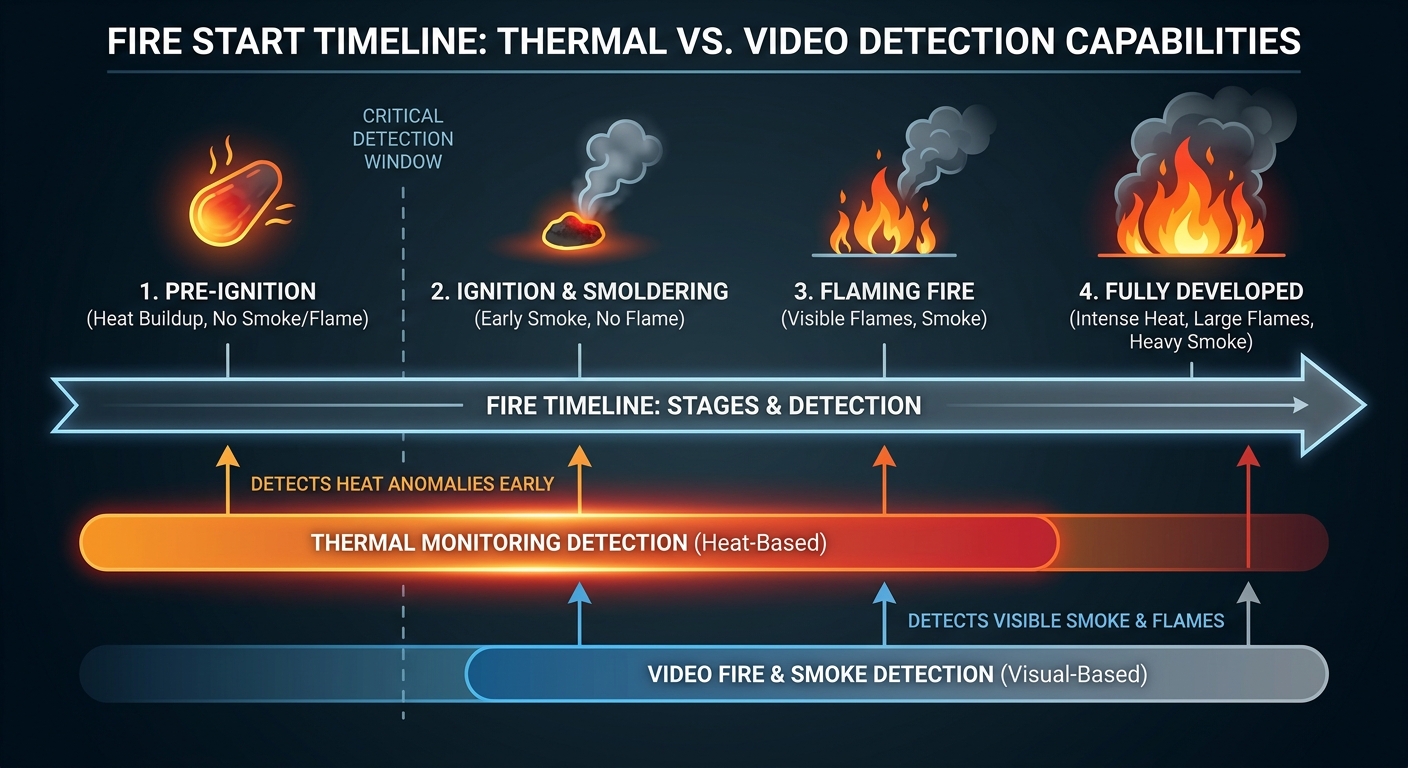
NFPA 72 and Thermal Cameras: The 2025 Code Changes Explained
For the first time, the U.S. fire alarm code has a name for a thermal camera that detects fire.
September 29, 2026
AVIAN Insights
Practical guidance from field deployments, reliability teams, and safety-first operations.
We'll send practical notes on industrial fire prevention, thermal monitoring, and customer learnings. No noise.
For the first time, the U.S. fire alarm code has a name for a thermal camera that detects fire.
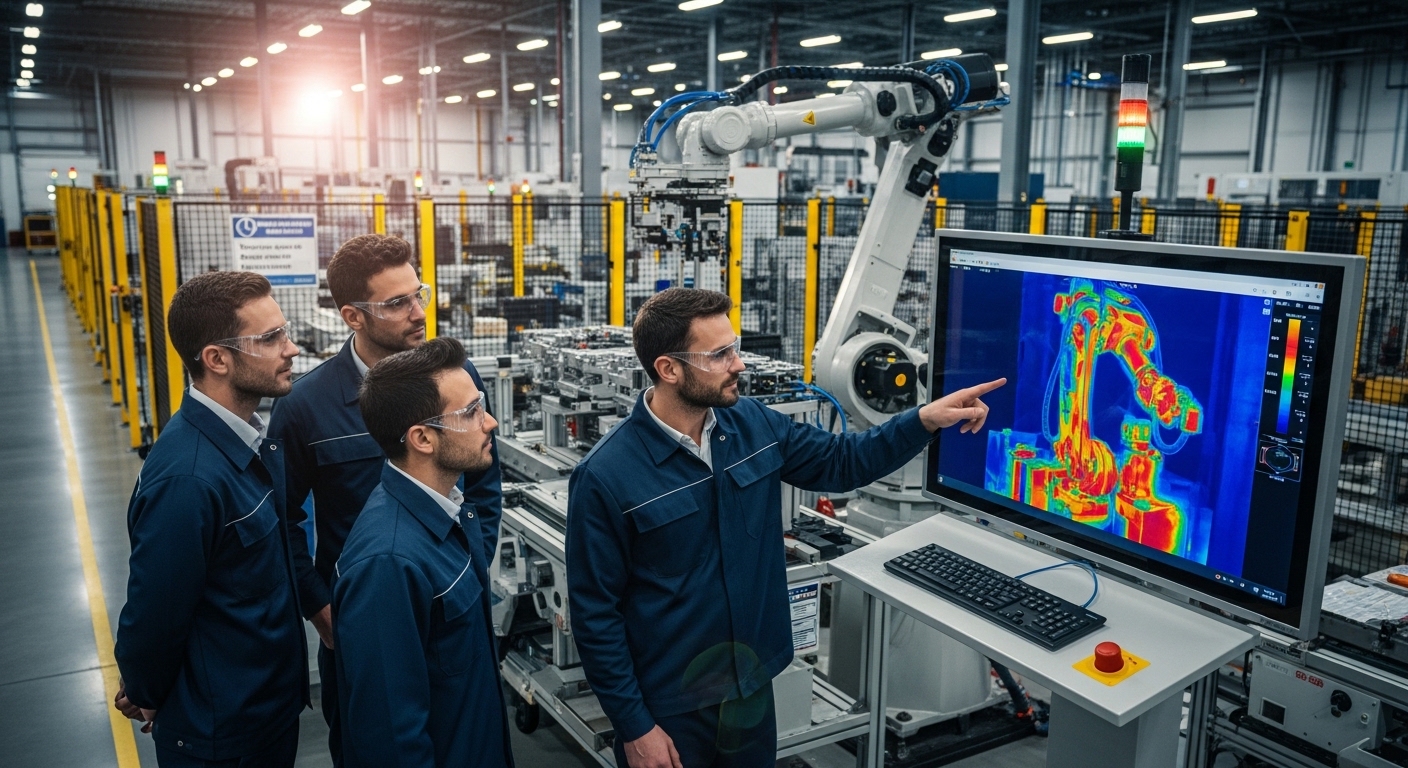
Industrial insurance is rarely simple.
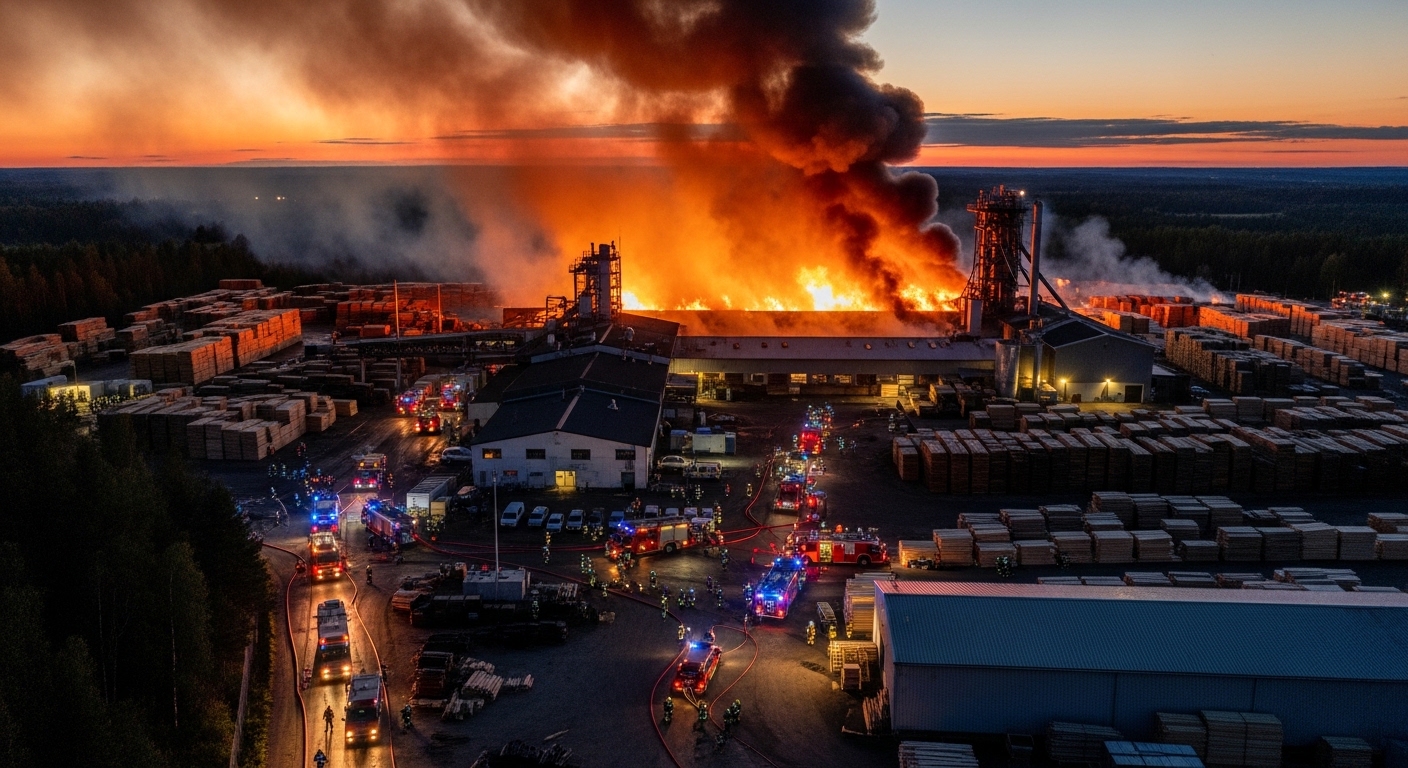
On May 15, 2026, a fire and explosion at Robbins Lumber in Searsmont, Maine, killed Morrill firefighter Andrew Cross and injured multiple workers and first responders. The incident became one of the clearest recent ex...
Fire Rover is a serious fire protection company.
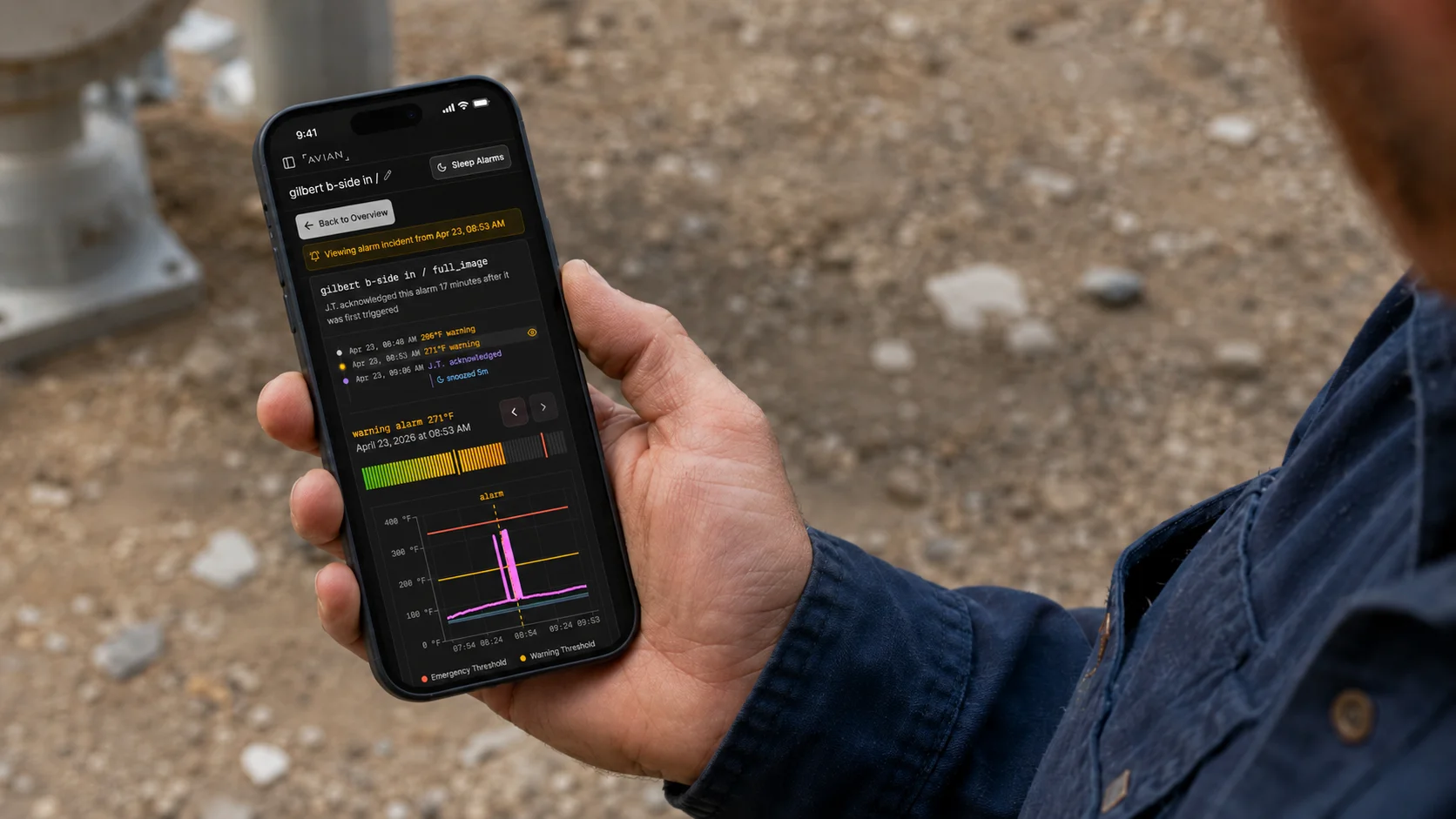
Remote thermal monitoring should feel like a working system, not a parts list.
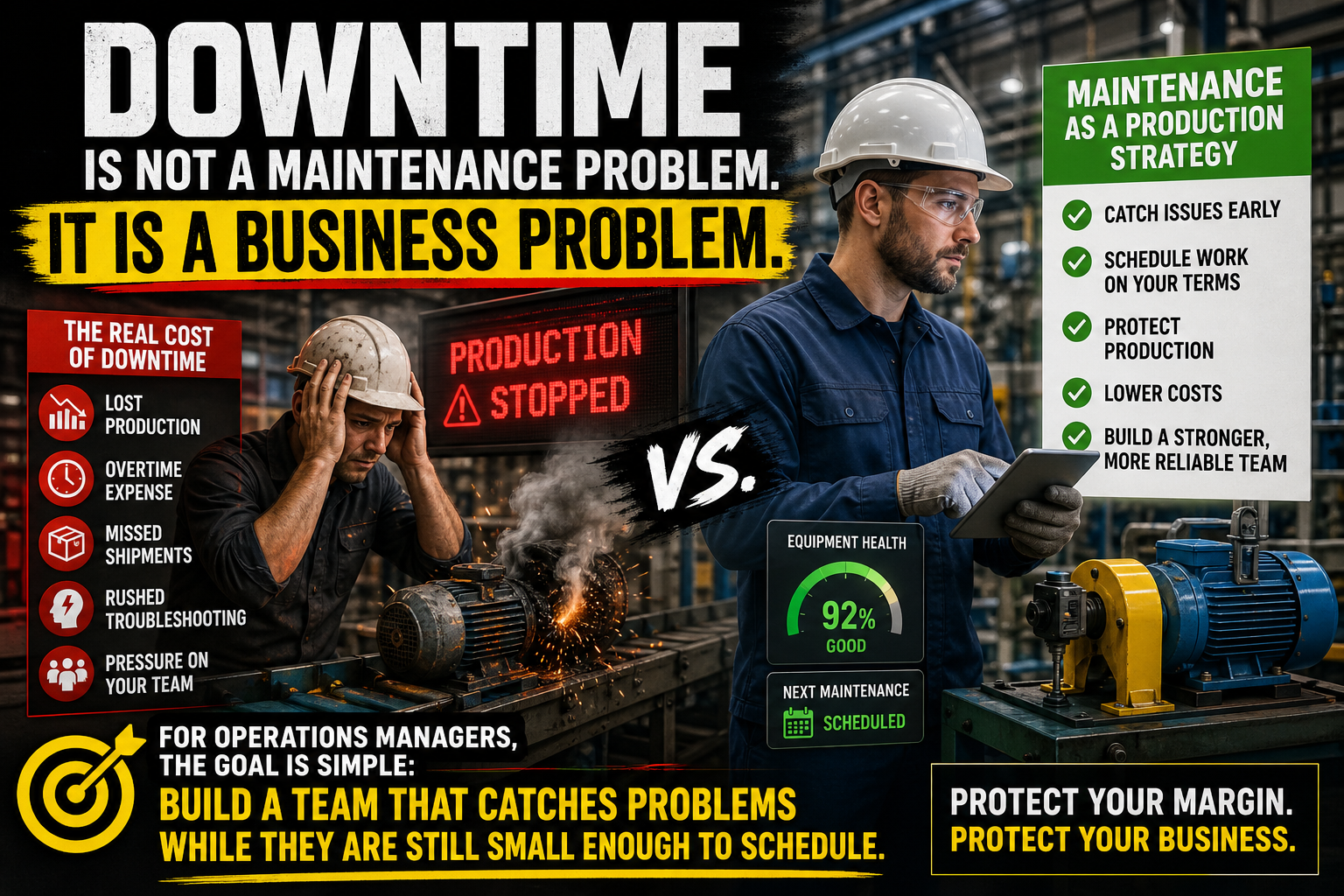
Downtime is not a maintenance problem. It is a business problem.
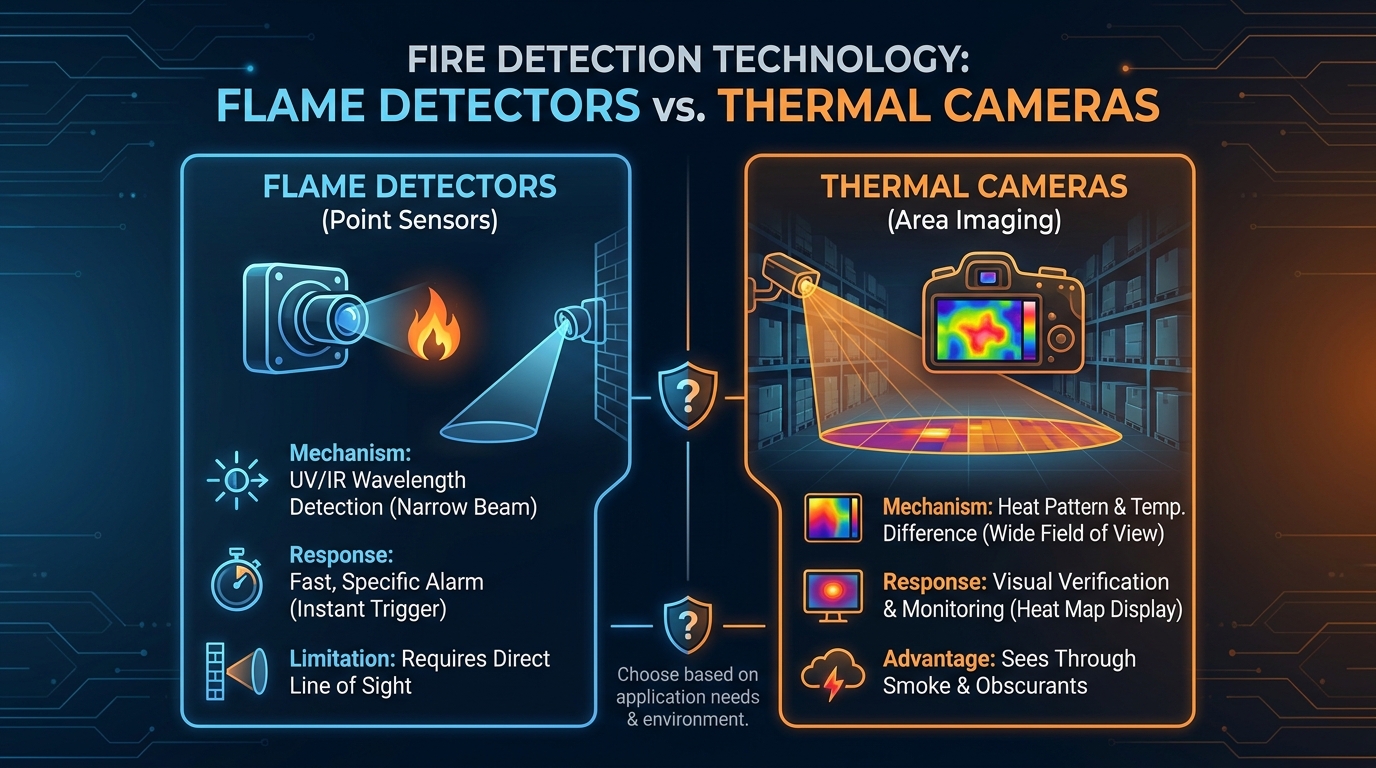
Flame detectors and thermal cameras are often compared because both use infrared energy to reduce fire risk.
A fire alarm camera can detect visible smoke or flame, or use thermal imaging to detect overheating. For a facility choosing a system in 2026, the starting point is the hazard: visible smoke, flame, or abnormal heat. ...
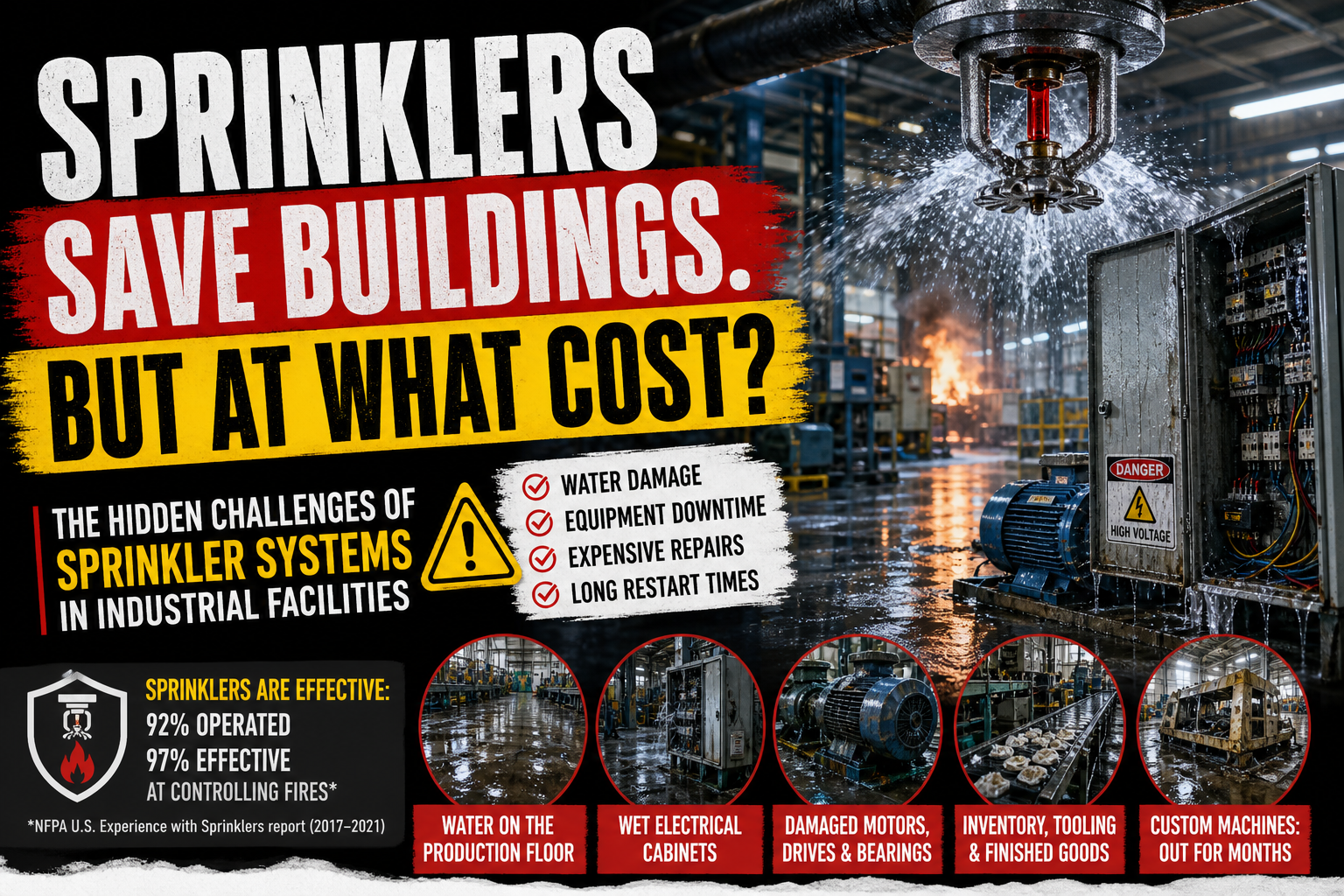
Most plant teams do not celebrate when a sprinkler system works.
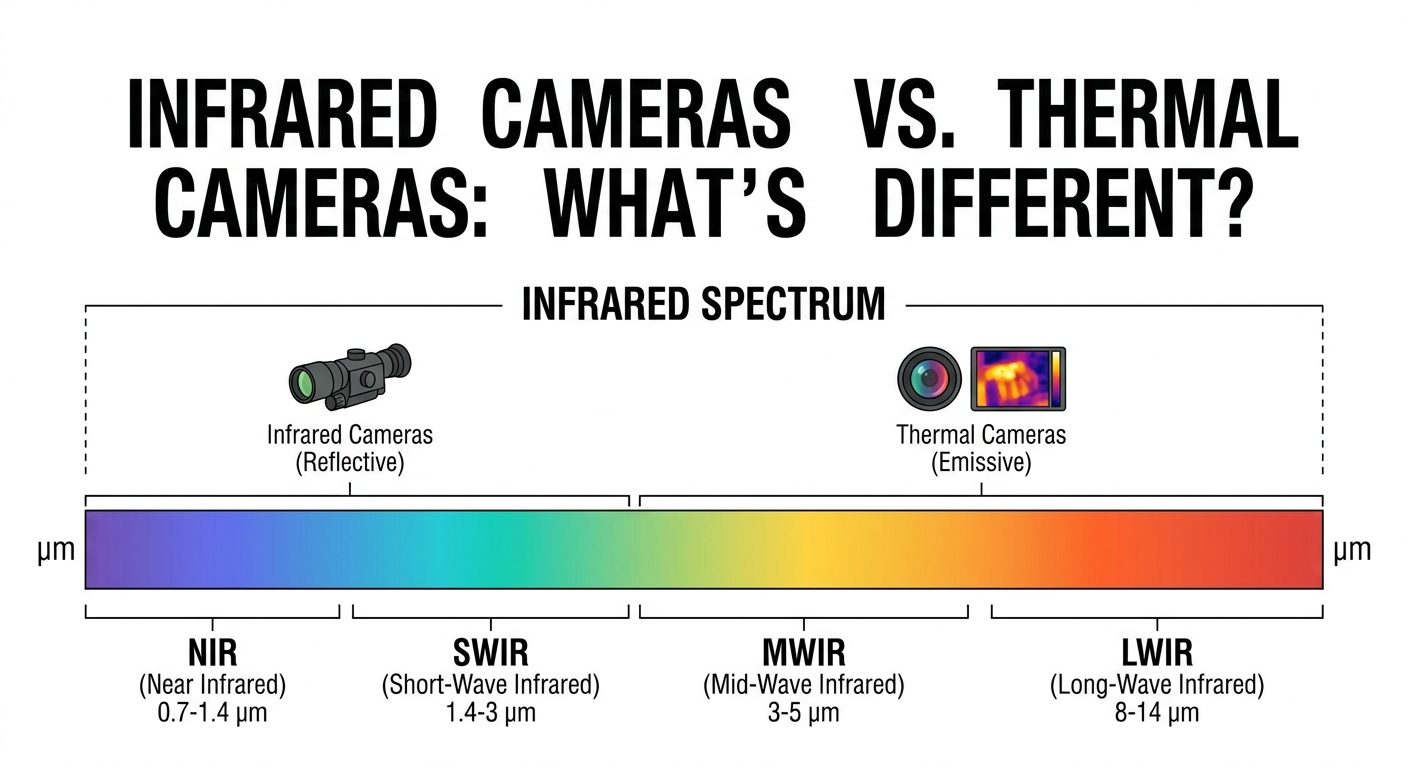
Yes, there is a difference between infrared cameras and thermal cameras, but the terms overlap.
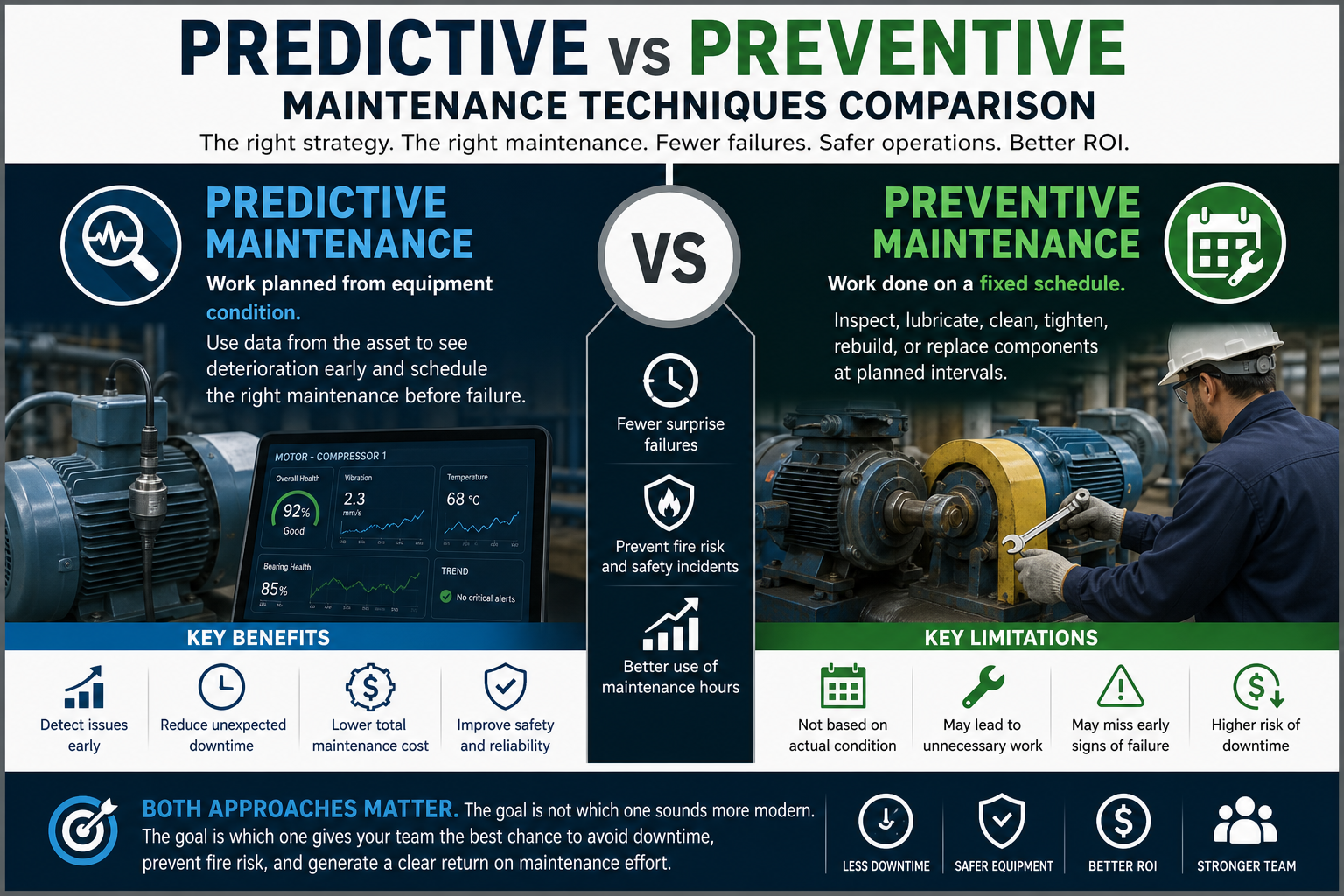
Most maintenance teams do not need a debate about buzzwords. They need fewer surprise failures, safer equipment, and a way to spend maintenance hours where they actually matter.
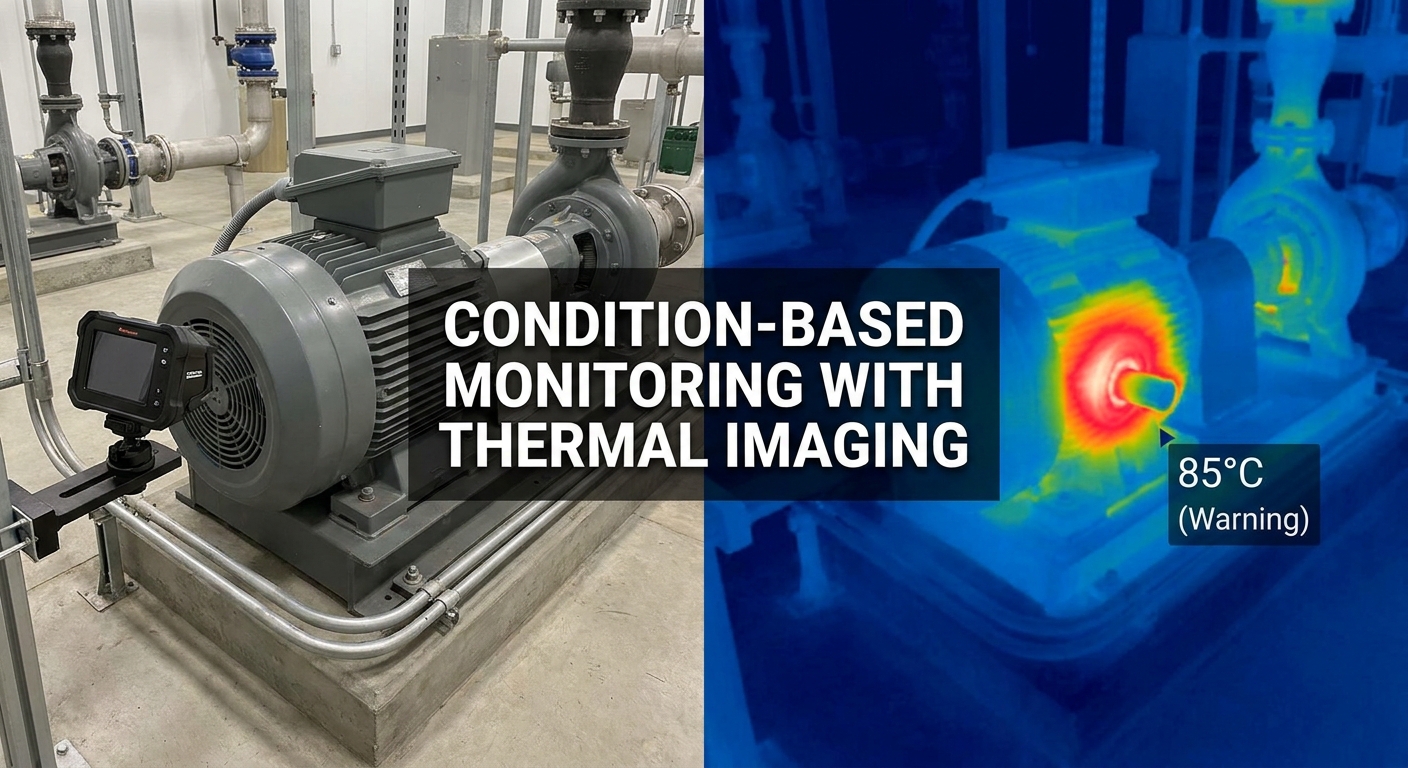
The benefits of condition monitoring are simple: fewer surprise failures, less emergency maintenance, safer equipment, better planning, and more uptime from the assets your operation already owns.
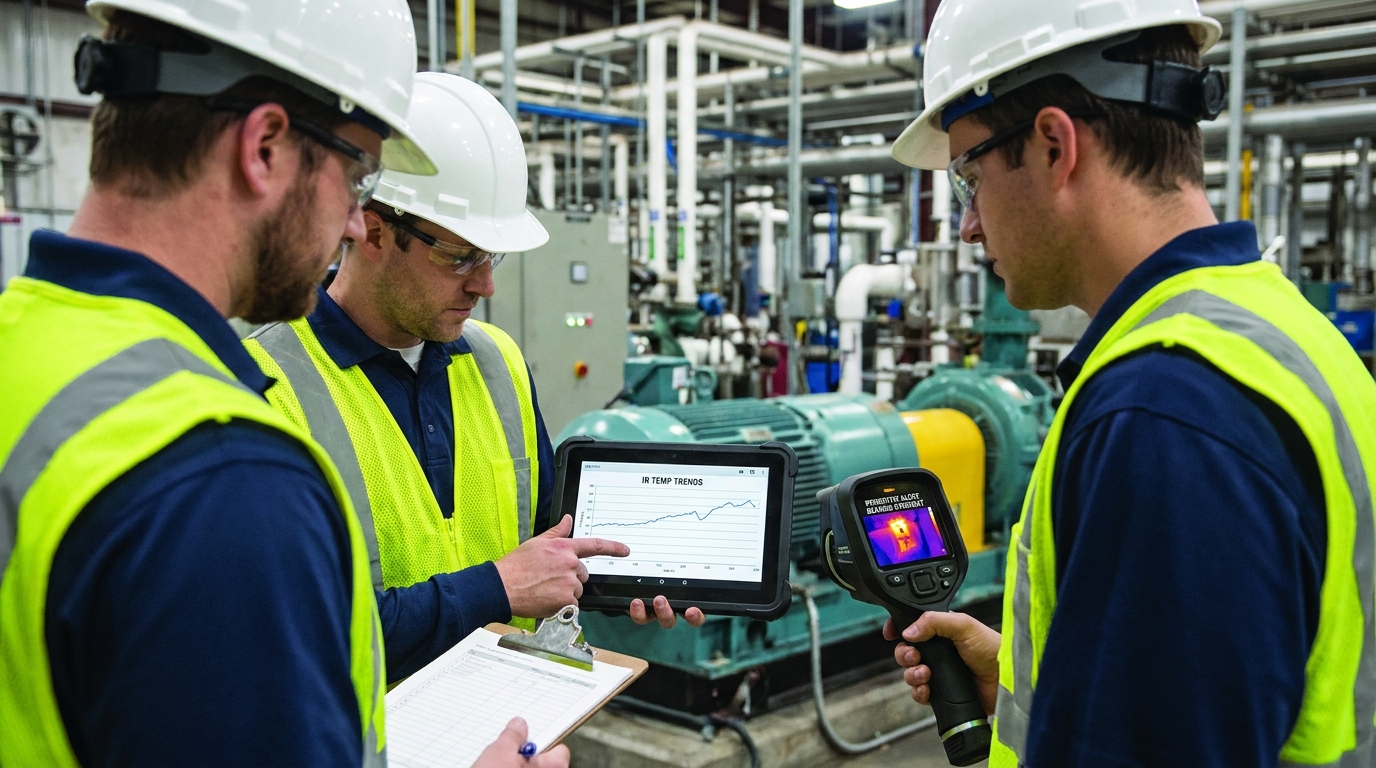
Conditionbased maintenance and predictive maintenance are closely related, but they are not the same thing.
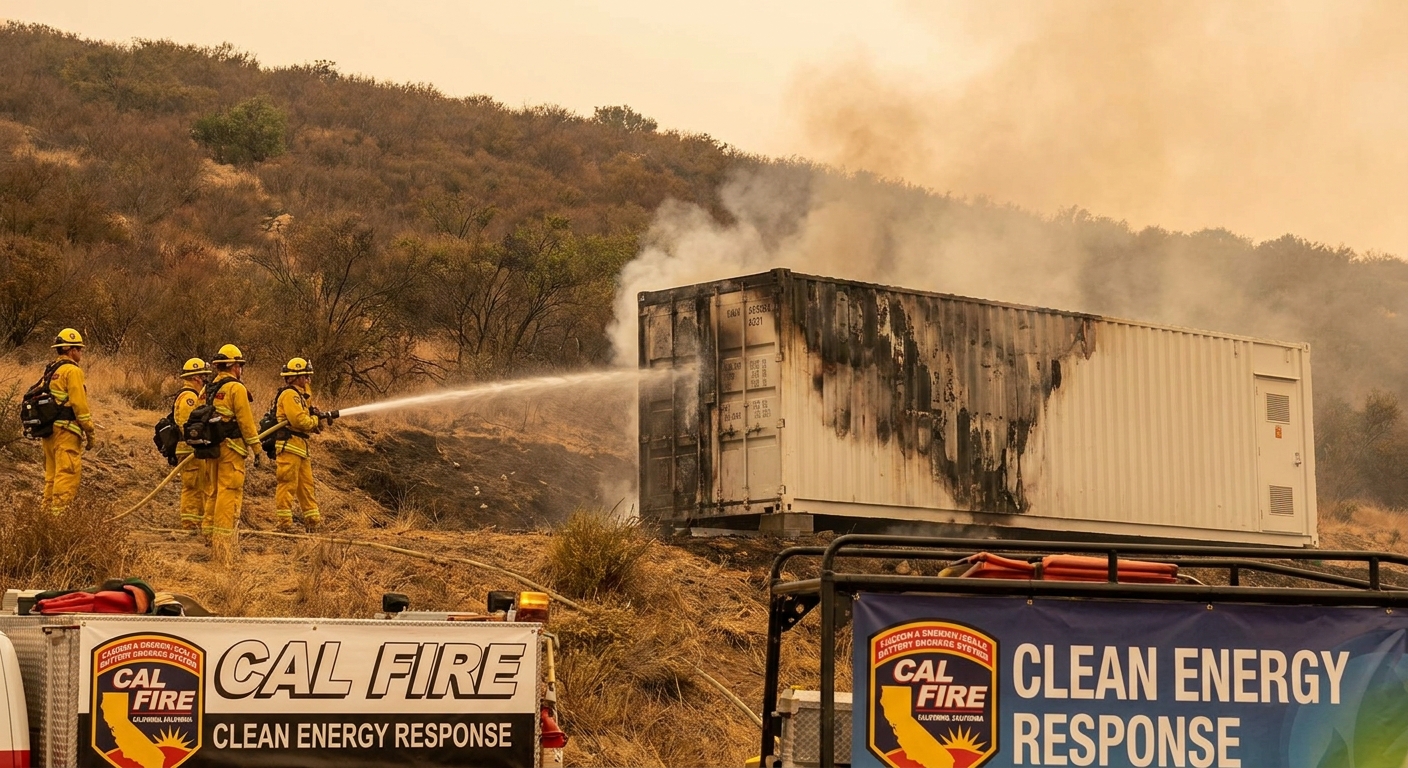
Battery energy storage systems are built to hold a lot of energy in a small footprint. That is what makes them useful. It is also what makes monitoring important.
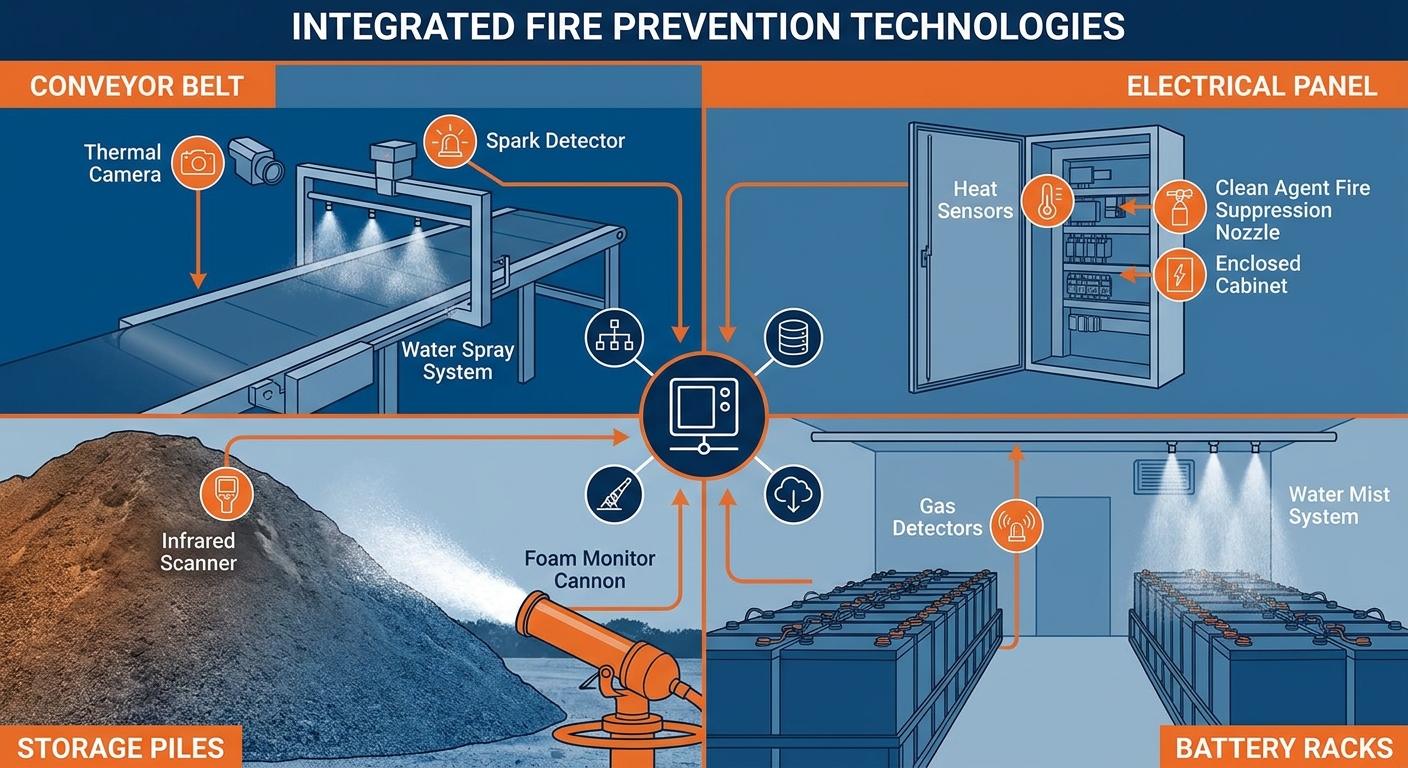
Industrial fire prevention is not one technology. It is a stack of signals.
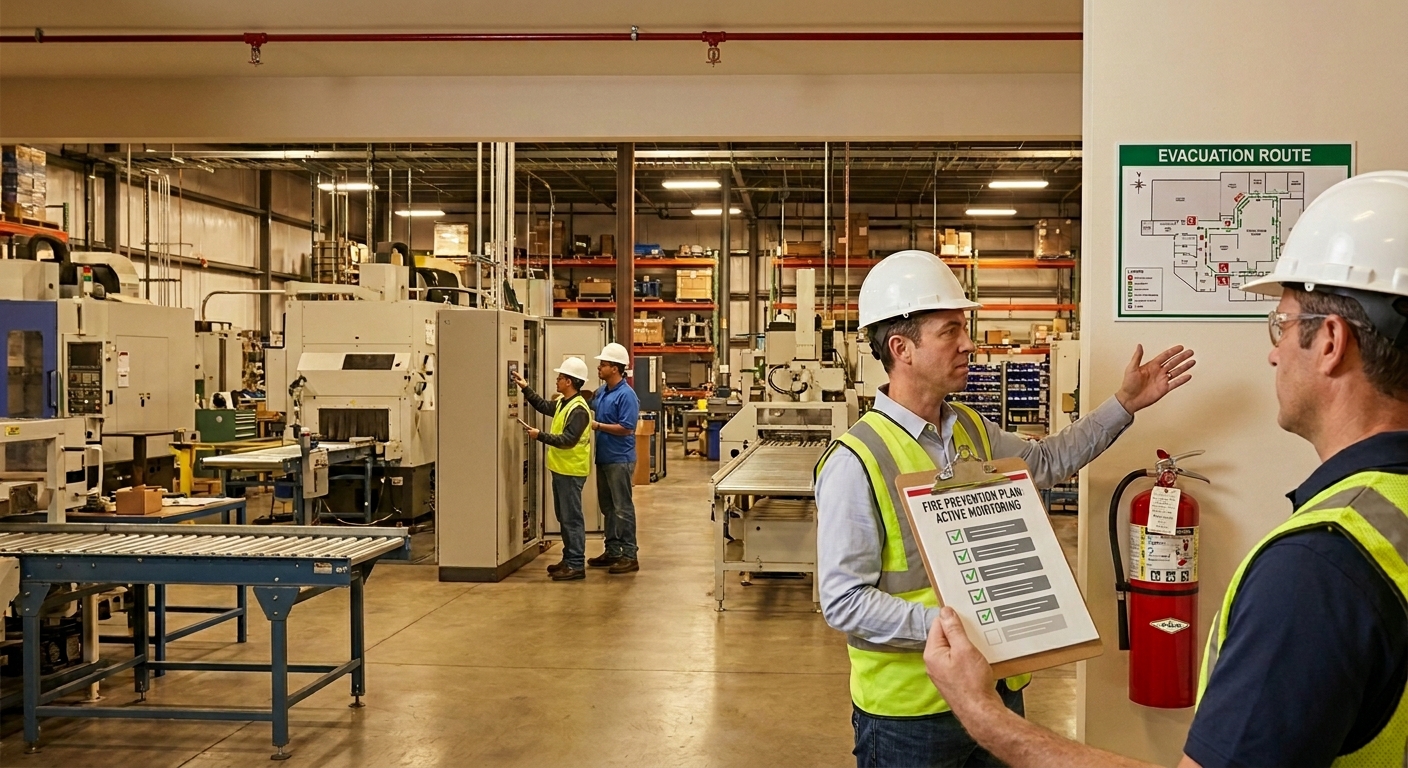
A fire prevention plan benefits your workplace by turning fire safety from a reaction into a controlled operating system. It identifies where fires are most likely to start, defines who is responsible for reducing tho...
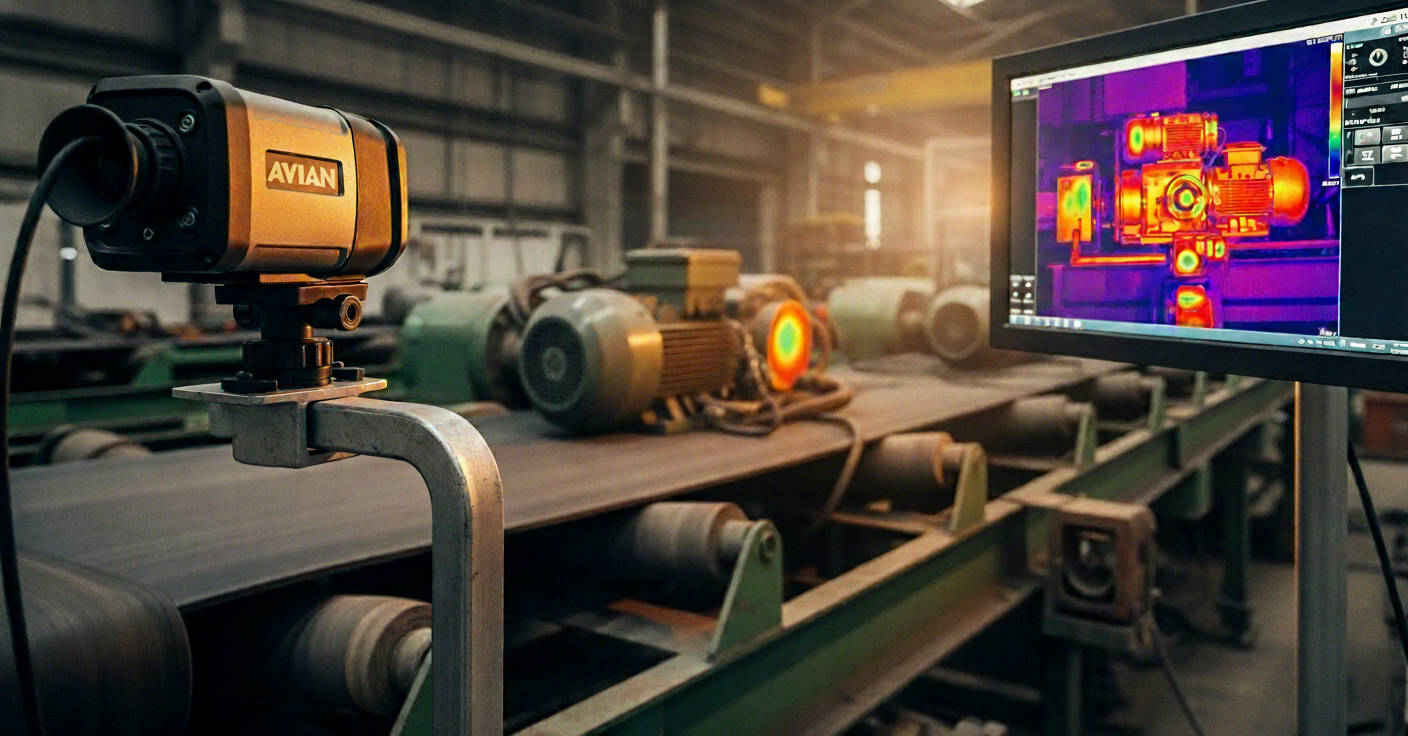
Most industrial equipment fails the same way. It runs hot before it stops.
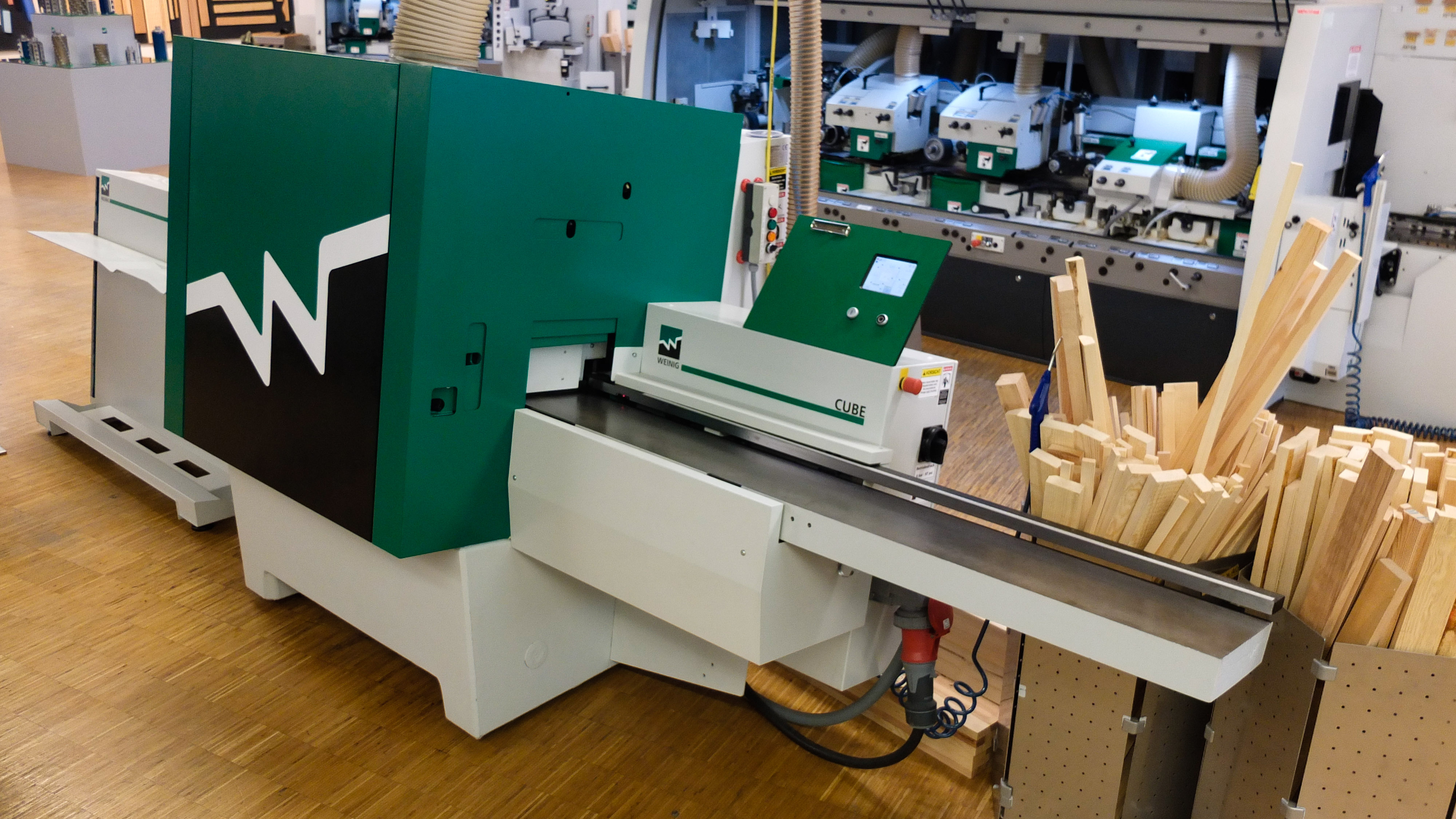
Every new planerman makes the same mistakes. The machine doesn't care how eager you are or how badly your supervisor needs board feet. It will punish bad habits the same way every time: loud, expensive, and in the mid...
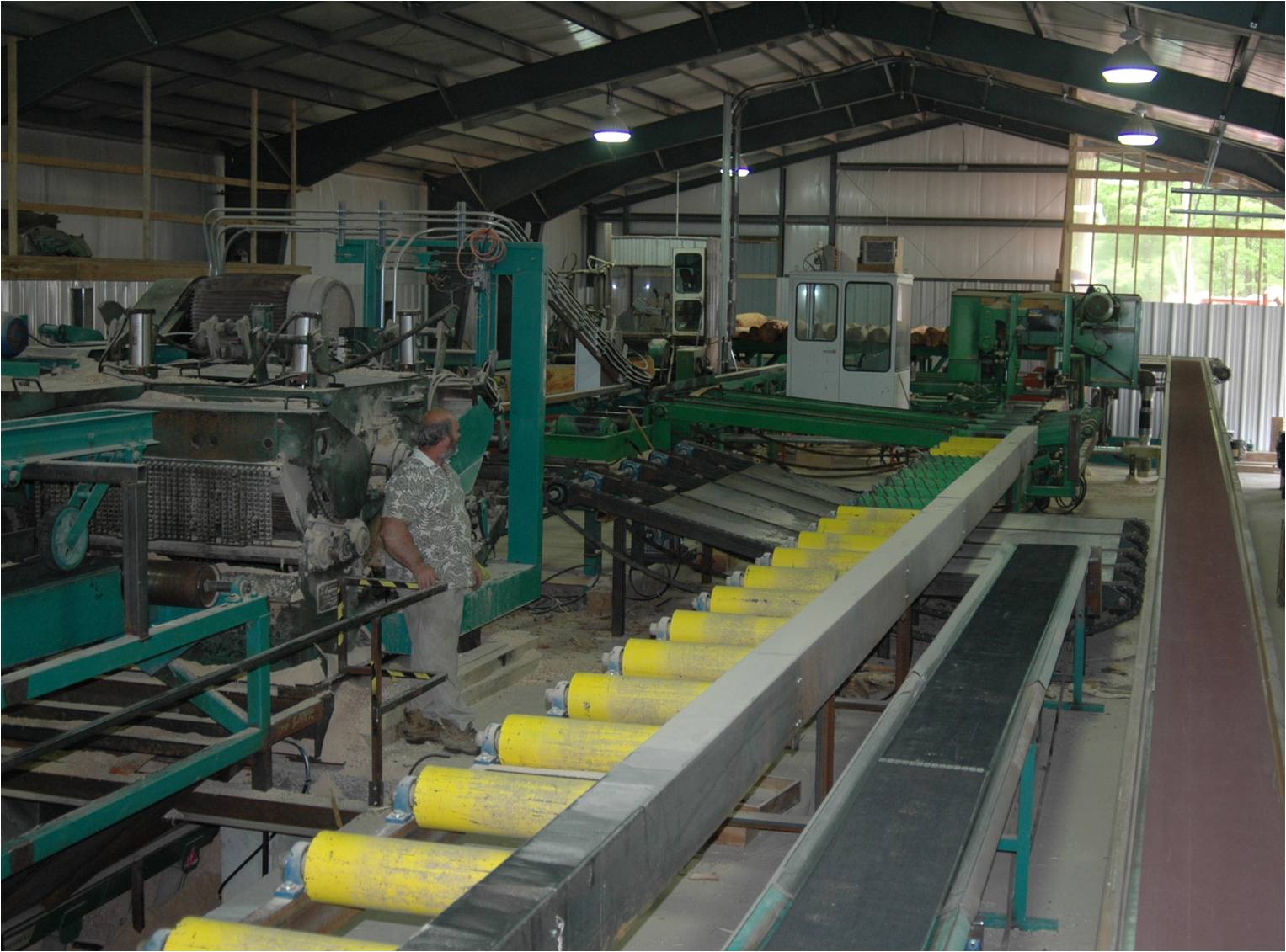
We've watched a lot of sawmills go down. Not all at once. Usually one piece of equipment at a time, in ways that were entirely predictable.
Everything gives off heat. Your hand. A running motor. A bearing that's about to fail.
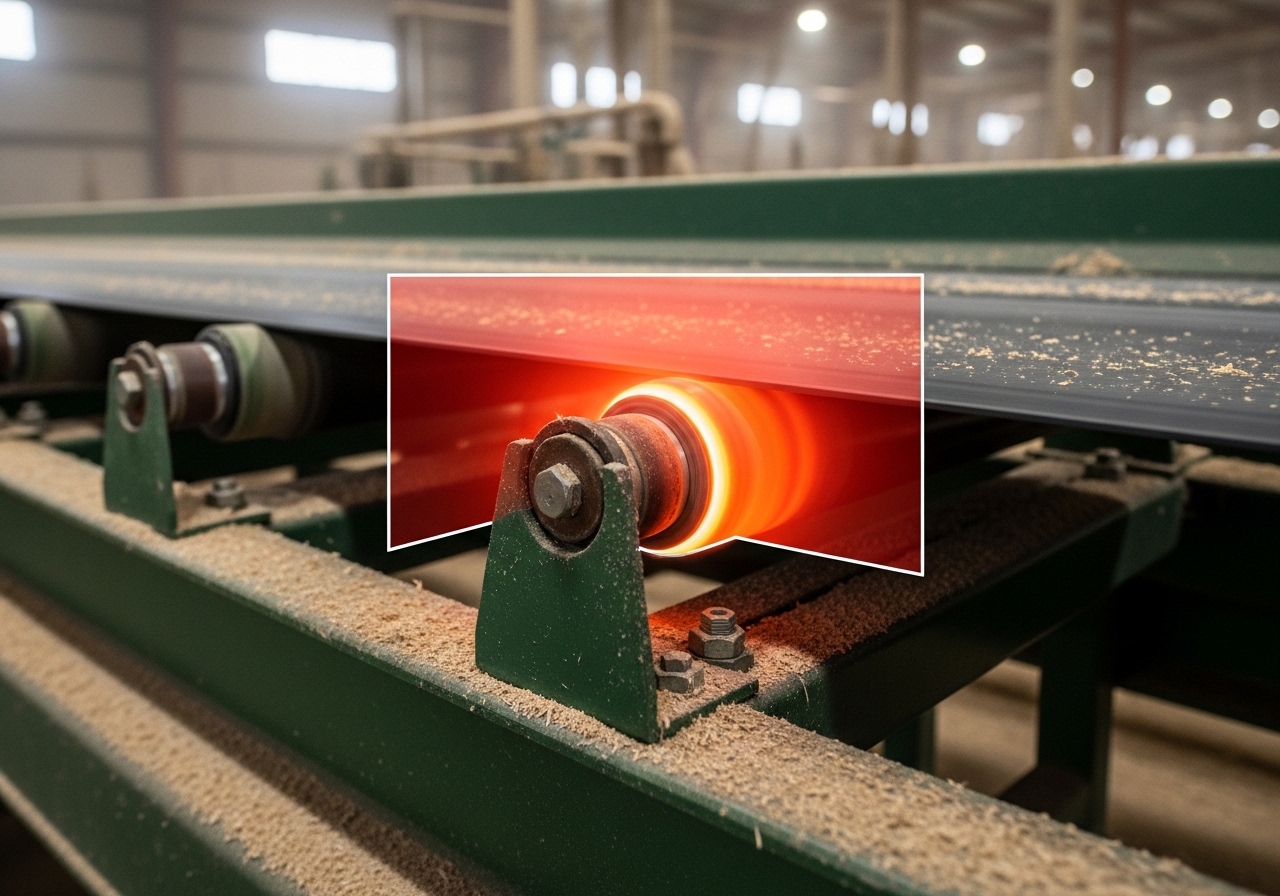
A belt that walks offcenter does not fail all at once. It rubs. Idlers run hot. The edge wears. Then you are buying new belting, paying overtime, and explaining lost output to the people upstairs.
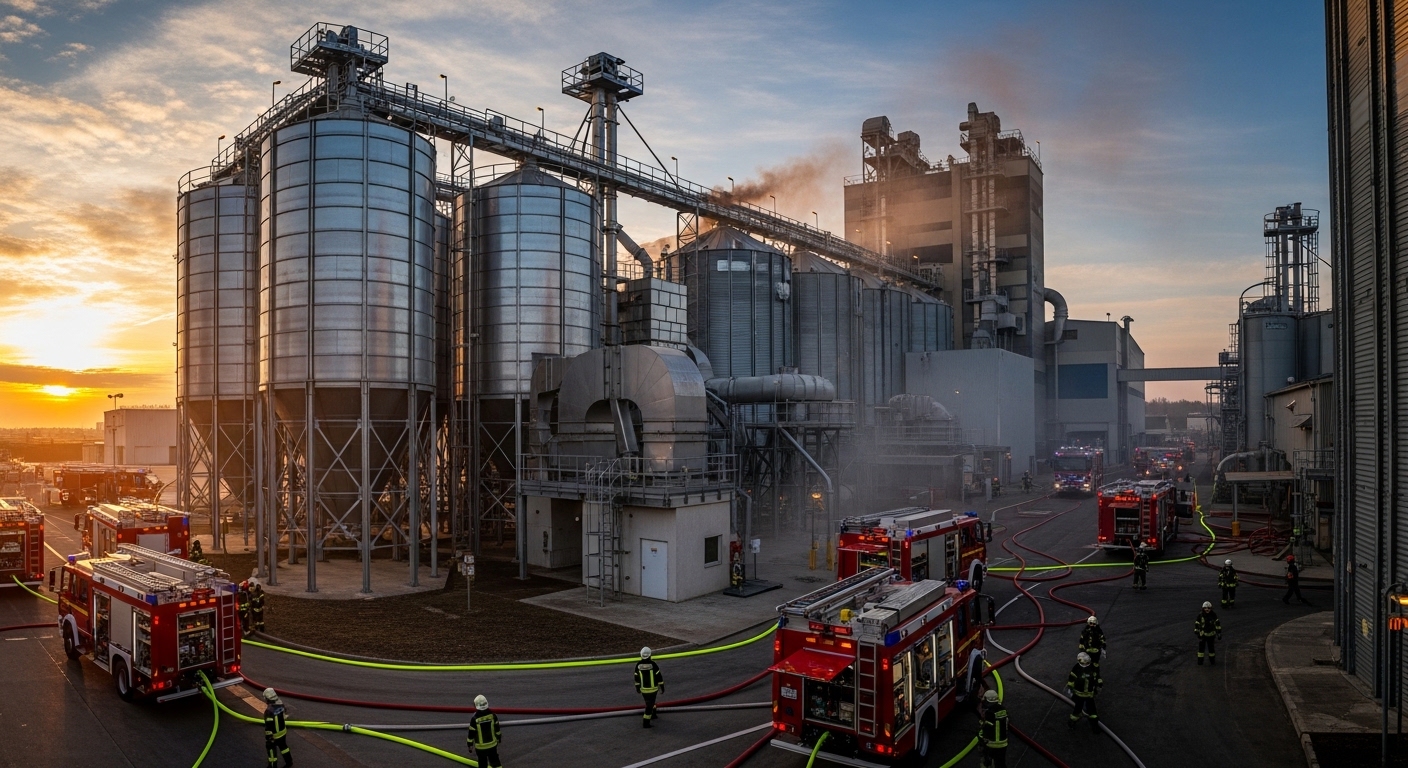
Three days ago, Weyerhaeuser's MDF plant in Columbia Falls, Montana was shaken by another explosion. It happened at 6:40 a.m. on April 4, 2026. Heavy smoke poured from the west side of the building. Five fire departme...
A sawmill burns somewhere in North America every 4.5 days.
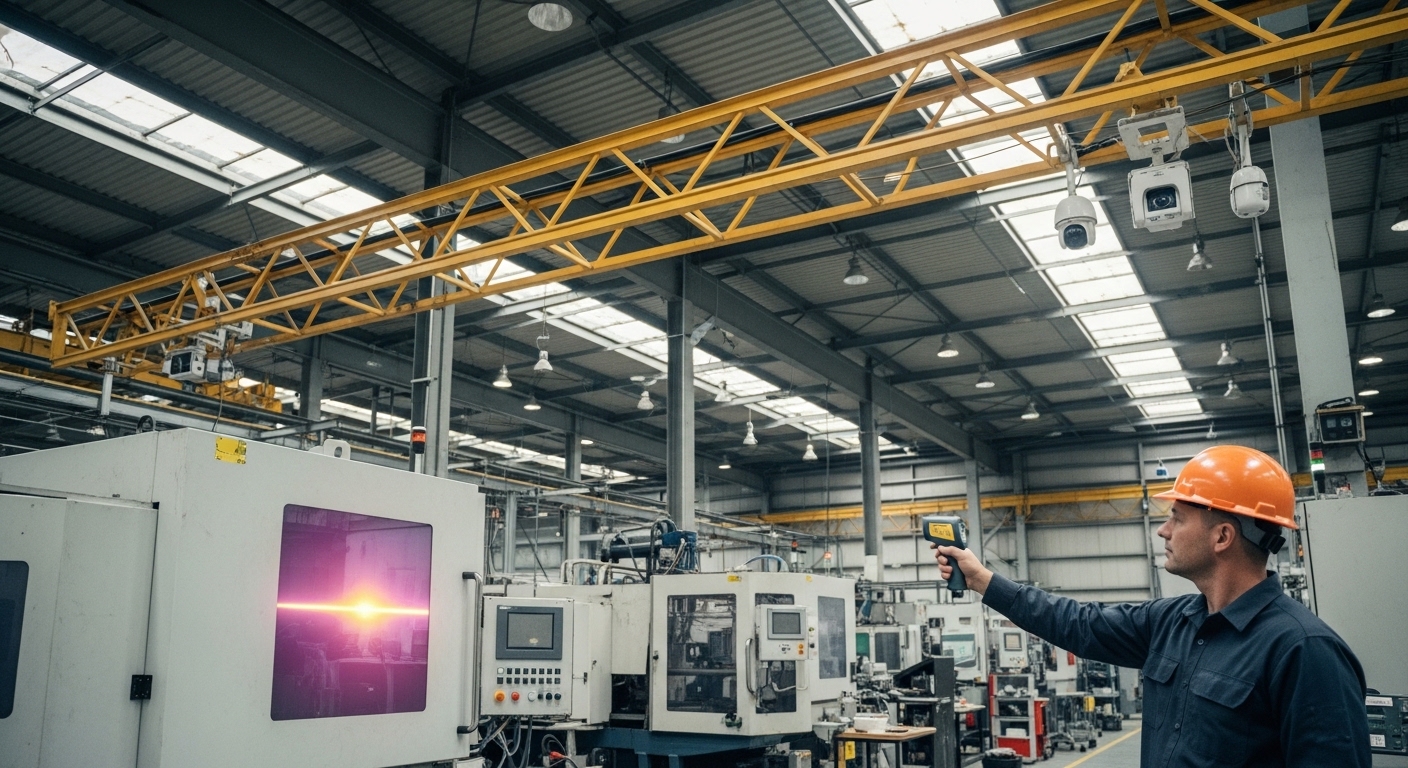
"We already have thermal cameras."
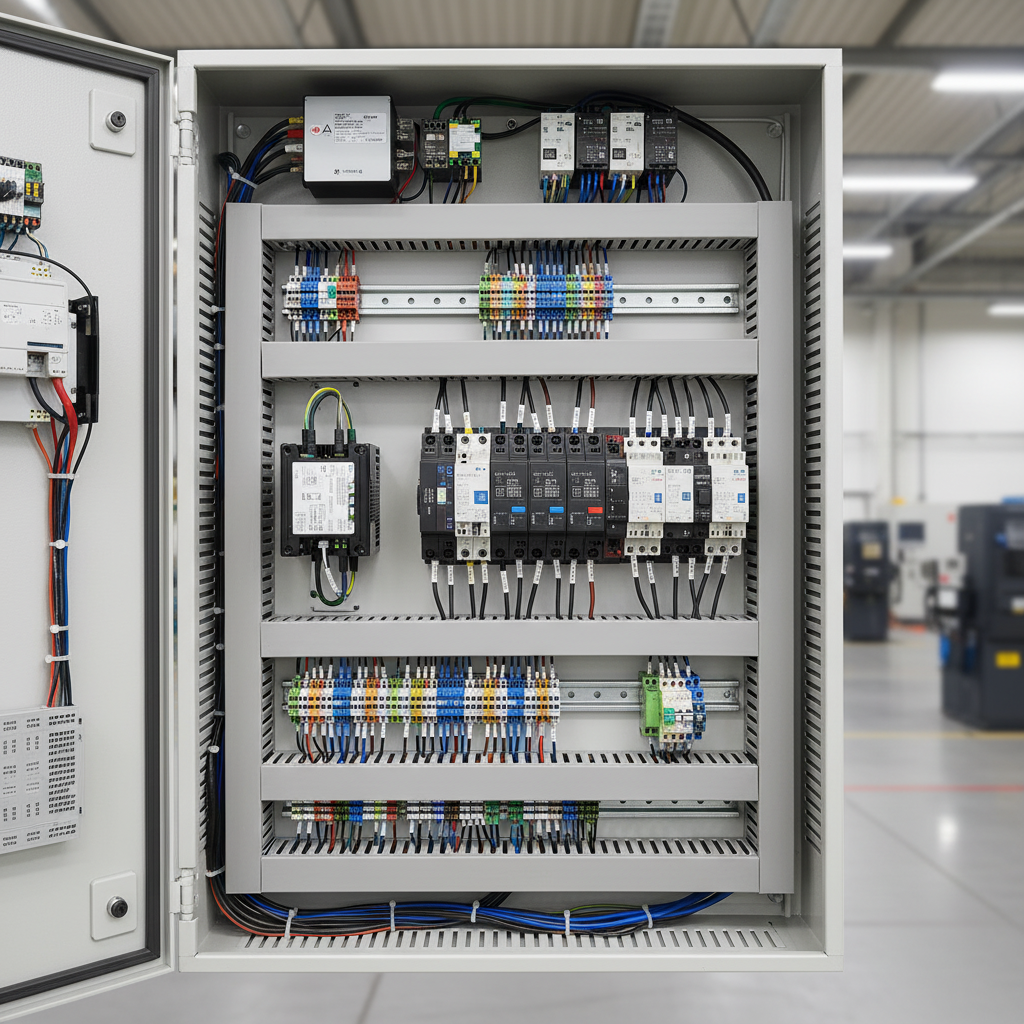
"We already have FLIR."
Most autostop conversations start in the wrong place.
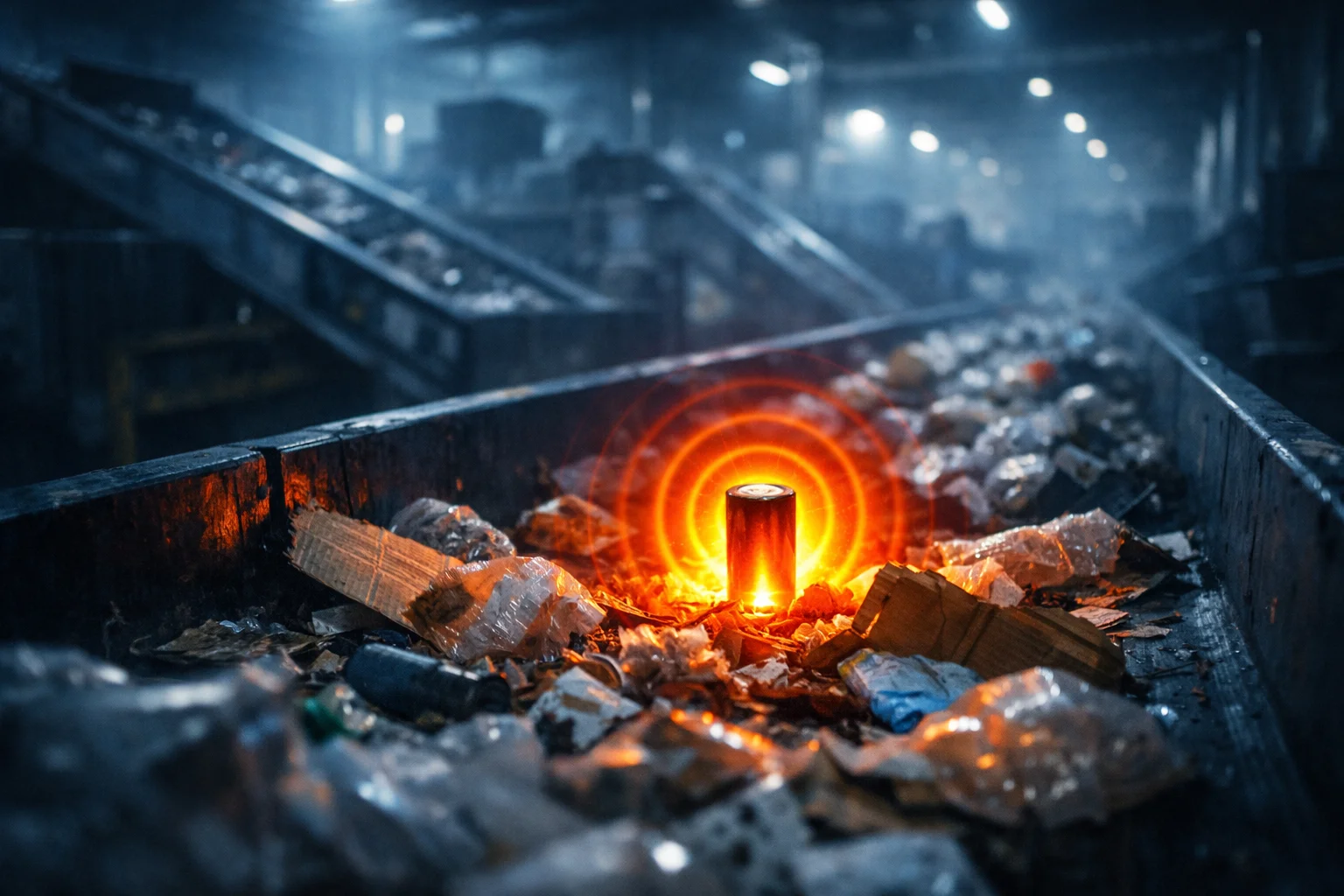
There's a fire burning at a recycling facility right now. Statistically, there's probably several.
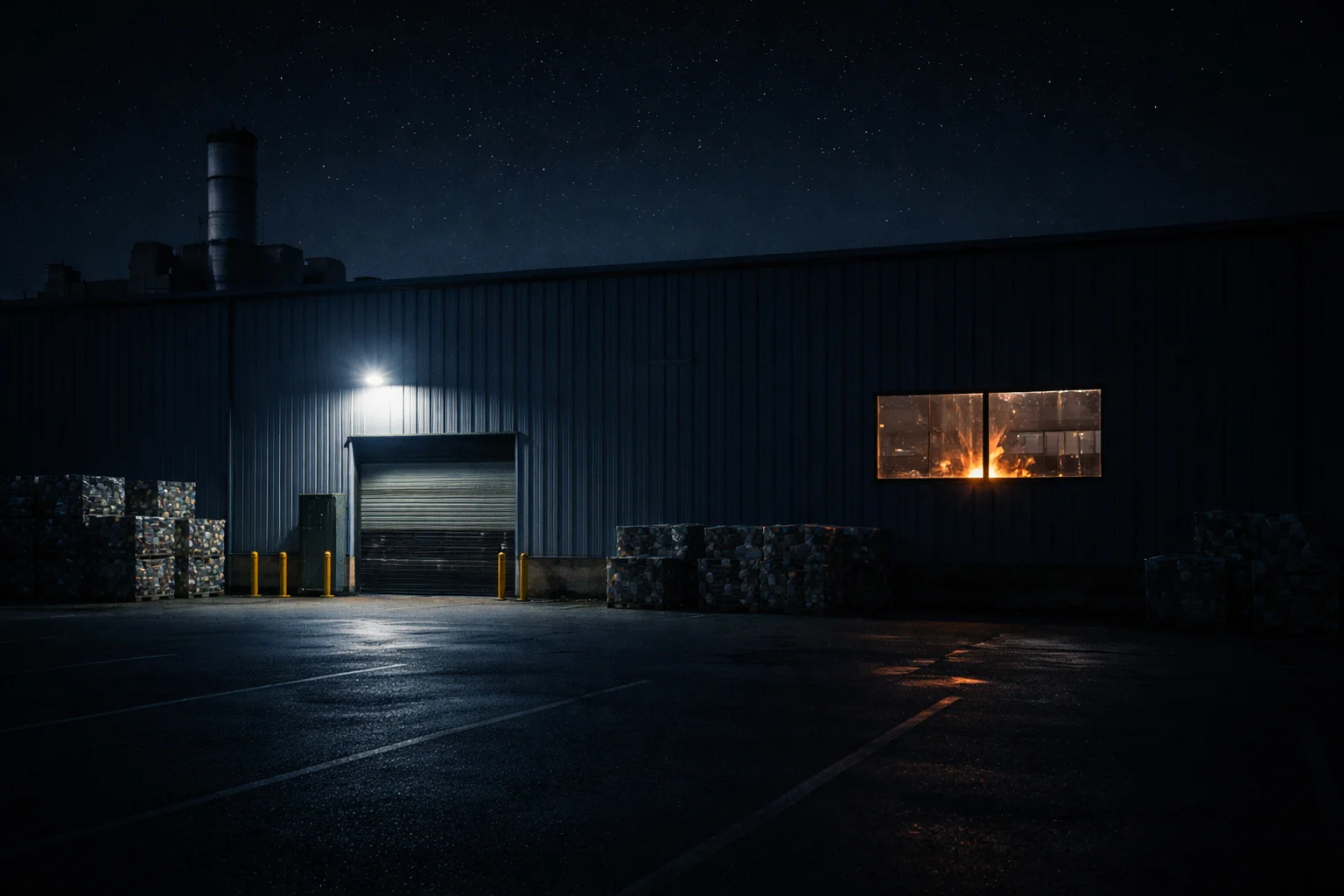
The most dangerous hours at your facility are the ones where nobody is watching.
Every mill manager knows downtime is expensive. But most underestimate just how expensive.
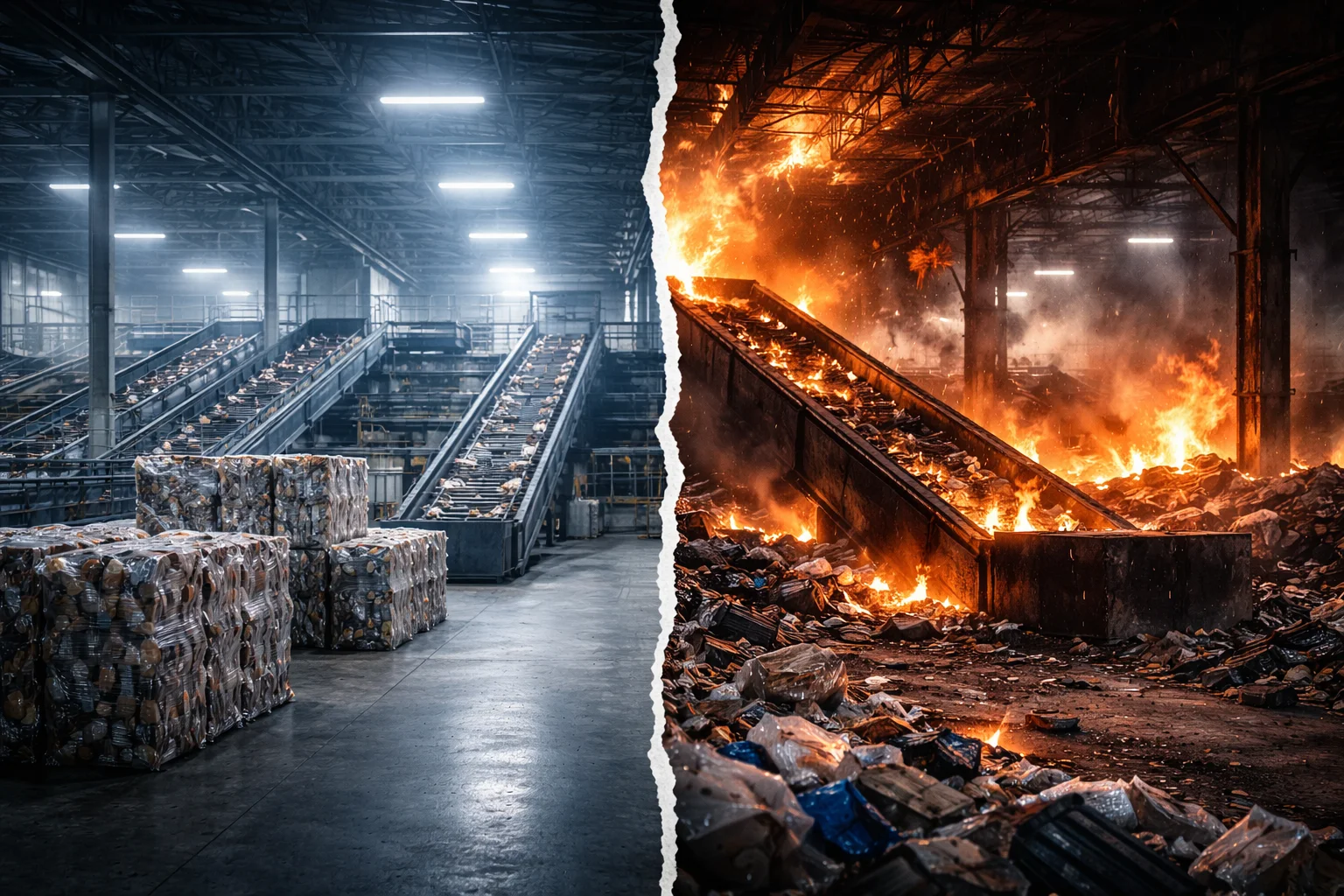
If you run a recycling or waste processing facility, your insurance renewal letter has probably given you a heart attack recently.
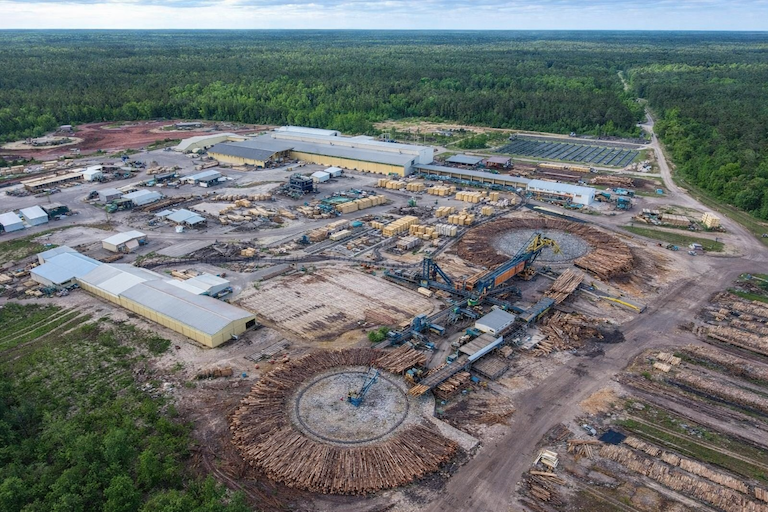
If you're looking into thermal monitoring for your facility, you've probably come across FLIR. They're the biggest name in thermal imaging, and for good reason. They make excellent cameras.
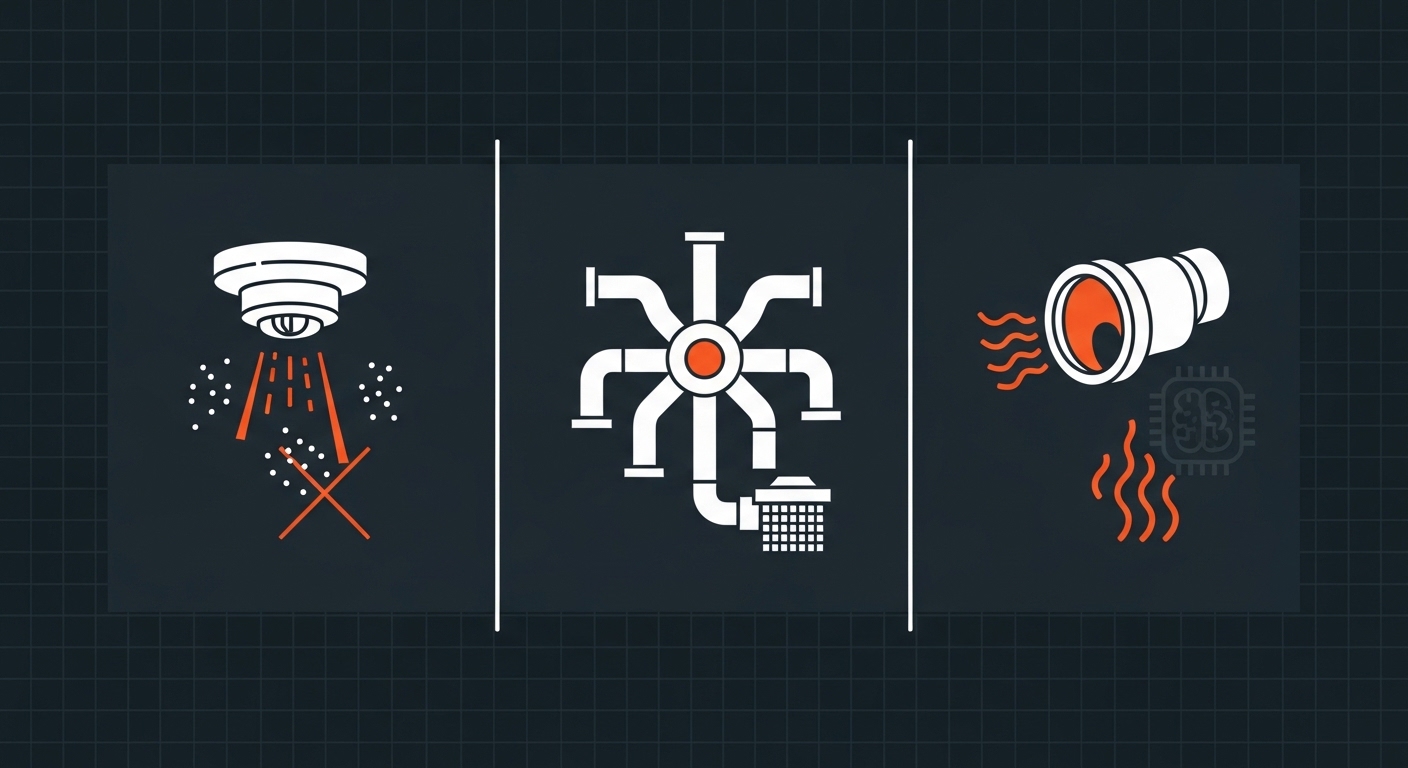
Smoke detectors save lives. In a clean office, they do exactly what you expect.
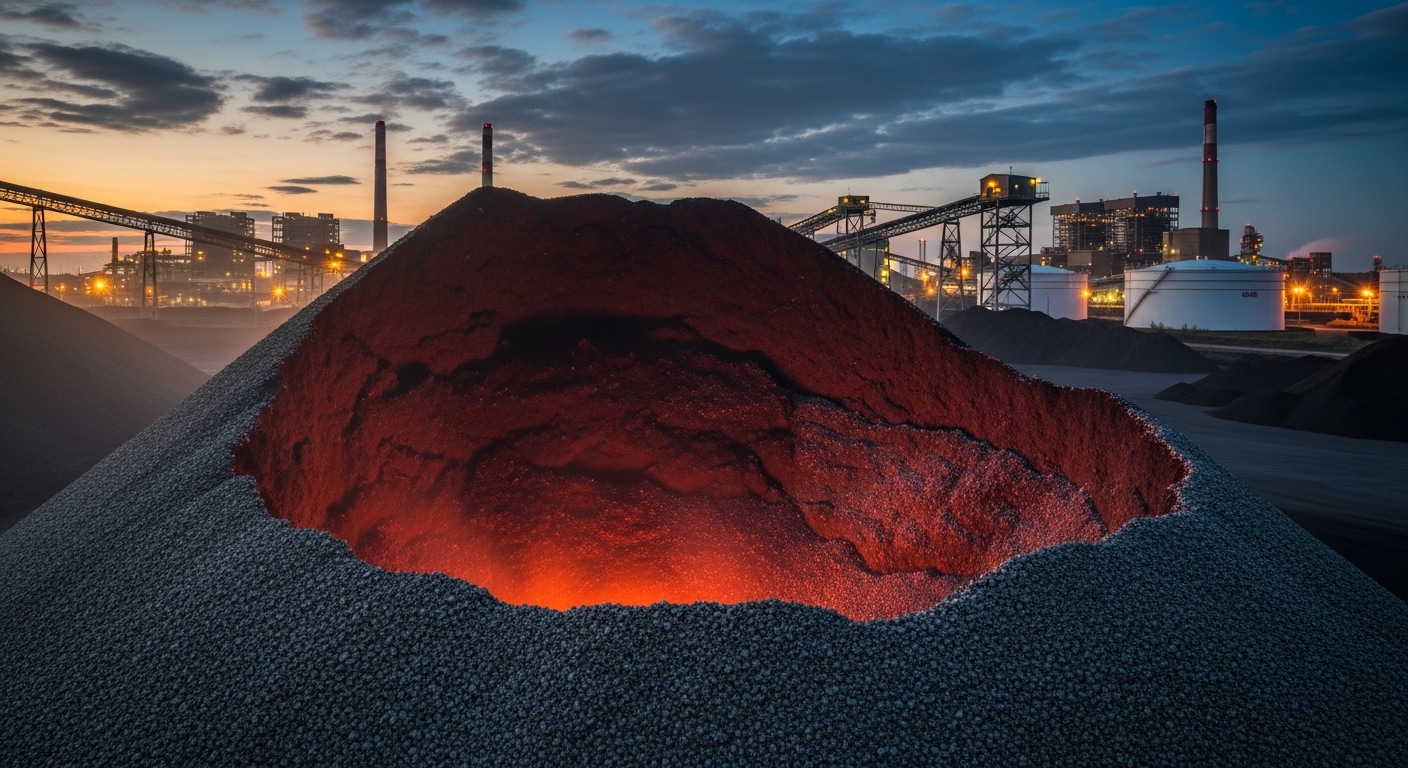
By the time you see smoke, you're already behind.
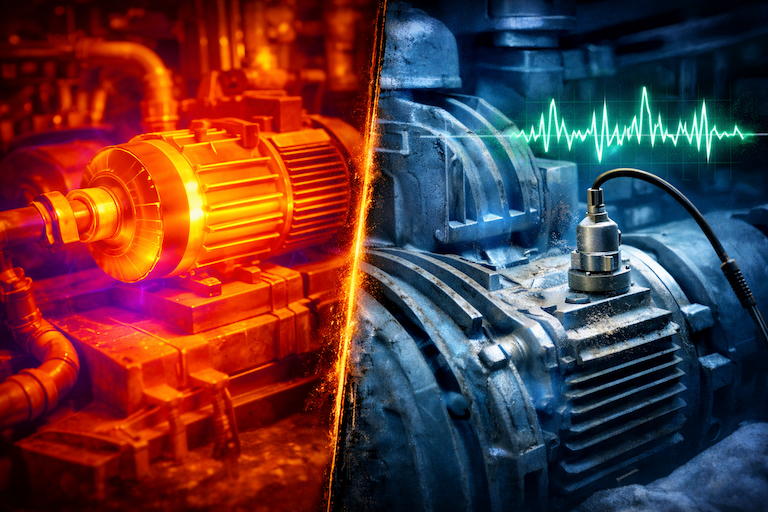
Vibration monitoring has been the standard for predictive maintenance in heavy industry for decades. Companies like Waites and AssetWatch have built strong businesses around it. Attach a sensor to a motor. Measure vib...
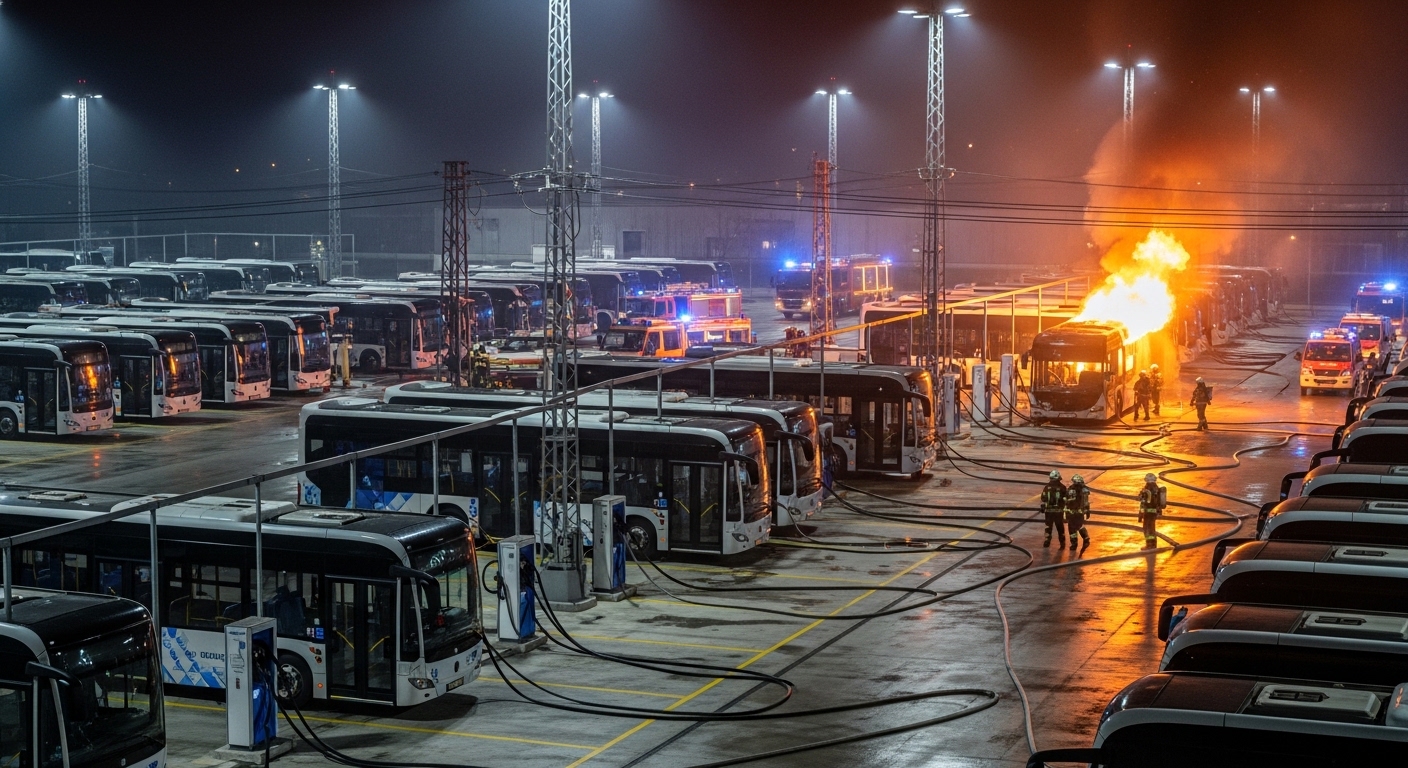
On June 5, 2025, a fire broke out at a Philadelphia bus yard before sunrise. By the time crews had it under control, 40 buses were damaged and 16 were destroyed. It took 150 firefighters. The cause: a lithiumion batte...
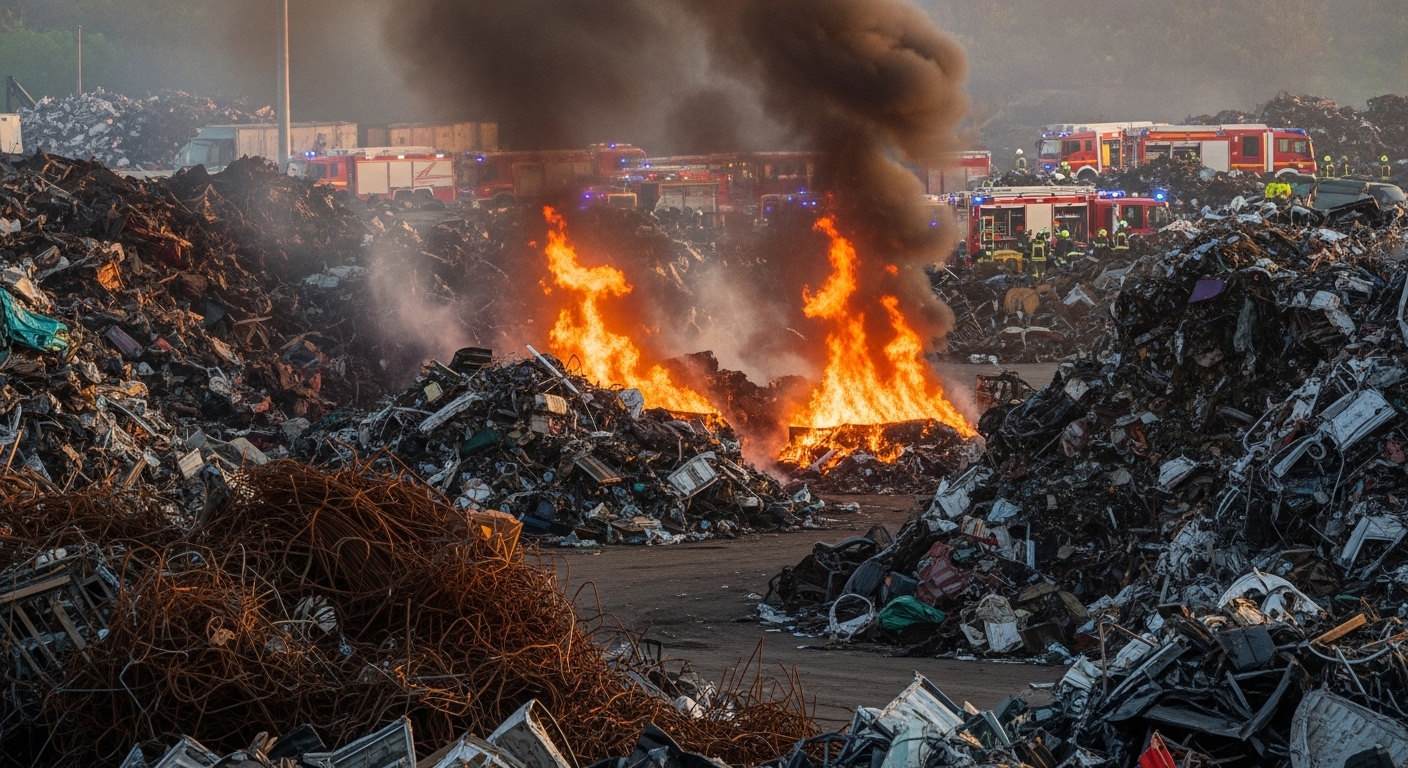
Scrap metal is supposed to be inert. It's metal. It doesn't burn.
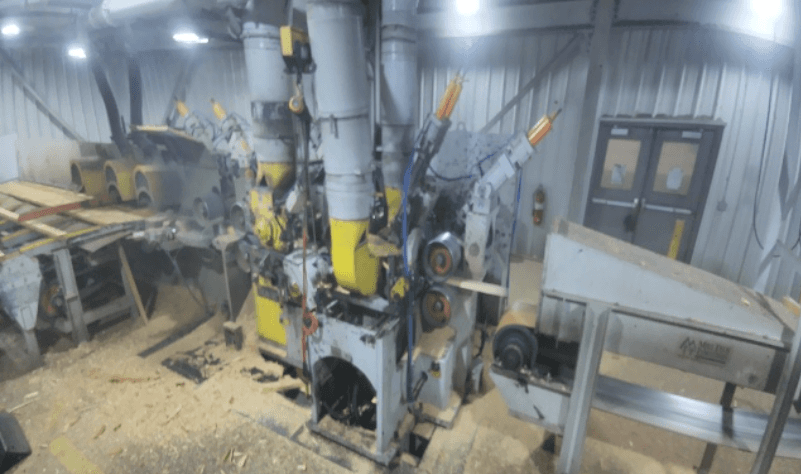
Anyone who runs a Gilbert planer knows that when they are dialed in, there is no other system like it on the planet. Production output, feed rates, and quality are essentially unmatched.
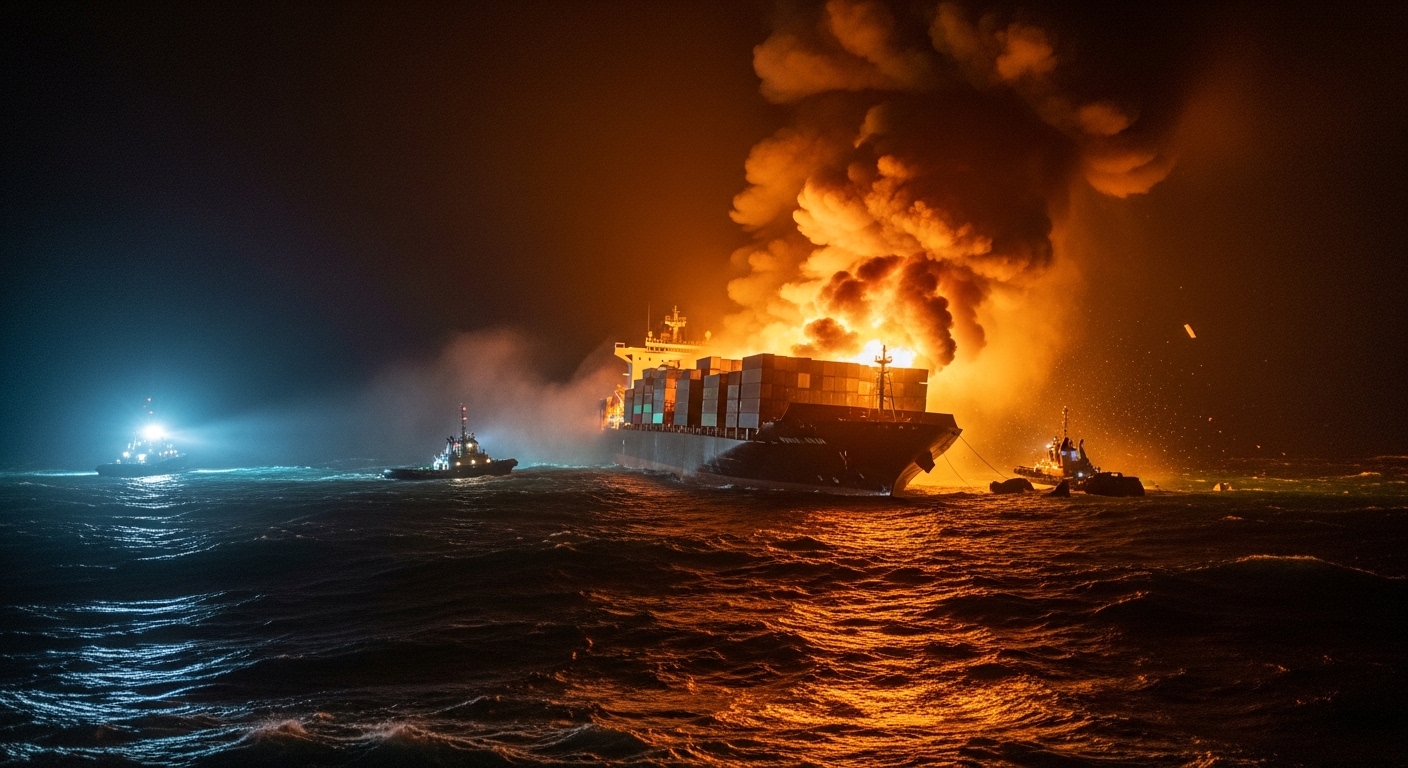
A serious fire erupts on a container ship every nine days.
AVIAN Insights
Practical guidance from field deployments, reliability teams, and safety-first operations.
We'll send practical notes on industrial fire prevention, thermal monitoring, and customer learnings. No noise.
For the first time, the U.S. fire alarm code has a name for a thermal camera that detects fire.
Industrial insurance is rarely simple.
On May 15, 2026, a fire and explosion at Robbins Lumber in Searsmont, Maine, killed Morrill firefighter Andrew Cross and injured multiple workers and first responders. The incident became one of the clearest recent ex...
Fire Rover is a serious fire protection company.
Remote thermal monitoring should feel like a working system, not a parts list.
Downtime is not a maintenance problem. It is a business problem.
Flame detectors and thermal cameras are often compared because both use infrared energy to reduce fire risk.
A fire alarm camera can detect visible smoke or flame, or use thermal imaging to detect overheating. For a facility choosing a system in 2026, the starting point is the hazard: visible smoke, flame, or abnormal heat. ...
Most plant teams do not celebrate when a sprinkler system works.
Yes, there is a difference between infrared cameras and thermal cameras, but the terms overlap.
Most maintenance teams do not need a debate about buzzwords. They need fewer surprise failures, safer equipment, and a way to spend maintenance hours where they actually matter.
The benefits of condition monitoring are simple: fewer surprise failures, less emergency maintenance, safer equipment, better planning, and more uptime from the assets your operation already owns.
Conditionbased maintenance and predictive maintenance are closely related, but they are not the same thing.
Battery energy storage systems are built to hold a lot of energy in a small footprint. That is what makes them useful. It is also what makes monitoring important.
Industrial fire prevention is not one technology. It is a stack of signals.
A fire prevention plan benefits your workplace by turning fire safety from a reaction into a controlled operating system. It identifies where fires are most likely to start, defines who is responsible for reducing tho...
Most industrial equipment fails the same way. It runs hot before it stops.
Every new planerman makes the same mistakes. The machine doesn't care how eager you are or how badly your supervisor needs board feet. It will punish bad habits the same way every time: loud, expensive, and in the mid...
We've watched a lot of sawmills go down. Not all at once. Usually one piece of equipment at a time, in ways that were entirely predictable.
Everything gives off heat. Your hand. A running motor. A bearing that's about to fail.
A belt that walks offcenter does not fail all at once. It rubs. Idlers run hot. The edge wears. Then you are buying new belting, paying overtime, and explaining lost output to the people upstairs.
Three days ago, Weyerhaeuser's MDF plant in Columbia Falls, Montana was shaken by another explosion. It happened at 6:40 a.m. on April 4, 2026. Heavy smoke poured from the west side of the building. Five fire departme...
A sawmill burns somewhere in North America every 4.5 days.
"We already have thermal cameras."
"We already have FLIR."
Most autostop conversations start in the wrong place.
There's a fire burning at a recycling facility right now. Statistically, there's probably several.
The most dangerous hours at your facility are the ones where nobody is watching.
Every mill manager knows downtime is expensive. But most underestimate just how expensive.
If you run a recycling or waste processing facility, your insurance renewal letter has probably given you a heart attack recently.
If you're looking into thermal monitoring for your facility, you've probably come across FLIR. They're the biggest name in thermal imaging, and for good reason. They make excellent cameras.
Smoke detectors save lives. In a clean office, they do exactly what you expect.
By the time you see smoke, you're already behind.
Vibration monitoring has been the standard for predictive maintenance in heavy industry for decades. Companies like Waites and AssetWatch have built strong businesses around it. Attach a sensor to a motor. Measure vib...
On June 5, 2025, a fire broke out at a Philadelphia bus yard before sunrise. By the time crews had it under control, 40 buses were damaged and 16 were destroyed. It took 150 firefighters. The cause: a lithiumion batte...
Scrap metal is supposed to be inert. It's metal. It doesn't burn.
Anyone who runs a Gilbert planer knows that when they are dialed in, there is no other system like it on the planet. Production output, feed rates, and quality are essentially unmatched.
A serious fire erupts on a container ship every nine days.