Insurance Risk Reduction
Make fire prevention easier for brokers and underwriters to understand
Insurance discounts are never automatic. But documented thermal monitoring can change the conversation. AVIAN helps facilities show where fire-risk zones are watched, how abnormal heat is escalated, and what action was taken before heat became a loss.
Application
Map
Identify critical zones
Monitor
Watch continuously
Respond
Route alerts to action
Document
Review with your provider
Up to 10%
Some facilities have reported premium reductions after adding stronger fire prevention controls. Actual insurance treatment depends on the provider, policy, facility, and risk profile.
Why insurers ask
A better risk story needs evidence, not just good intentions
Many industrial operators already care deeply about fire prevention. The challenge is proving that prevention is systematic, monitored, and documented in a way an insurance provider can evaluate.
Premiums and deductibles can rise when carriers do not see enough engineered prevention around high-value assets and combustible materials.
Manual rounds, handheld thermal checks, and smoke detection can leave gaps during nights, weekends, load changes, and unattended operation.
Risk engineers often need clear documentation of what is monitored, how alerts are handled, and whether corrective actions are closed.
A facility that can show continuous monitoring and response history has a stronger renewal packet than one relying on verbal descriptions alone.

Insurance file
Give the insurance conversation something concrete to review
The useful question is not whether thermal monitoring guarantees a discount. It does not. The useful question is whether your broker, carrier, or risk engineer can see stronger evidence that fire risk is being monitored and acted on before a loss.
Camera coverage for critical fire-risk and downtime-risk zones.
Thermal event records with timestamps, context, and response history.
Alert routing that shows who receives alarms and how quickly events escalate.
Corrective-action records that connect detection to maintenance, operations, or safety follow-up.
What our customers say
Industrial teams use AVIAN to catch heat problems before they become downtime or fire risk
“An outstanding decision for our mill”
Within just a few weeks their system identified several equipment issues before they turned into failures. That alone saved us significant downtime and paid for the system outright.
“Why Maple Rapids Lumber Mill Chose AVIAN for 24/7 Monitoring”
“It helps us make our operations much safer”
AVIAN has developed a solution to a problem which probably affects everyone in the industry directly. For us, it is a great partnership as it helps us make our operations much safer and improves the monitoring process.
“How Schilliger Holz and Blumer Lehmann Restored Peace of Mind”
“They represent a significant advance in fire protection”
The cameras give me peace of mind about the protection of my business. I can highly recommend AVIAN — the service and support during installation and operation is excellent.

What AVIAN documents
A risk-control record built from real thermal events
AVIAN is not just a camera on a wall. It is a monitoring system that can create the evidence brokers, underwriters, and internal safety teams ask for during renewal, risk review, and post-event analysis.
Coverage and controls
Show the zones, assets, and fire-risk areas monitored by fixed thermal cameras.
Alert escalation
Document how abnormal heat reaches operations, maintenance, safety, and on-call teams.
Event history
Keep thermal records, timestamps, context, and corrective actions tied to real events.
From monitoring to renewal
Turn fire prevention activity into an insurance-ready record
The insurance value comes from consistent proof: the system is installed, watched, used, and connected to a response process.
Map
Identify critical zones
Focus coverage on areas where heat can become fire, downtime, or a high-value claim.
Monitor
Watch continuously
Thermal cameras track visible equipment and material zones through shifts, nights, and weekends.
Respond
Route alerts to action
Escalate abnormal heat to the people who can inspect, stop, clean, isolate, or repair.
Document
Review with your provider
Use coverage plans, event logs, and corrective actions to support broker and underwriter discussions.
Where it applies
Built around the assets where heat changes the outcome
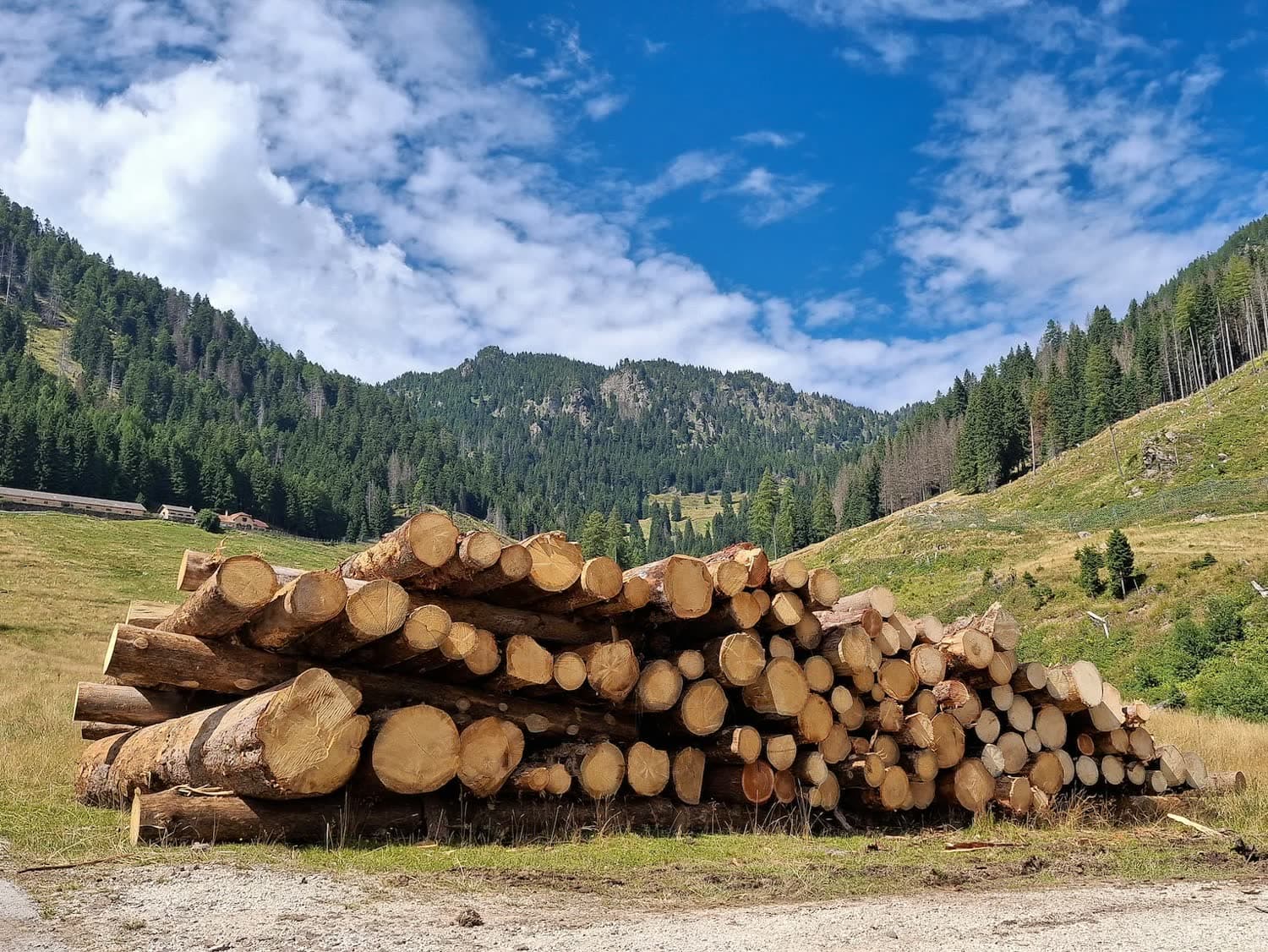
Sawmills and planer mills
Support fire-risk reviews around planers, conveyors, dust systems, bearings, and electrical rooms.
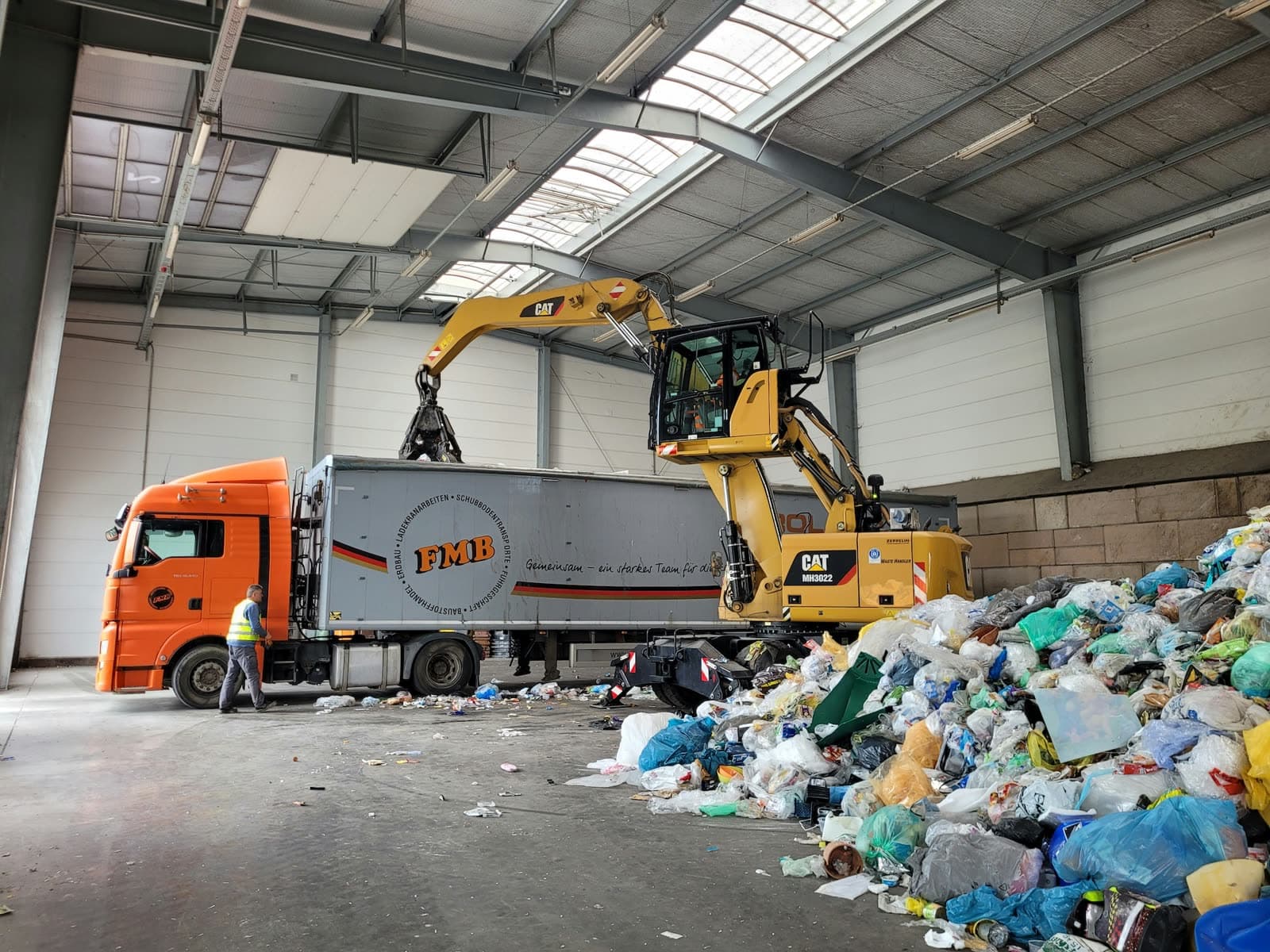
Recycling and waste
Document monitoring for battery events, smoldering loads, conveyors, and after-hours hotspots.

Biomass and pellet plants
Show coverage around presses, dryers, conveyors, combustible dust, and storage areas.
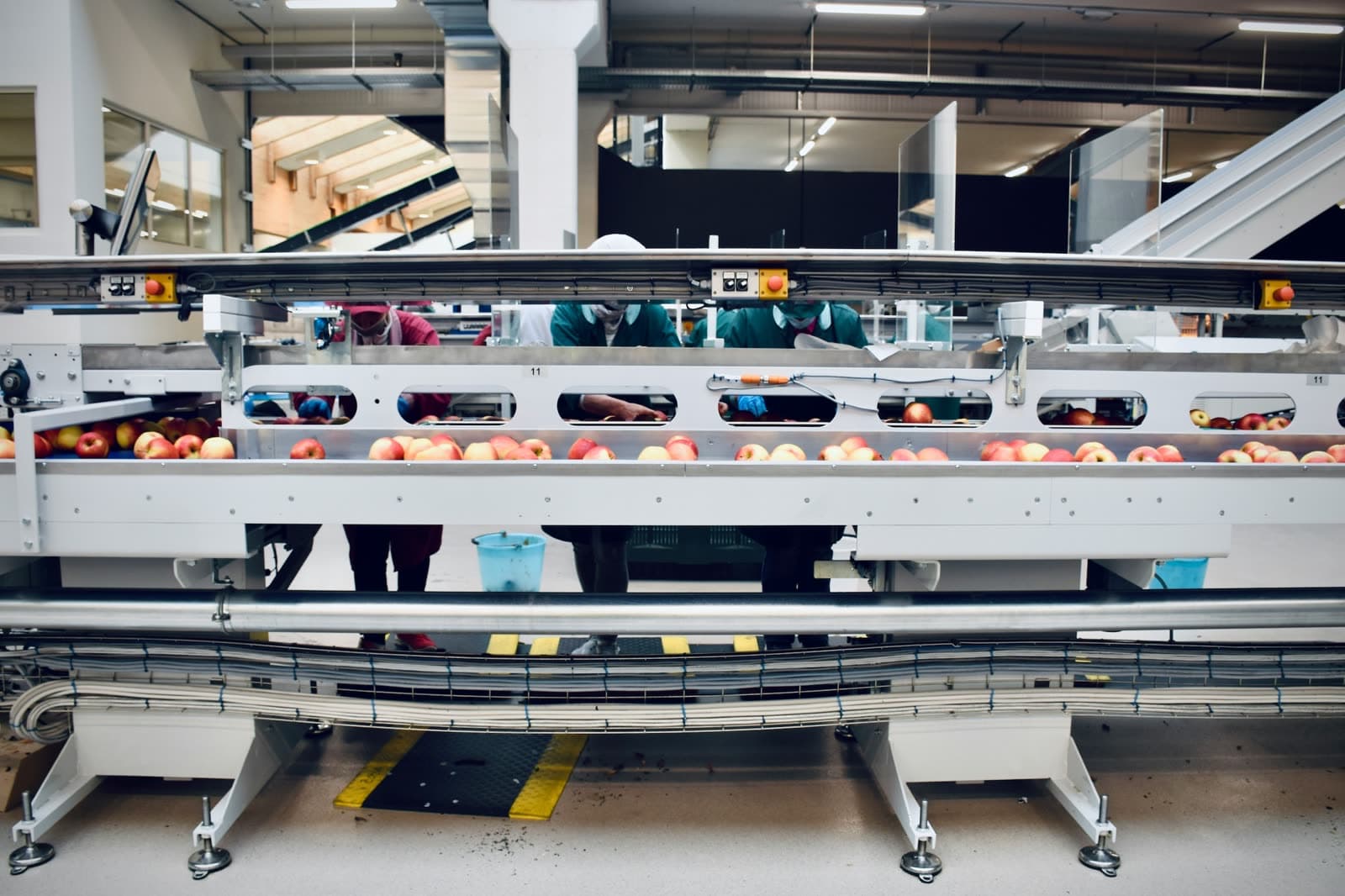
Food and beverage manufacturing
Watch utility rooms, motors, conveyors, refrigeration assets, ovens, and electrical panels.
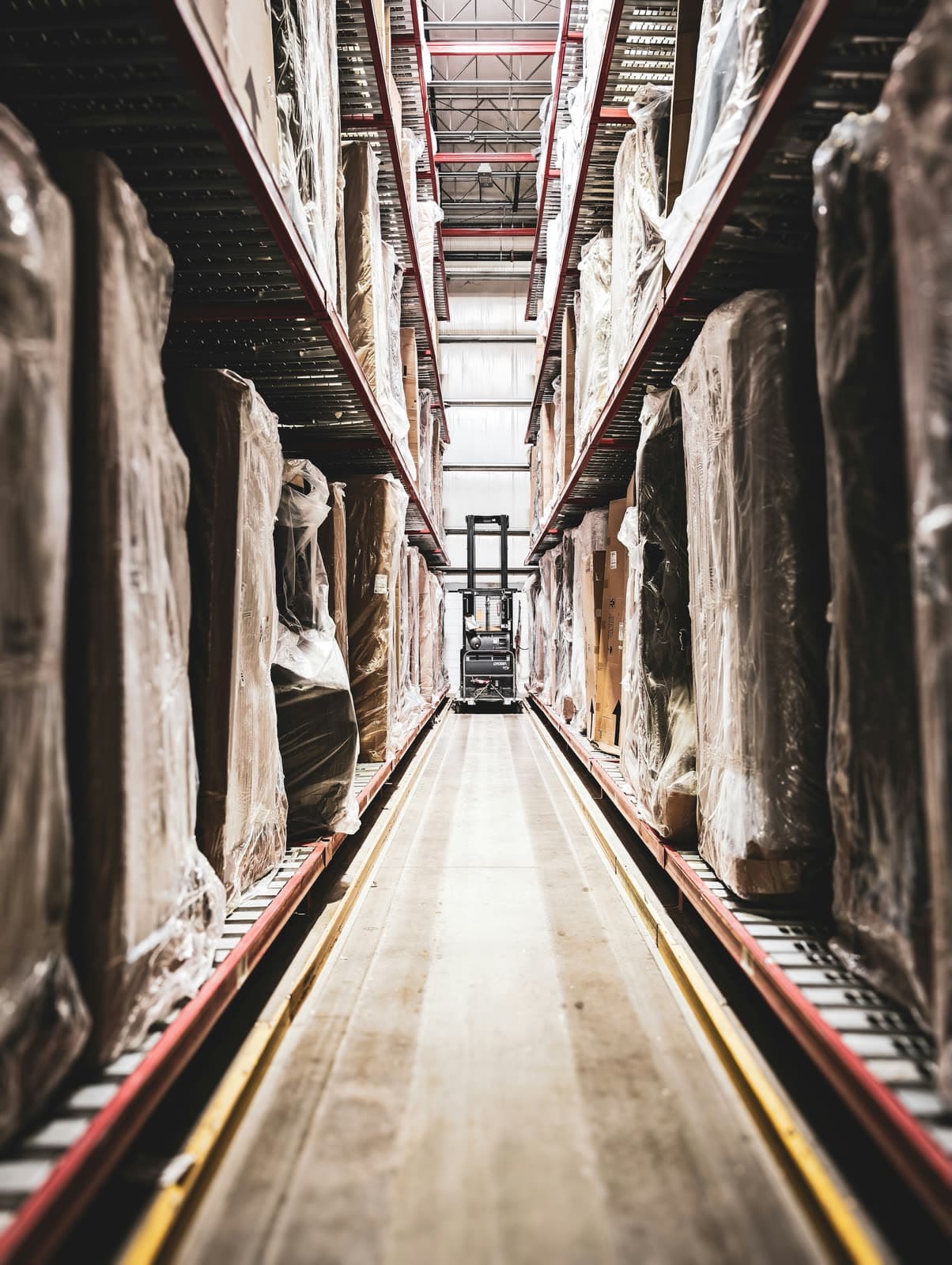
Ports and bulk handling
Document heat monitoring for conveyor galleries, transfer points, towers, and stockpiles.
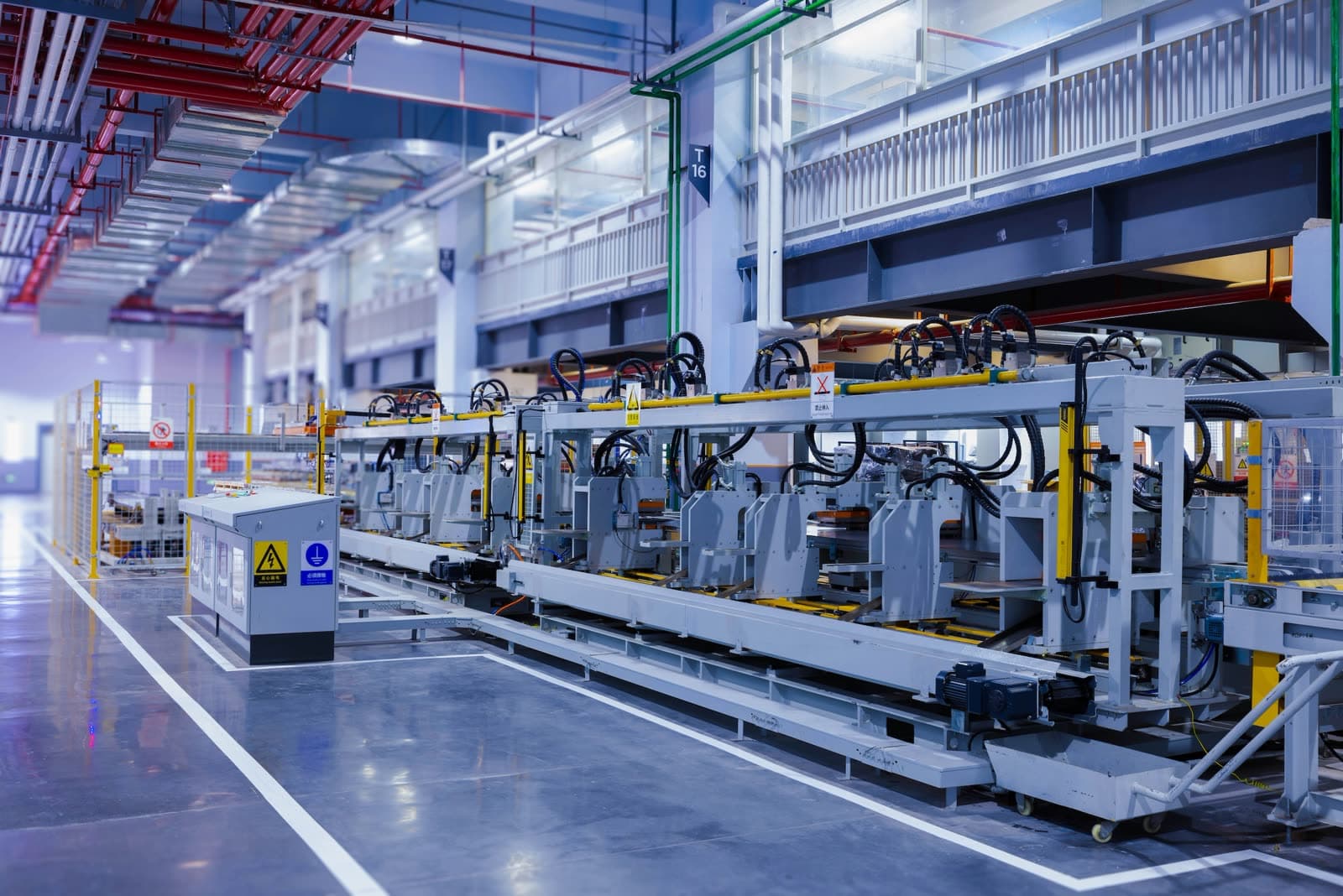
Data centers
Add thermal visibility around electrical rooms, battery systems, and facilities infrastructure.
Proof and resources
Field examples and practical guides
Why Maple Rapids Lumber Mill Chose AVIAN for 24/7 Monitoring
In December of 2024, we reached out to the team at Maple Rapids Lumber Mill to discuss the possibility of a project to monitor their operations and protect them from fires.
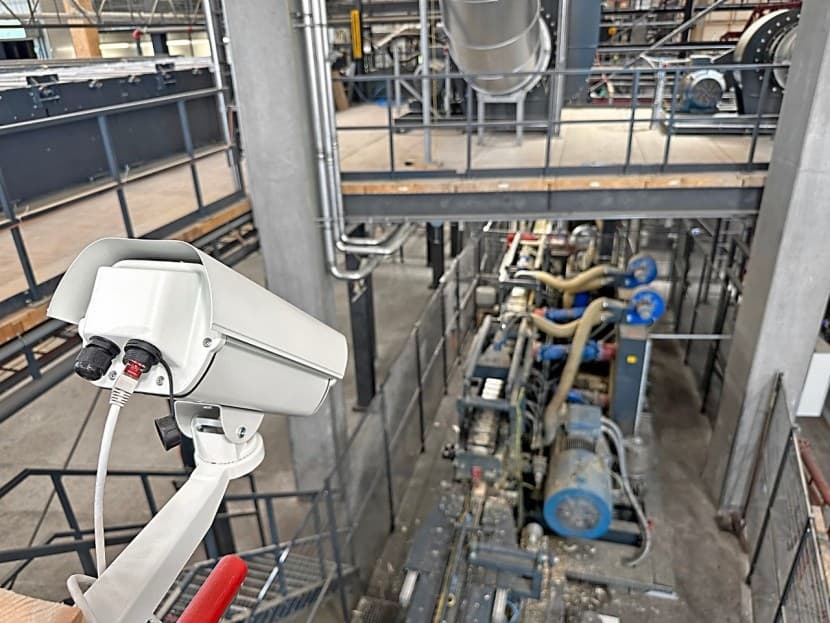
Thermal Fire Monitoring for Schilliger Holz and Blumer Lehmann
24/7 monitoring of critical areas of the plant: At Schilliger’s CLT factory in Küssnacht/CH, AVIAN installed ten cameras, for example, at the finger jointing machine … © Raphael Kerschbaumer
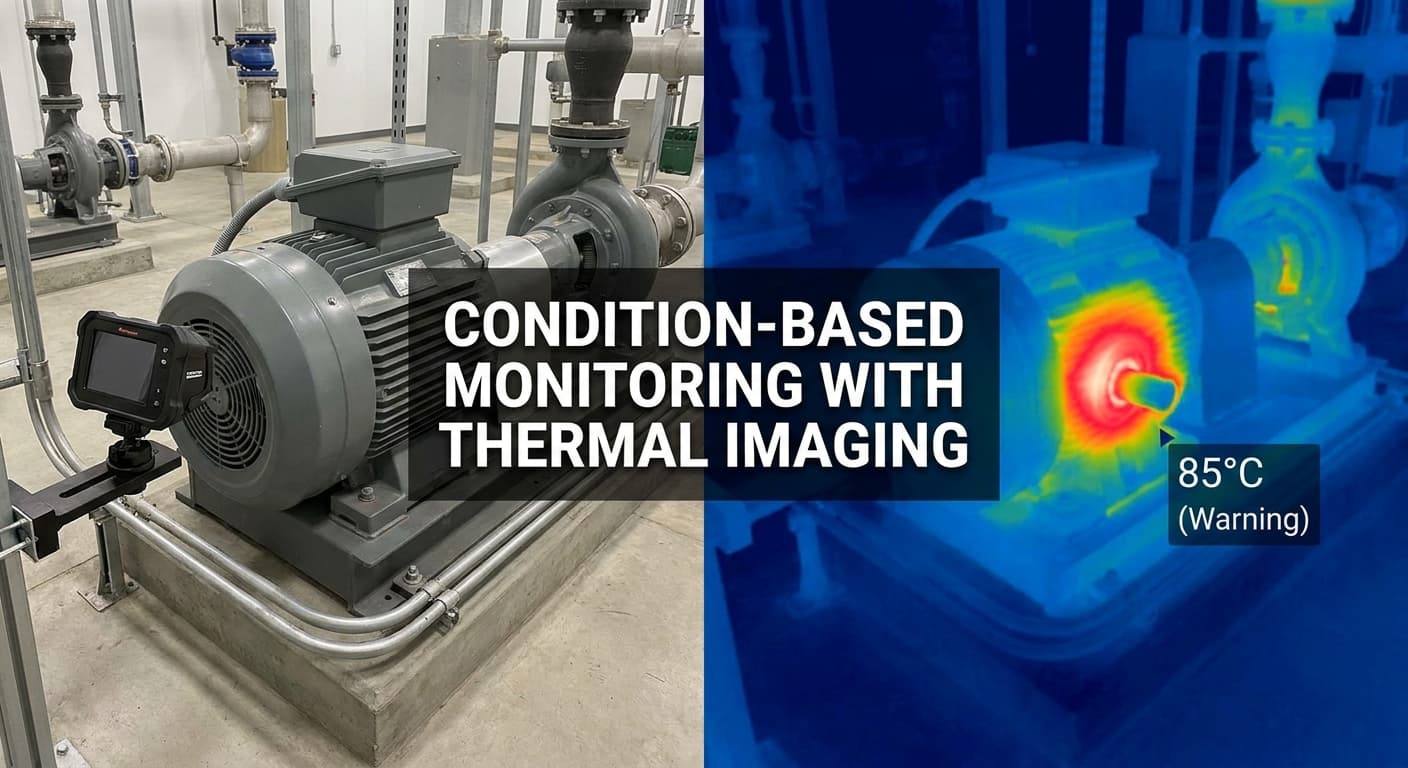
Benefits of Condition Monitoring for Industrial Facilities
The benefits of condition monitoring are simple: fewer surprise failures, less emergency maintenance, safer equipment, better planning, and more uptime from the assets your operation already owns.
FAQ
Questions teams ask before they deploy AVIAN
Can AVIAN guarantee an insurance premium discount?
No. Insurance credits, premium reductions, deductibles, exclusions, and coverage decisions depend on the carrier, broker, policy, facility, industry, loss history, and the rest of the site's fire protection program. AVIAN can help document risk controls, but the insurer makes the underwriting decision.
What insurance benefit have customers seen?
Some customers have received insurance credits or premium reductions after installing AVIAN. In one public customer story, Maple Rapids received an insurance credit that covered around 90% of the system cost on an annualized basis. Results vary by provider and facility.
What should we share with a broker or risk engineer?
Share the monitored zones, camera coverage plan, alert escalation workflow, event logs, corrective actions, maintenance records, and any integration with PLCs, shutdown logic, suppression, or site response procedures.
Is AVIAN a replacement for sprinklers or code-required systems?
No. AVIAN is an early-warning thermal monitoring layer. Code-required alarms, sprinklers, suppression, electrical maintenance, and life-safety systems remain part of the facility's fire protection program.
Why do insurance providers care about thermal monitoring?
Industrial losses often begin as abnormal heat: friction, electrical resistance, battery heat, retained material heat, or smoldering material. Continuous thermal monitoring gives teams a way to detect and document those conditions before smoke, flame, suppression, or a claim.
Related resources
Can Thermal Monitoring Lower Insurance Premiums?
A practical guide to the insurance conversation around thermal monitoring, premium credits, and risk documentation.
Early Fire Prevention
How AVIAN helps industrial teams catch fire risk while it is still abnormal heat.
Thermal Monitoring Integrations
Connect heat alerts to response, reporting, maintenance handoff, and optional control actions.