Early Fire Prevention
Catch industrial fire risk while it is still heat
Many industrial fires begin as abnormal heat: friction, electrical resistance, retained material heat, battery heat, or dust-system heat. AVIAN watches those risk zones continuously so teams can inspect, stop, clean, or escalate before smoke or flame enters the timeline.
Application
Watch
Monitor risk zones
Alert
Escalate abnormal heat
Verify
Inspect the scene
Act
Stop escalation
$1.5B
in estimated annual direct property damage from U.S. industrial and manufacturing fires, according to NFPA data for 2017-2021.
Why early warning matters
Traditional fire detection often enters after the heat problem has escalated
Smoke, flame, sprinklers, and fire alarm systems are essential. They are also later-stage signals. In many industrial settings, the first useful warning is heat on the asset, material, panel, conveyor, or battery area.
Combustible dust, wood, grain, food, paper, plastics, and metals can create serious fire or explosion hazards in finely divided form.
Electrical faults and loose connections can generate heat before an obvious failure.
Conveyors, bearings, motors, batteries, and dust collectors often operate where people cannot watch continuously.
Earlier thermal evidence gives teams time to investigate before suppression discharge, shutdown, or property loss.
What our customers say
Industrial teams use AVIAN to catch heat problems before they become downtime or fire risk
“We’ve already prevented a fire”
While processing beetle-damaged wood, a splinter got stuck. The early warning triggered by the temperature increase enabled timely intervention and prevented an open flame.
“How AVIAN Thermal Cameras Prevent Planer Mill Fires”
“They represent a significant advance in fire protection”
The cameras give me peace of mind about the protection of my business. I can highly recommend AVIAN — the service and support during installation and operation is excellent.

“Every planer mill should have an AVIAN system”
I can’t think of a reason why anyone wouldn’t want to install it.
“Why Charles Ingram Says Planer Mills Need AVIAN”
Where AVIAN fits
A thermal layer before smoke, flame, or suppression
AVIAN helps teams monitor the heat precursors that often sit upstream of fire response: friction, resistance, retained heat, smoldering material, and abnormal process temperature.
Combustible zones
Monitor dust systems, piles, conveyors, storage areas, and material handling zones where heat can become ignition risk.
Electrical and mechanical heat
Catch overloaded motors, loose connections, rubbing belts, hot bearings, and drive heat before they become visible emergencies.
Battery and charging areas
Watch chargers, battery rooms, fleet depots, and energy storage areas for abnormal heat during unattended operation.
From heat to response
Give teams time to act before the fire timeline advances
The value of early fire prevention is the time between abnormal heat and a late-stage fire event. AVIAN is built to make that window visible and actionable.
Watch
Monitor risk zones
Thermal cameras watch the assets and material areas where industrial heat problems start.
Alert
Escalate abnormal heat
Operators, safety, maintenance, and on-call teams receive alerts with thermal and visual context.
Verify
Inspect the scene
The team can confirm whether the source is friction, electrical heat, material heat, hot work, or process drift.
Act
Stop escalation
Sites can clean, inspect, stop equipment, isolate material, escalate response, or document the event.
Where it applies
Built around the assets where heat changes the outcome
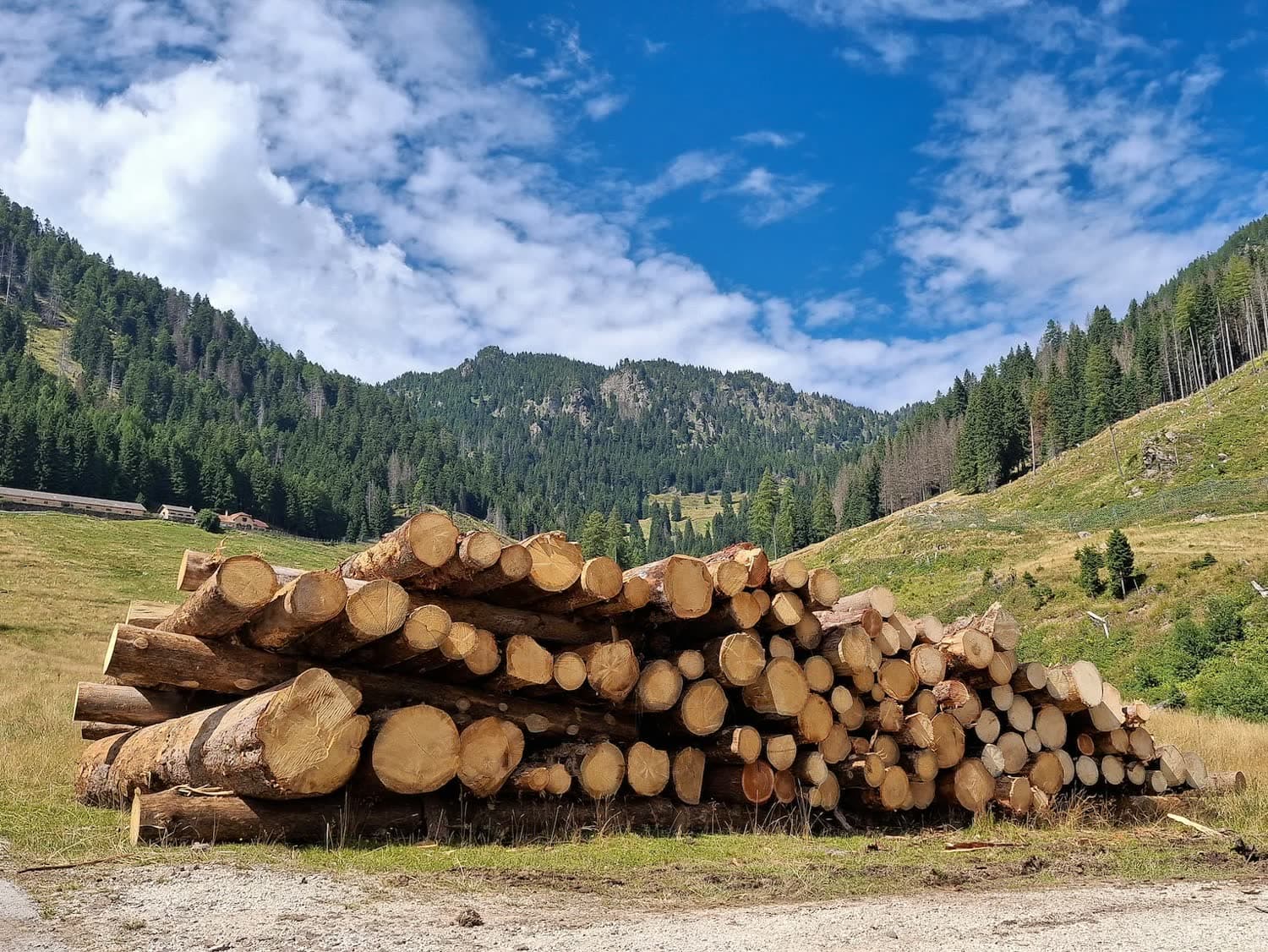
Sawmills and planer mills
Catch planer heat, bearings, conveyors, and dust-system hotspots before they become fire events.
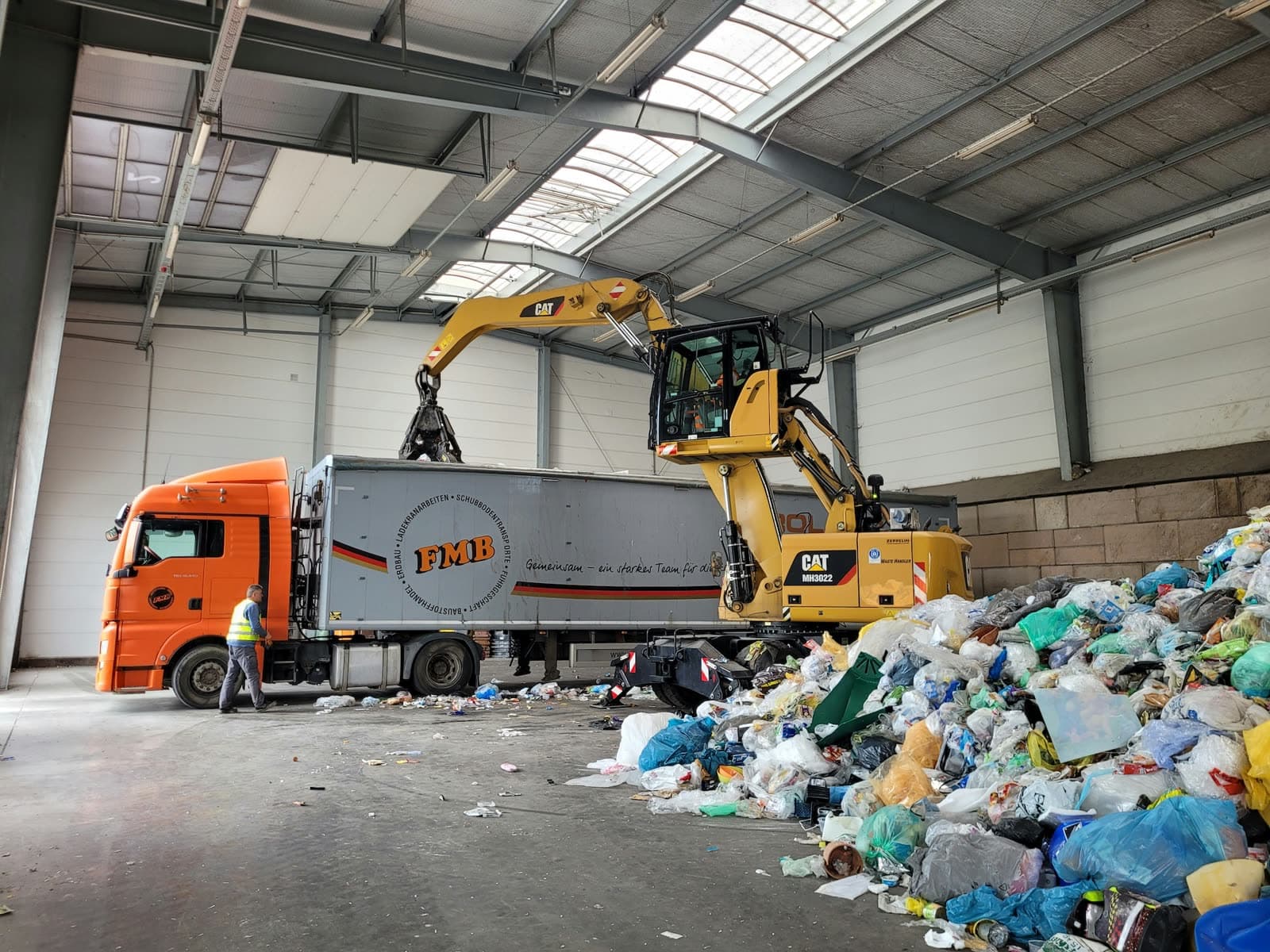
Recycling and waste
Watch battery events, smoldering loads, conveyor heat, and after-hours hotspots.

Biomass and pellet plants
Track friction, press heat, conveyors, drives, and combustible dust zones.
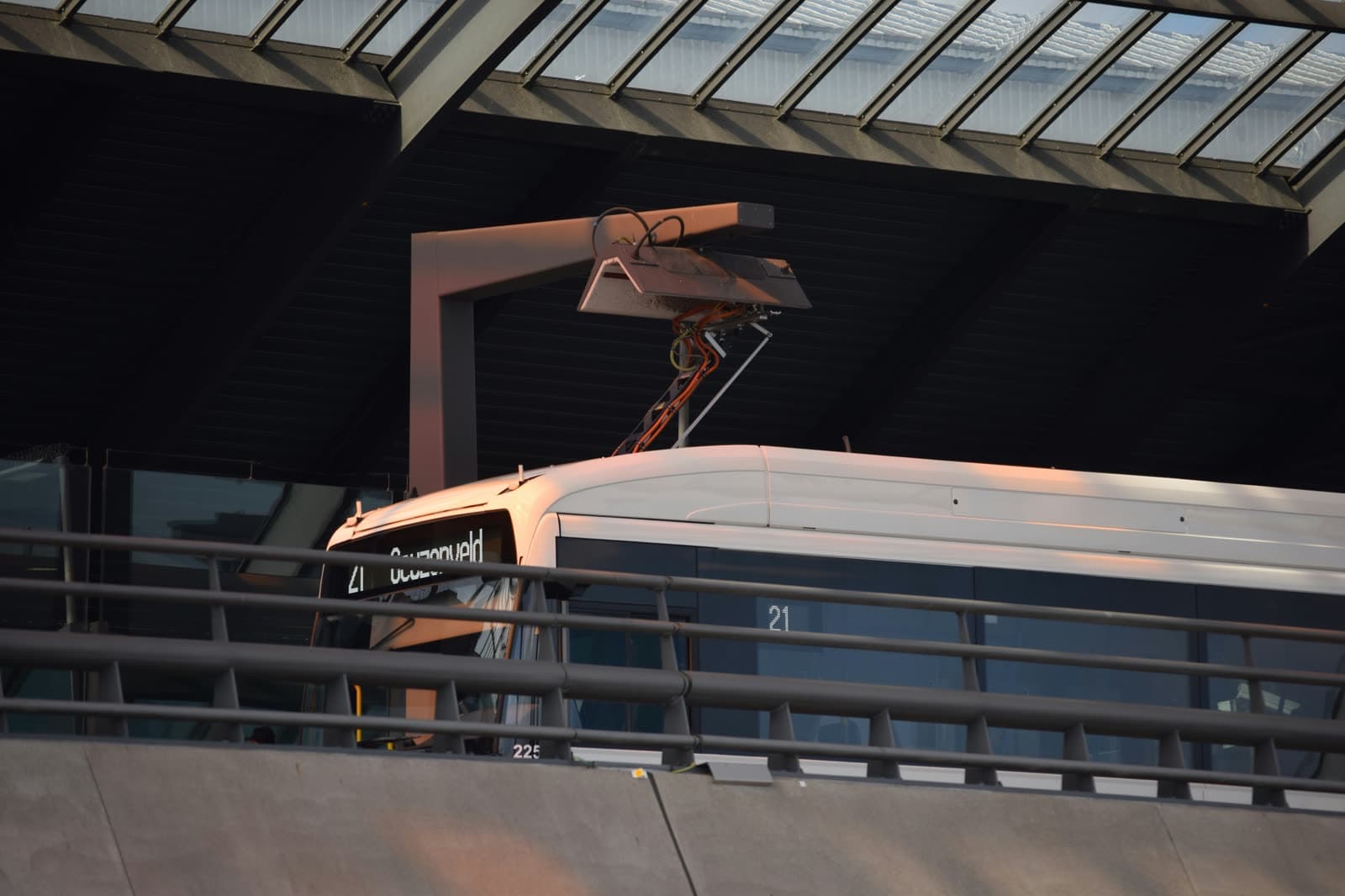
Electric bus depots and fleet charging
Detect charger faults and battery heat before overnight charging turns into a depot fire.
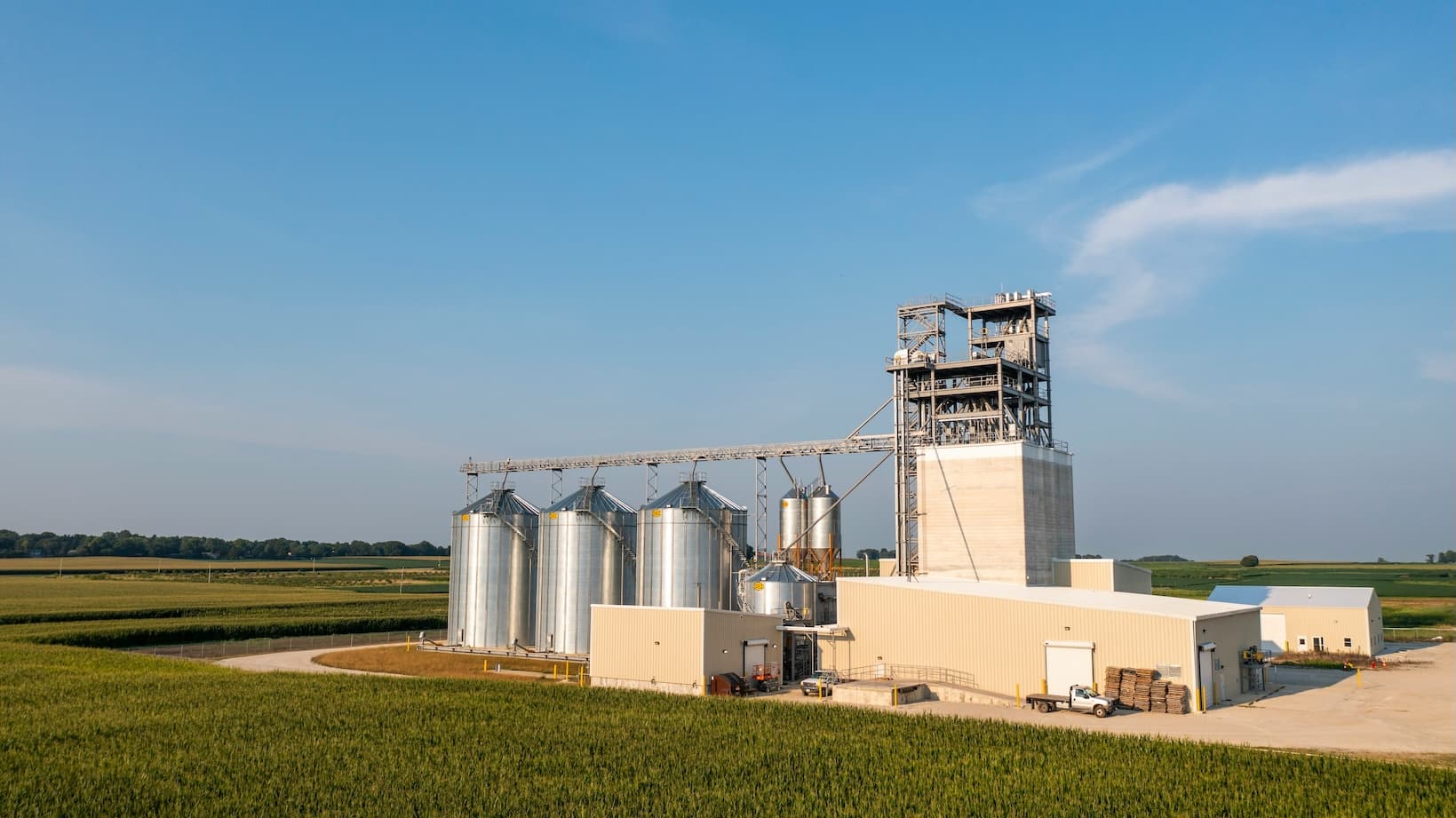
Grain and feed mills
Watch bearings, elevator friction, and combustible dust zones before a routine fault becomes ignition risk.
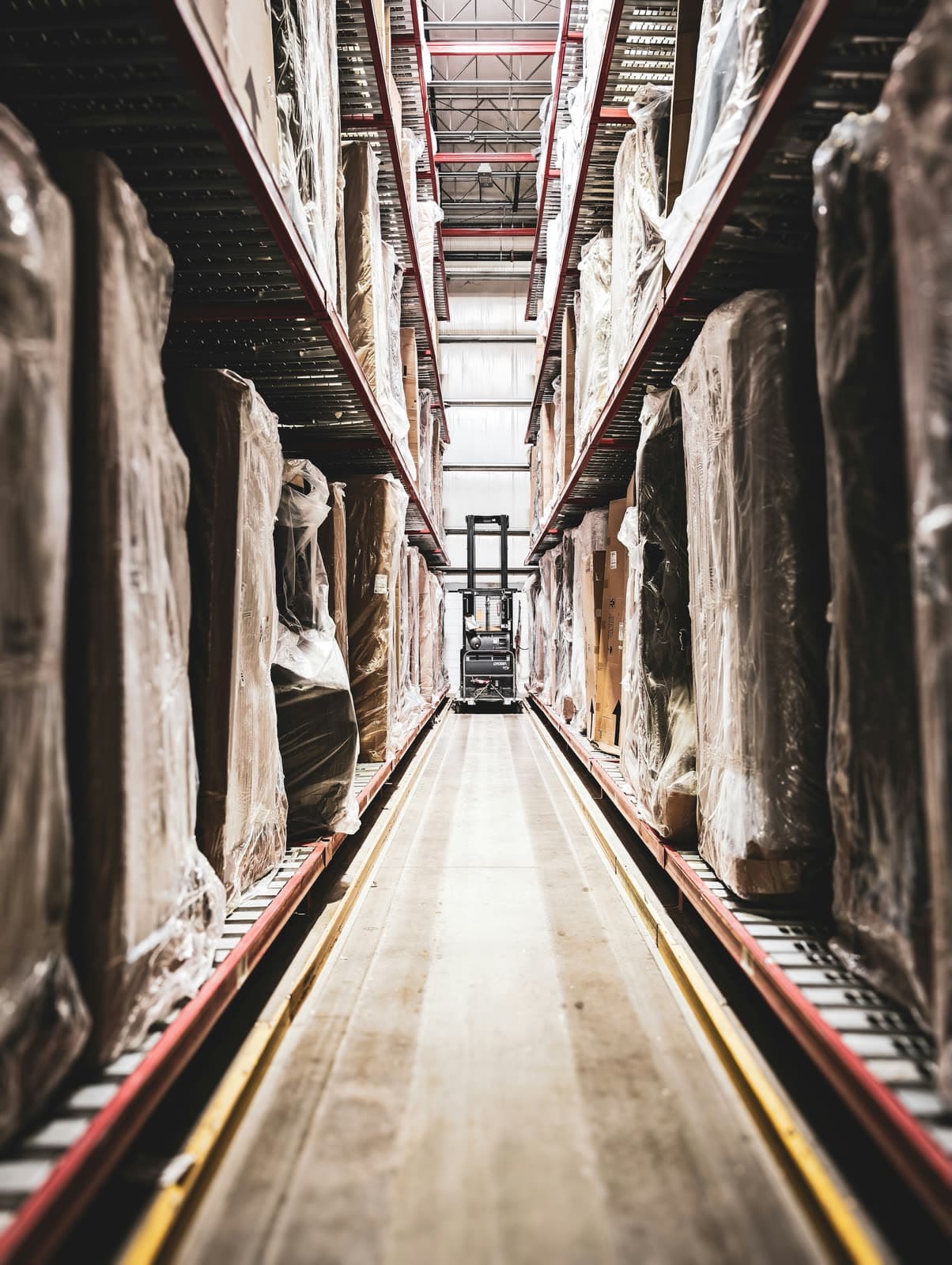
Ports and bulk handling
Monitor conveyor galleries, transfer stations, and storage zones where fire risk can develop out of sight.
Proof and resources
Field examples and practical guides
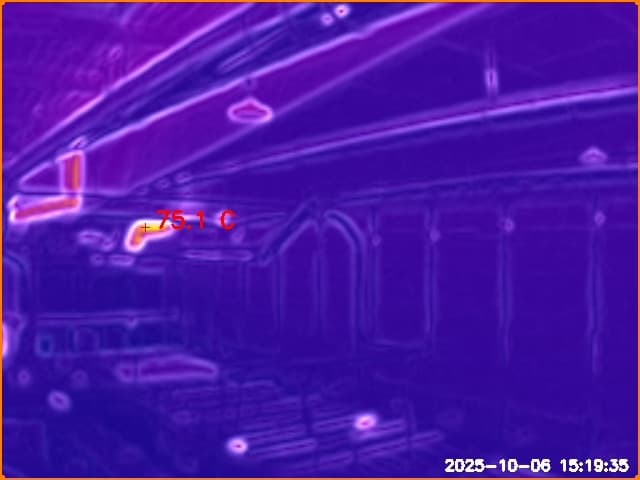
How Spark Detection Failed in a Duct Fire Incident
We caught a scary one this week folks.
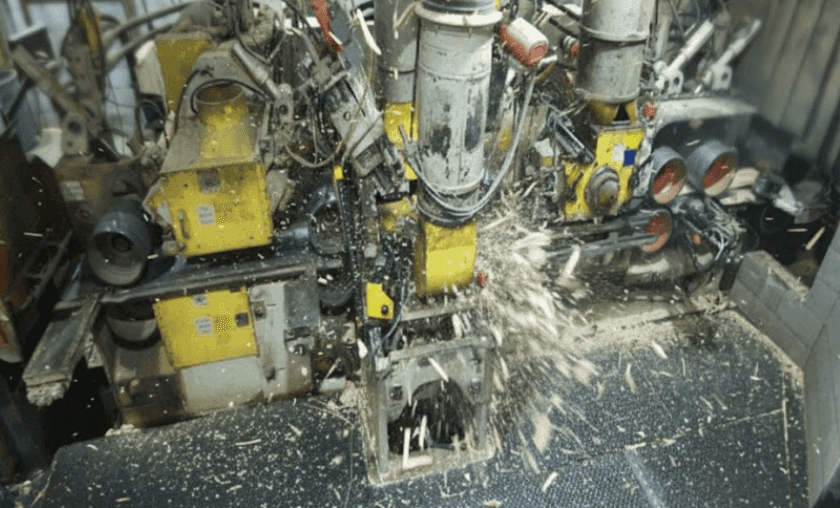
Condition-Based Thermal Monitoring at Sierra Pacific Mills
When Sierra Pacific Industries first reached out to AVIAN, the goal was straightforward: monitor baghouses and dust collection equipment at their Quincy, California operation. What happened next is a story about what ...
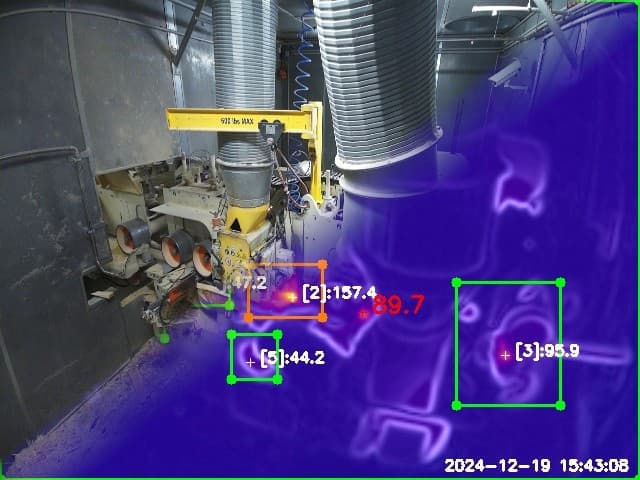
Preventing Fires in Your Planer Mill with AVIAN Thermal Cameras
In the fastpaced world of modern planer mills, safety, efficiency, and operational insight are paramount. Integrating AVIAN's stateoftheart thermal cameras into your mill not only addresses these priorities but also d...
FAQ
Questions teams ask before they deploy AVIAN
Does AVIAN replace smoke detectors, flame detectors, or sprinklers?
No. Code-required fire detection, alarms, sprinklers, and suppression systems stay in place. AVIAN is an early-warning thermal monitoring layer that helps teams respond while the event is still abnormal heat.
What fire risks can thermal monitoring help detect early?
Common examples include hot bearings, rubbing belts, overheated motors, loose electrical connections, battery and charger heat, dust collection heat, retained material heat, and smoldering piles or loads.
Is early fire prevention the same as certified fire detection?
No. Early fire prevention focuses on identifying precursors before a code-required alarm event. AVIAN helps operations, maintenance, and safety teams see and act on abnormal heat earlier.
Can AVIAN trigger automatic shutdowns?
Yes, when the site design calls for it. Automatic stops or control actions are optional, site-specific, and designed around the facility's safety, operations, and control requirements.
Related resources
Industrial Fire Prevention Technologies
Where thermal monitoring fits in a layered industrial fire prevention strategy.
PLC Integration and Auto-Stop
How high-temperature events can trigger optional control actions when a site requires it.
Thermal Monitoring Integrations
Connect heat alerts to operators, maintenance, fire response, reporting, and optional control actions.