Grain Handling & Feed Mills
Catch hot bearings, elevator friction, and dust ignition before a routine failure shuts down the plant
AVIAN delivers continuous thermal monitoring of your conveyors, elevators, bearings, and process areas — condition-based alerts on bearing heat and elevator friction before a routine fault becomes a dust explosion or unplanned shutdown.
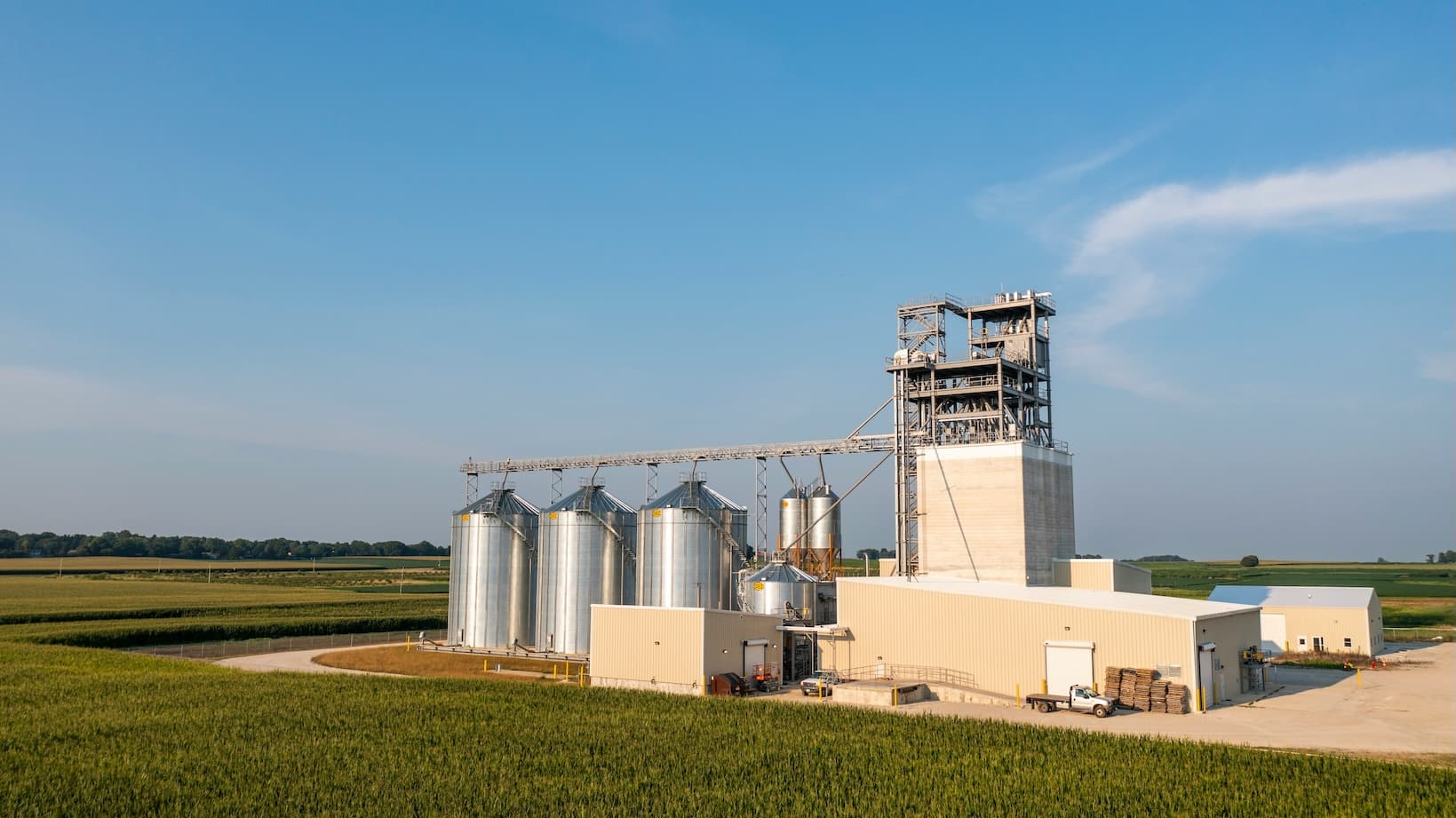
Dust explosions are not rare — they happen every year
The ten-year US average is 8.5 grain dust explosions per year, with smoldering grain and equipment malfunction as leading causes. These are predictable failures, not freak accidents.
8.5 / year
grain dust explosions in the US — ten-year average
86 explosions
in the last decade, with 12 fatalities and 83 injuries
Where heat and dust share the same space every shift
In grain and feed operations, the safest intervention is the earliest one. The goal is to catch abnormal heat while the issue is still local and manageable — before it reaches the dust.
Combustible dust ignition
Heat in a processing or transfer area can reach suspended or settled dust. Once ignition starts in a dusty environment, it moves fast and the consequences are severe.
Bearing and motor overheating
A single hot bearing on a conveyor, elevator, or drive can seize, damage surrounding equipment, and stop the line. AVIAN catches the trend before it gets there.
Bucket elevators and conveyor transfer points
Elevator legs and transfer points combine friction, misalignment risk, and confined spaces. Heat buildup at these assets can escalate into equipment damage or material ignition.
Hard-to-supervise process areas
Enclosed elevator housings, elevated walkways, and remote conveyors are difficult to check continuously. Thermal monitoring covers them around the clock.
Where AVIAN watches
Heat visibility around dust, movement, and confined equipment
Grain and feed facilities need early warning at the exact points where friction, bearings, material flow, and combustible dust overlap.
Bucket elevators and legs
Monitor elevator friction, bearing heat, and confined areas where a small fault can move vertically through the plant.
Conveyors and transfer points
Watch belts, chains, rollers, and handoff points where misalignment or buildup can create heat near grain dust.
Bearings, motors, and drives
Catch mechanical heat before a routine maintenance issue becomes a seized component or ignition source.
Dust-prone process zones
Add an early heat layer near areas where settled or suspended dust makes late detection especially costly.
Before heat reaches the dust
Turn a hidden heat source into an actionable maintenance event
The goal is not another alarm after conditions are already dangerous. It is earlier evidence that lets teams inspect, clean, stop, or repair before ignition risk escalates.
Watch
Cover dusty risk zones
Cameras watch elevators, conveyors, transfer points, motors, and drives through staffed and lightly staffed shifts.
Detect
Find abnormal heat early
AVIAN flags bearing heat, friction, retained material heat, or process drift before it becomes a visible event.
Alert
Notify the team fast
Operators and maintenance receive location-specific thermal context so they know where to look and what changed.
Act
Inspect, clean, stop, or repair
Teams can remove buildup, inspect bearings, stop equipment, or escalate response before the heat source reaches dust.
Proof and resources
Field examples and practical guides

Why Smoke Detectors Miss Dust Fires (Infrared Monitoring Wins)
Smoke detectors save lives. In a clean office, they do exactly what you expect.
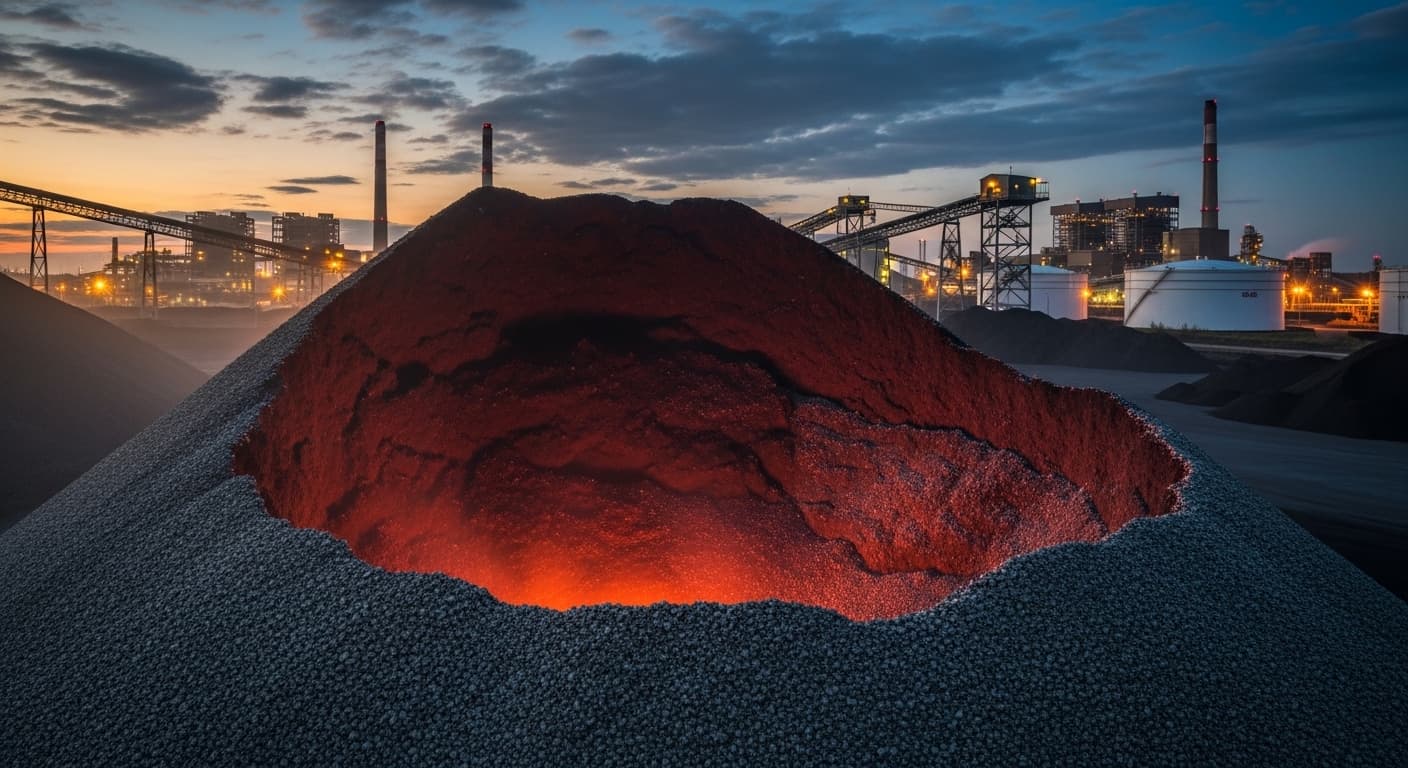
Stockpile Fires: Why Infrared Monitoring Sees Heat First
By the time you see smoke, you're already behind.
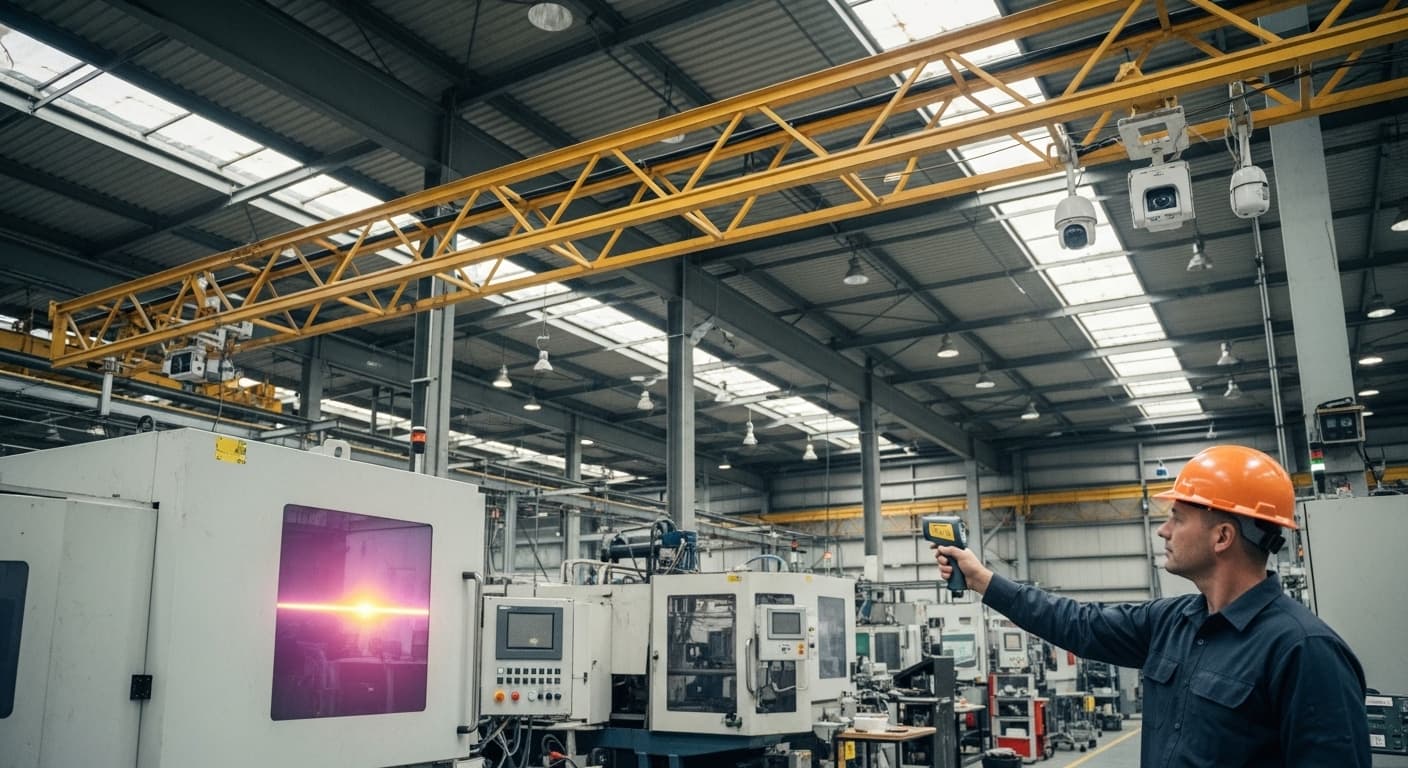
Handheld FLIR vs. Fixed Thermal Monitoring
"We already have FLIR."
Related resources
Why dusty facilities need more than smoke detection
How infrared monitoring catches heat before dust fires produce smoke or flame.
Silo and cyclone fire risk
A practical look at heat risk in enclosed dust and material handling paths.
Stockpile fires and infrared monitoring
How retained heat and smoldering material can be detected earlier with thermal coverage.
FAQ
Questions teams ask before they deploy AVIAN
What are the best first locations for thermal monitoring in a grain facility?
Most sites start with bucket elevators, transfer points, conveyor drives, motors, bearings, and dust-prone process areas where heat and combustible dust can overlap.
Does AVIAN replace explosion protection or required fire systems?
No. Explosion protection, fire alarms, sprinklers, and suppression systems stay in place. AVIAN adds an earlier thermal monitoring layer so teams can act before a heat source becomes an ignition event.
Can AVIAN help during lightly staffed or overnight operation?
Yes. Continuous monitoring is especially useful when fewer people are walking the plant. Alerts can reach operators, maintenance, or on-call teams with thermal and visual context.
Can alerts trigger a shutdown or equipment stop?
Yes, when the site wants that workflow. AVIAN can integrate with PLCs so high-temperature events can trigger alarms, interlocks, or automatic stops based on the facility's response plan.
Our Grain & Feed Package
One system across your elevators, conveyors, and dust-prone process zones.
Built for operators who need earlier warning on heat buildup across material handling equipment and combustible dust environments.
Coverage
Watch elevator legs, transfer points, drives, and the areas around them
Thermal cameras are positioned around conveyors, bucket elevators, transfer points, and drives — focused on the assets where a single failure can spread heat through the plant.
Detection
Catch rising heat while the problem is still local
AVIAN tracks thermal patterns in real time so a hot bearing, friction point, or process upset is caught before it develops into a dust ignition event or broader downtime.
Response
Get alerts that reach your team fast — even on lightly staffed shifts
Your team gets setup support, alerting, and ongoing tuning so critical heat events are escalated quickly — whether the plant is fully staffed or running with minimal on-floor coverage.
Core AVIAN workflows
Go deeper on how AVIAN turns heat into action
AI thermal anomaly detection
How AVIAN spots abnormal heat before it becomes downtime or fire.
Thermal monitoring integrations
How alerts fit operator, maintenance, reporting, and control workflows.
Fire prevention and predictive maintenance
Why the same heat signal supports safety and reliability teams.