AI Thermal Anomaly Detection
Catch abnormal heat without drowning operators in noise
Industrial scenes are messy. Forklifts, hot work, sun, process heat, and normal equipment cycles can all look urgent if a system only watches fixed limits. AVIAN combines thermal imaging, RGB context, and baseline-aware detection so teams see the abnormal heat that deserves action.
Signal pipeline
- Thermal capture
- RGB context
- Baseline comparison
- Noise filter
- Anomaly alert
Why simple alarms fail
Heat problems rarely look clean in real facilities
A useful thermal system has to separate the heat that belongs in the process from the heat that signals failure, fire risk, or maintenance need. Otherwise operators learn to ignore alarms.
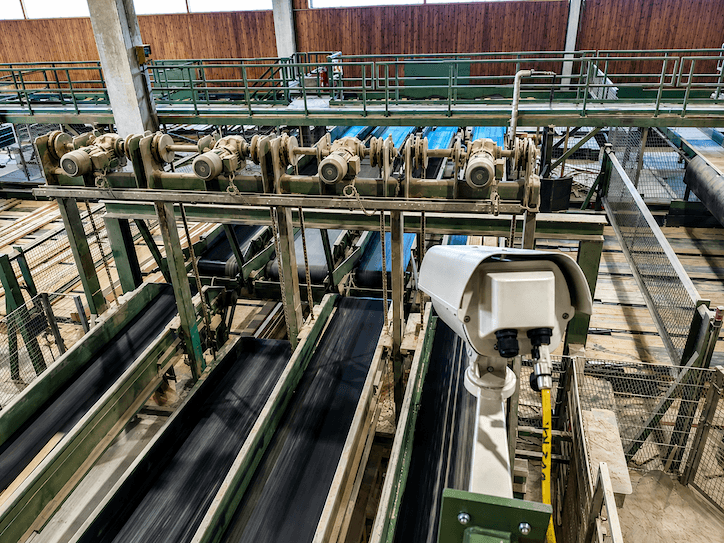
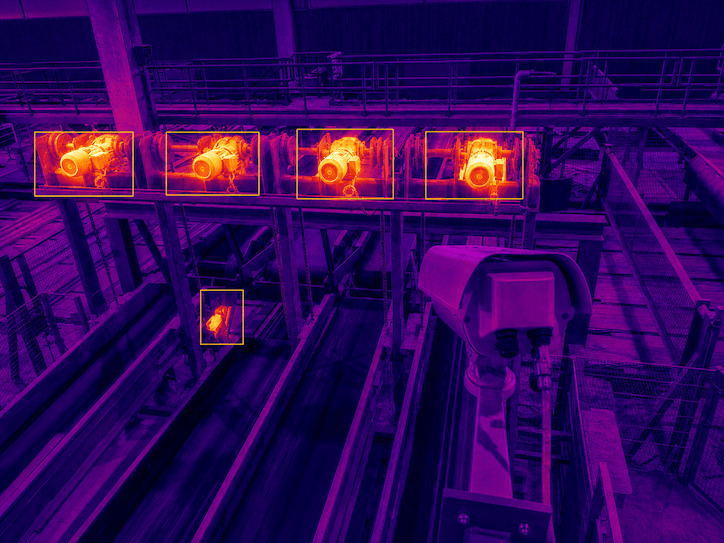
T100 analytics workflow
From alarm statistics to the heat trend behind the report
The same T100 data supports weekly alarm review and predictive maintenance follow-up. Operators can review alarm patterns, open a flagged report, and see the temperature drift that moved an asset outside its normal range.
AVIAN Thermal Operations
Alarm analytics and predictive maintenance detail
Alarms by device
Last 30 days
Predictive maintenance reports
Flagged by recurring thermal drift
Report for green chain left side
5/3/2026 -> 5/7/2026
Report for basement under double band
4/22/2026 -> 4/26/2026
Total alarms per week
Last 30 days
Alarms by time of day
Last 30 days
How AVIAN works
Thermal intelligence built for real industrial scenes
AVIAN combines thermal capture, RGB context, zone-based monitoring, adaptive baselines, and smart alarm filtering so teams see useful anomalies instead of raw camera noise.
- Layer 01
Thermal and RGB context
Operators see the heat signature and the visible scene together, so a hotspot is tied to the asset, belt edge, pile, panel, or process area that needs attention.
- Layer 02
Baseline-aware detection
The system tracks normal thermal behavior for each monitored zone and flags sustained drift instead of relying only on a generic temperature limit.
- Layer 03
Noise filtering
AVIAN filters routine industrial triggers such as forklifts, loaders, welding sparks, and hot work so alerts stay focused on events that deserve a response.
“I can be anywhere in the mill, or even sitting at home”
I can be anywhere in the mill, or even sitting at home and get an alert from AVIAN and I know it’s time to act immediately.
“Condition-Based Thermal Monitoring at Sierra Pacific Mills”
“We can now adjust our machines in real time—without shutting them down”
Temperature changes become immediately visible with the AVIAN system, allowing us to react without delay. This kind of predictive maintenance greatly increases technical availability.

“I’d argue it’s probably one of the best technologies as far as fire safety is concerned”
We had a gearbox that was overheating in our dust shed. Thanks to the alerts from AVIAN, we changed the oil in the gearbox and brought it back under normal operating conditions.
“From Pilot to Prevention: How Chinook Wood Products Uses AVIAN”
From the field
Recent case studies
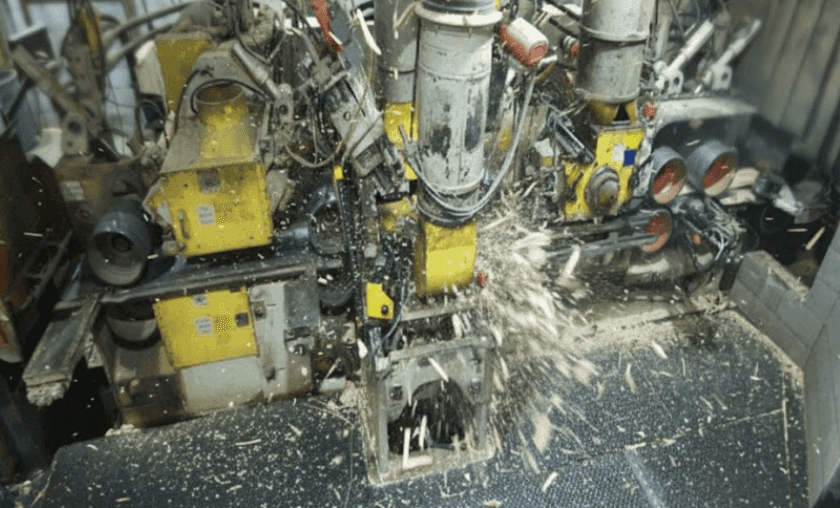
Condition-Based Thermal Monitoring at Sierra Pacific Mills
When Sierra Pacific Industries first reached out to AVIAN, the goal was straightforward: monitor baghouses and dust collection equipment at their Quincy, California operation. What happened next is a story about what ...
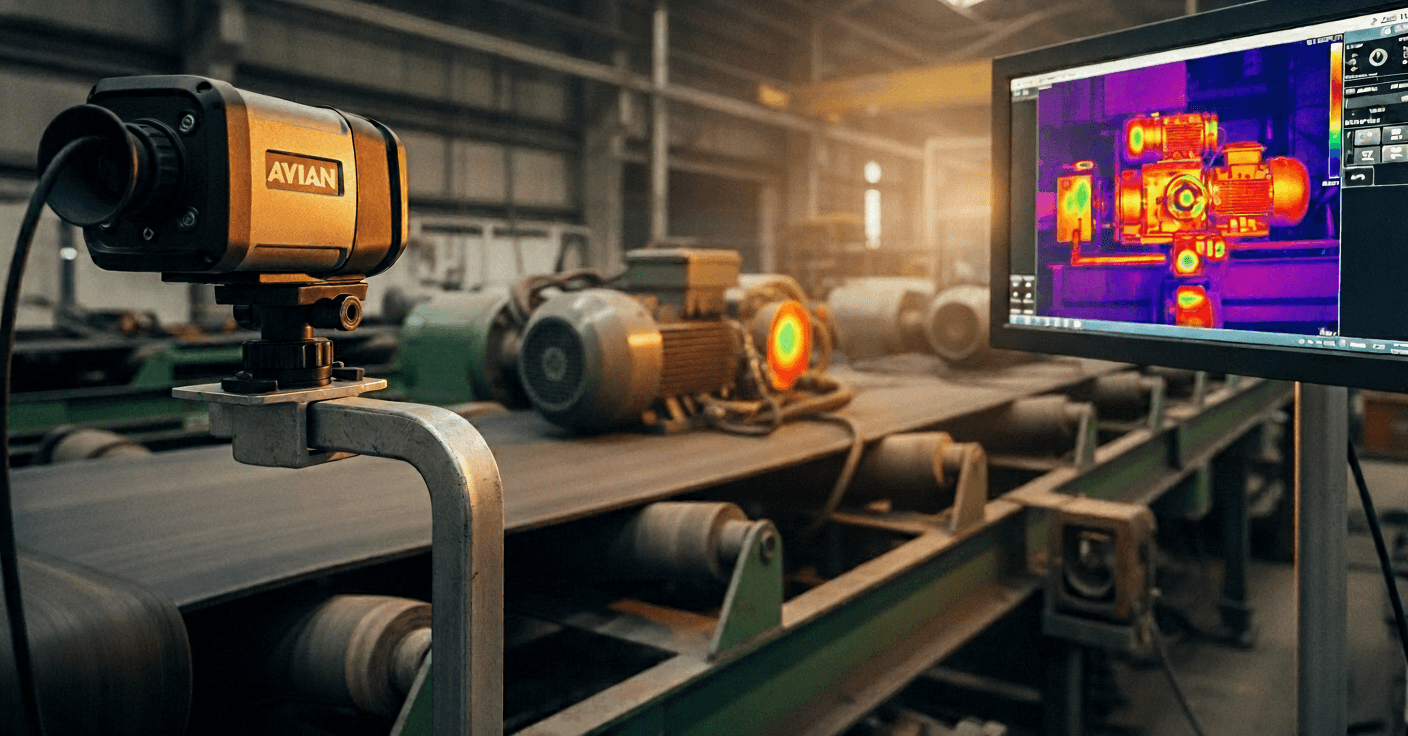
What Is Condition-Based Monitoring With Thermal Imaging?
Most industrial equipment fails the same way. It runs hot before it stops.
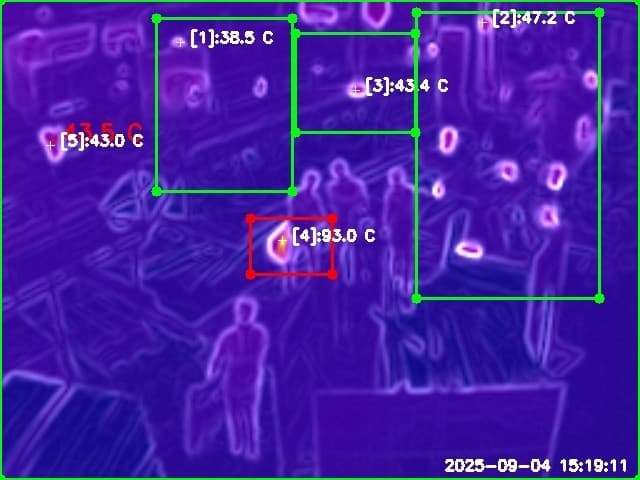
Beyond Human Vision: Thermal Cameras See Hidden Dangers
Often, great dangers lie right before our eyes without us being able to see or perceive them. This was also the case for one of our customers in Spain.
Where it applies
The industries this capability supports
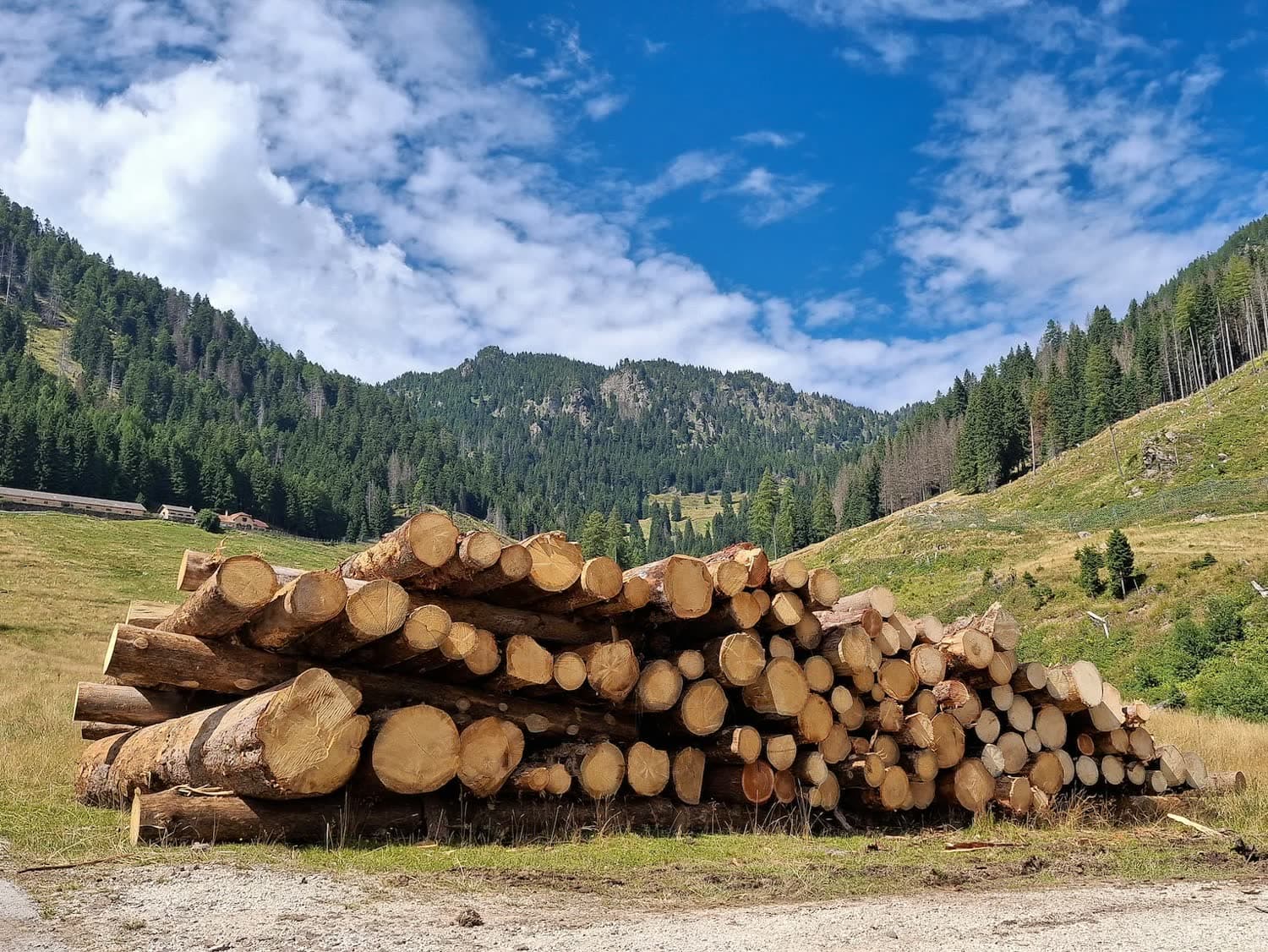
Sawmills and planer mills
Catch planer heat, bearing drift, roll failures, and dust system hotspots before they turn into fire or lost production.
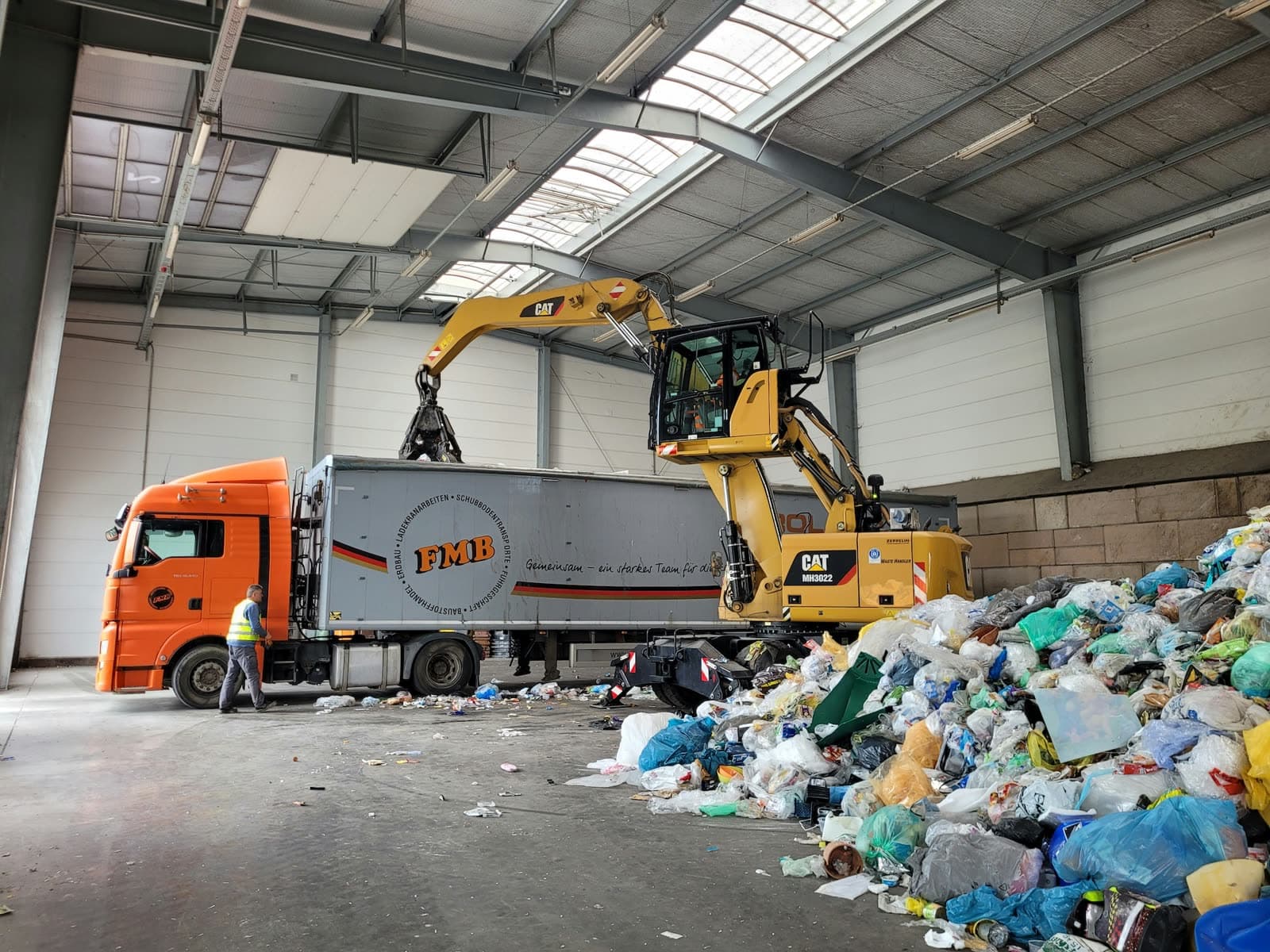
Recycling and waste
Watch battery events, smoldering loads, conveyor heat, and after-hours hotspots before smoke or sprinklers enter the story.

Biomass and pellet plants
Track friction heat around presses, conveyors, drives, and combustible dust zones.
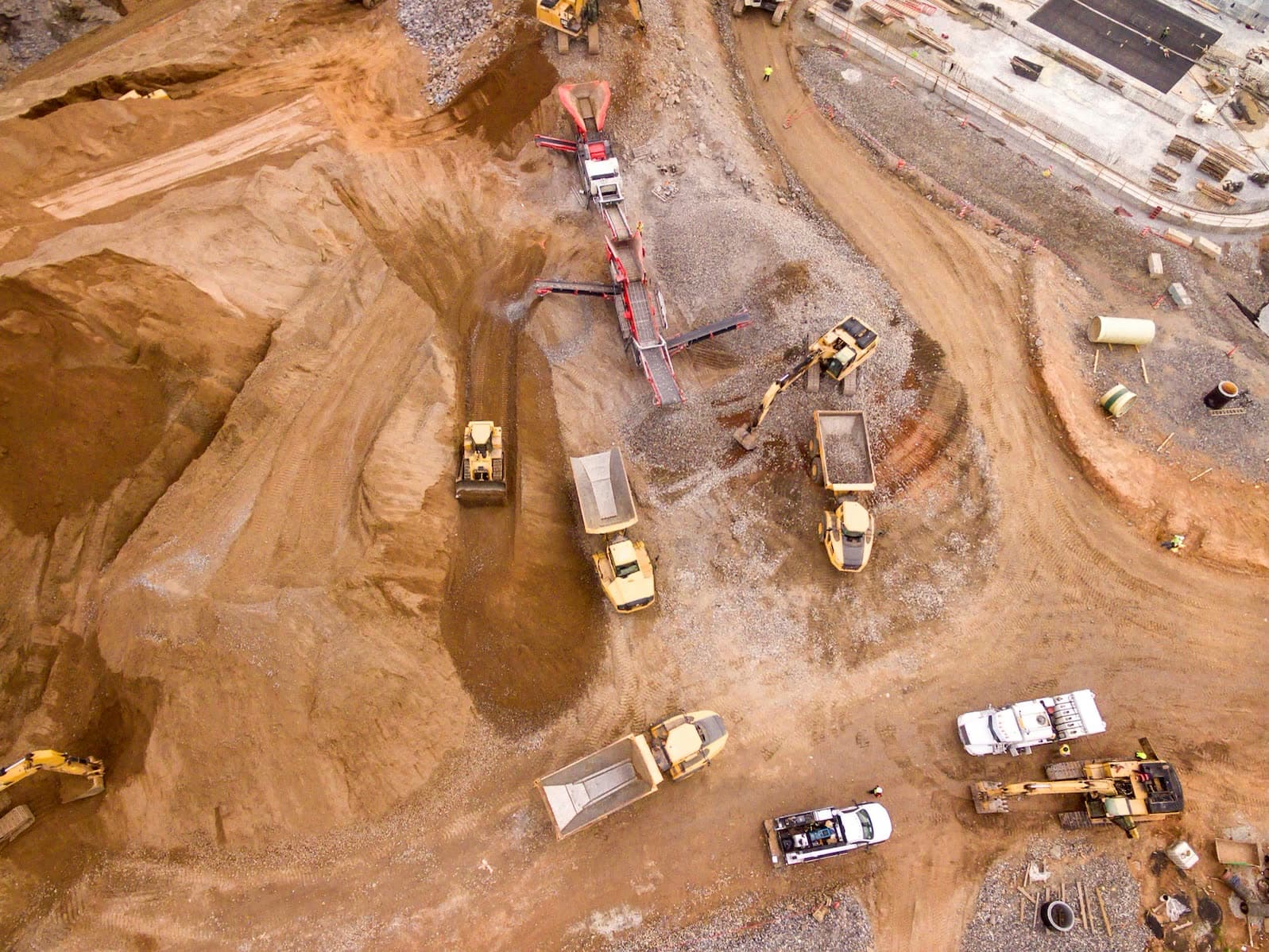
Mining conveyors
Monitor remote conveyor runs, transfer points, idlers, and drives where manual checks are hard to time.
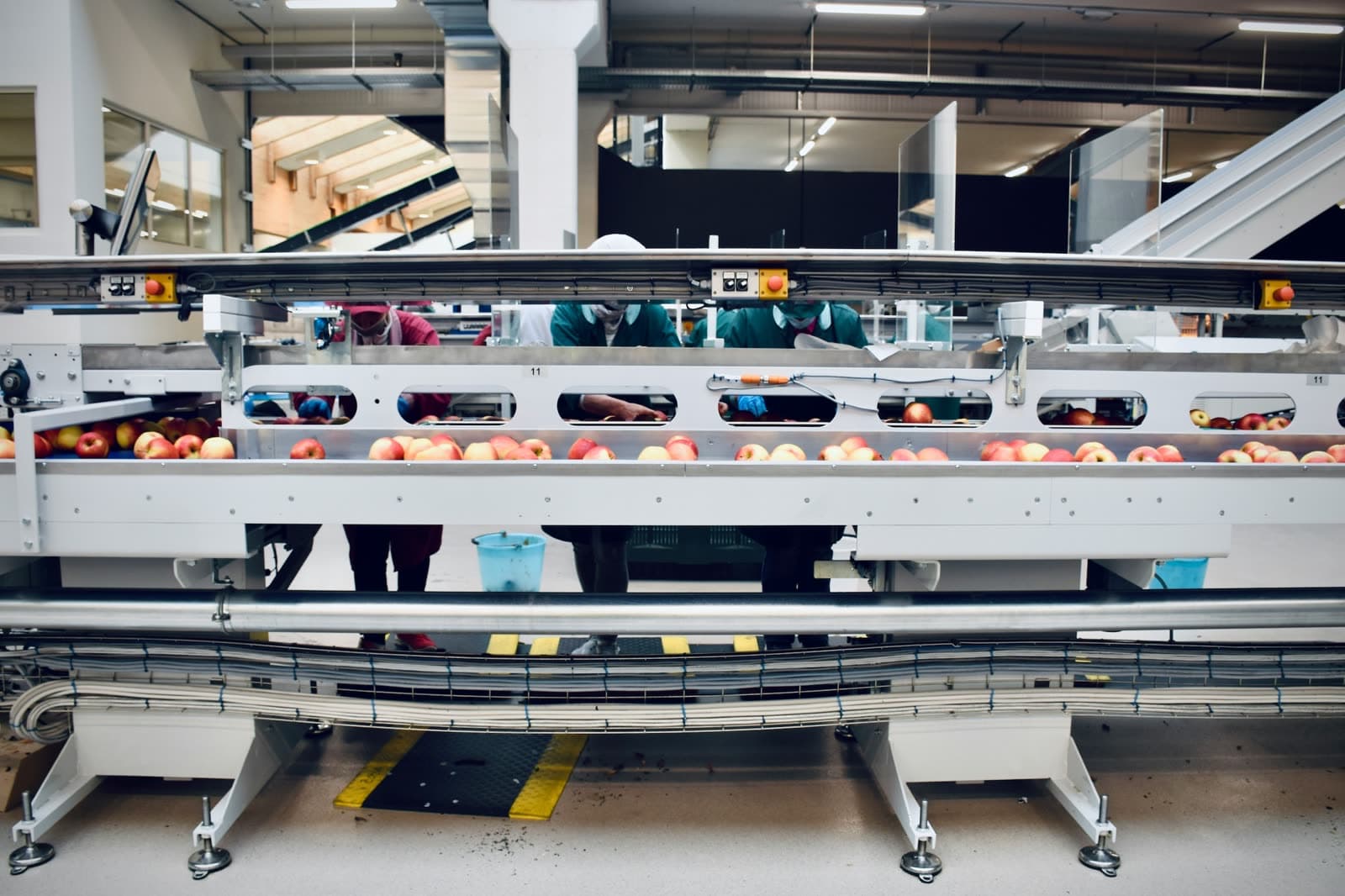
Food and beverage manufacturing
Separate routine process heat from abnormal motor, compressor, conveyor, and panel conditions.
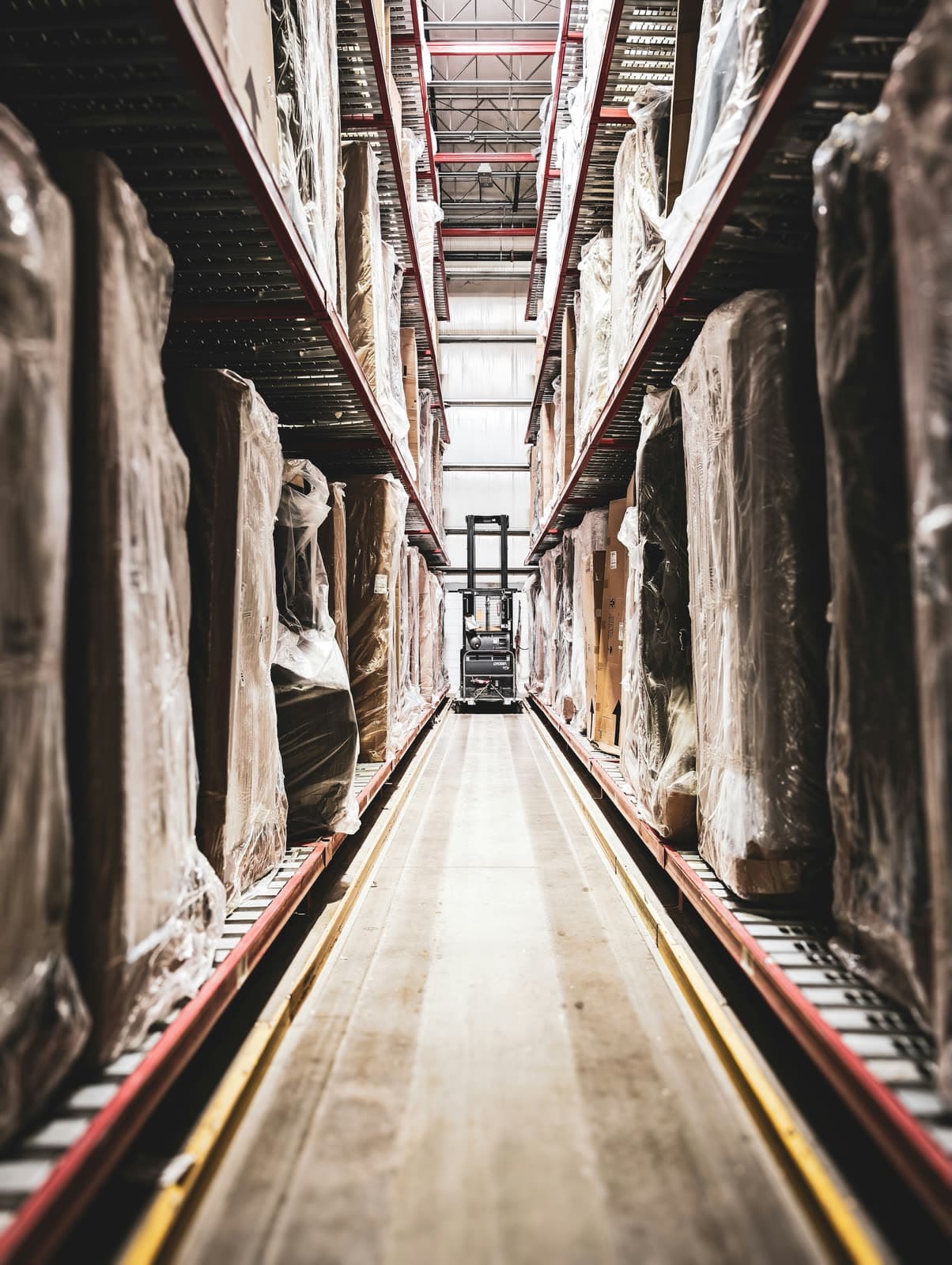
Ports and bulk handling
Filter noisy heat sources across large terminal footprints while keeping attention on events that need response.
FAQ
Questions teams ask before they deploy AVIAN
Is AI thermal anomaly detection the same as predictive maintenance?
It is one practical input for predictive maintenance. AVIAN detects abnormal heat trends on monitored assets, then maintenance teams use that signal to inspect, schedule work, and prevent repeat failures before downtime or fire risk escalates.
Does AVIAN replace smoke detectors or flame detectors?
No. Smoke and flame detectors still matter for life safety and code-required fire detection. AVIAN watches an earlier stage of the event timeline: abnormal surface heat, friction, electrical faults, and process heat before smoke or flame appears.
Does anomaly detection require a new control system?
No. Operators can use AVIAN through a browser, phone, tablet, alerts, and reports. Sites that want automated response can integrate alerts into existing controls, but the anomaly detection workflow does not require a new SCADA workstation.
What kinds of anomalies does AVIAN detect?
Common examples include hot bearings, dragging conveyor belts, overheated motors, loose electrical connections, dust extraction heat, battery and charger heat, and equipment that drifts away from its normal thermal baseline.
Related resources
Condition Monitoring
How continuous thermal monitoring adds a useful condition signal for industrial assets.
Predictive Maintenance
How abnormal heat trends support inspection, repair, and maintenance planning.
Forklift Filtering and Nuisance Alarms
How AVIAN separates routine industrial movement from events that need action.