Biomass, Pellet & Bioenergy Plants
Catch friction, bearing failures, and dust ignition in pellet presses and conveyors before the line goes down
AVIAN delivers continuous thermal monitoring of presses, conveyors, drives, and dust systems — condition-based alerts that turn rising heat into planned maintenance instead of emergency shutdowns or plant fires.
Combustible dust and high-friction equipment are a constant combination
Pellet presses, hammer mills, and conveyors generate friction by design. Add combustible dust, and a routine mechanical failure can escalate to ignition in minutes.
7M+ tons
of US wood pellet exports annually — fire risk has scaled with it
Where one hot component spreads into the material stream
In biomass and pellet operations, a hot component rarely stays isolated for long. The goal is to detect abnormal heat before it spreads into material flow, dust collection, or the rest of the line.
Pellet mill and press friction
Pellet presses and hammer mills run under constant friction. AVIAN flags rising heat at these assets before material buildup or ignition forces an emergency stop.
Bearing and drive failures
A hot bearing on a conveyor or drive can seize, damage the shaft, and shut down the line. Catching the thermal trend early keeps the fix routine.
Conveyor and transfer-point overheating
Transfer points are where friction meets fuel. Heat at a conveyor junction can spread into product flow or surrounding dust before anyone notices.
Dust system ignition paths
Dust collectors and ductwork can carry heat from the process floor into parts of the plant nobody is watching. AVIAN adds a thermal layer before smoldering becomes a duct fire.
Where AVIAN watches
Coverage around the hot equipment and combustible material path
Pellet and biomass plants do not have one risk zone. Heat can start at a press, a dryer, a bearing, or a dust collector, then move through the material stream before anyone sees smoke.
Pellet presses, dies, and rollers
Watch high-friction equipment where pressure, wear, and material buildup can send temperatures above the normal production pattern.
Dryers, coolers, and post-process handling
Track retained heat as material moves from hot process steps into conveyors, bins, and downstream storage.
Conveyors, bearings, motors, and drives
Catch mechanical heat in the moving equipment that keeps biomass flowing through the plant.
Dust collectors, ductwork, and silos
Add an early heat signal around the dust paths where smoldering can travel out of sight.
Before heat enters the fuel stream
Turn rising temperature into a maintenance response
The best response happens while the issue is still local: a hot bearing, an overloaded press, a dryer upset, or a conveyor friction point.
Watch
Cover presses and material flow
Cameras monitor the assets and dust-prone zones where heat usually starts or spreads.
Detect
Find abnormal heat patterns
AVIAN flags persistent heat, re-heating, friction, or temperature drift outside the expected production baseline.
Alert
Route context to operators
Teams receive location-specific thermal and visual context before the event becomes smoke or equipment damage.
Act
Inspect, clean, slow, or stop
Maintenance can remove buildup, inspect bearings, adjust process conditions, or stop equipment before fire risk spreads.
Proof and resources
Field examples and practical guides
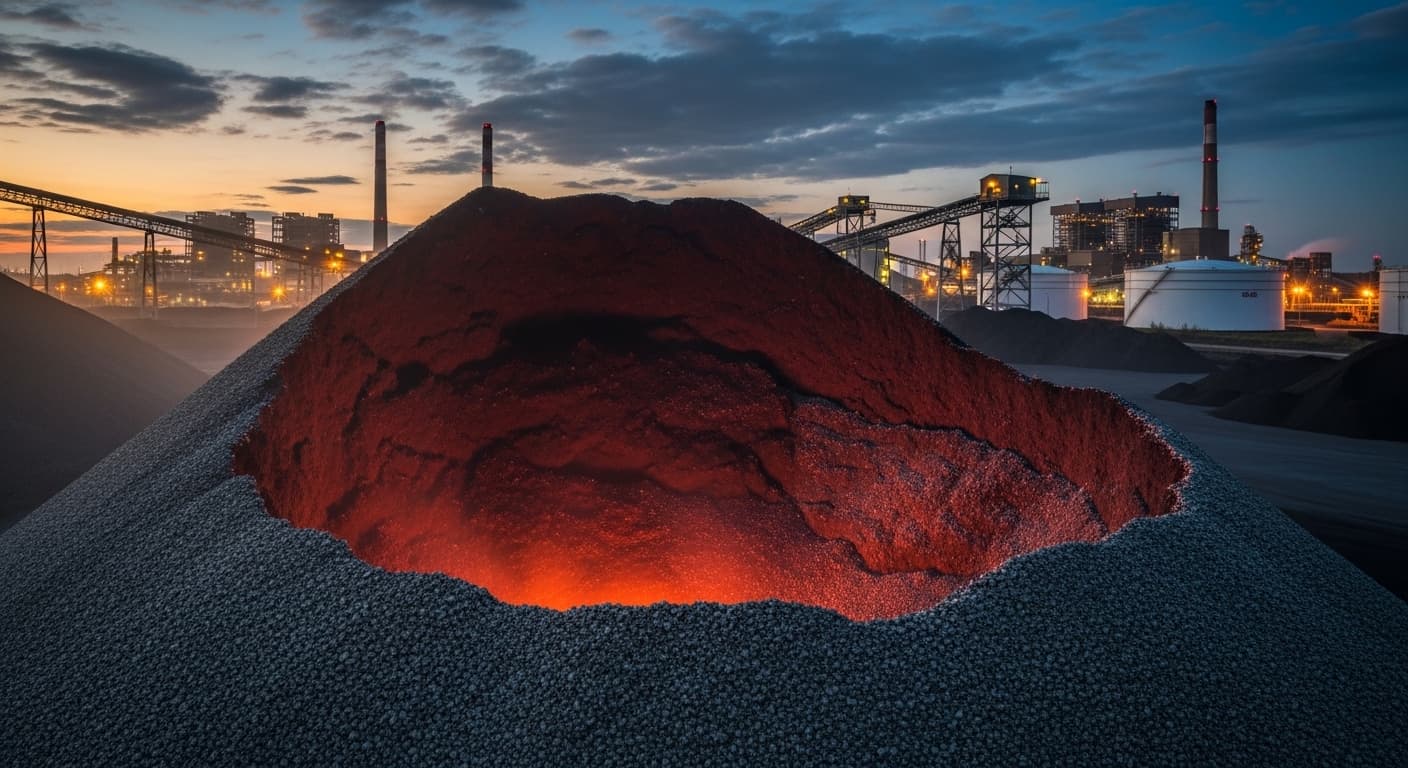
Stockpile Fires: Why Infrared Monitoring Sees Heat First
By the time you see smoke, you're already behind.

Why Smoke Detectors Miss Dust Fires (Infrared Monitoring Wins)
Smoke detectors save lives. In a clean office, they do exactly what you expect.
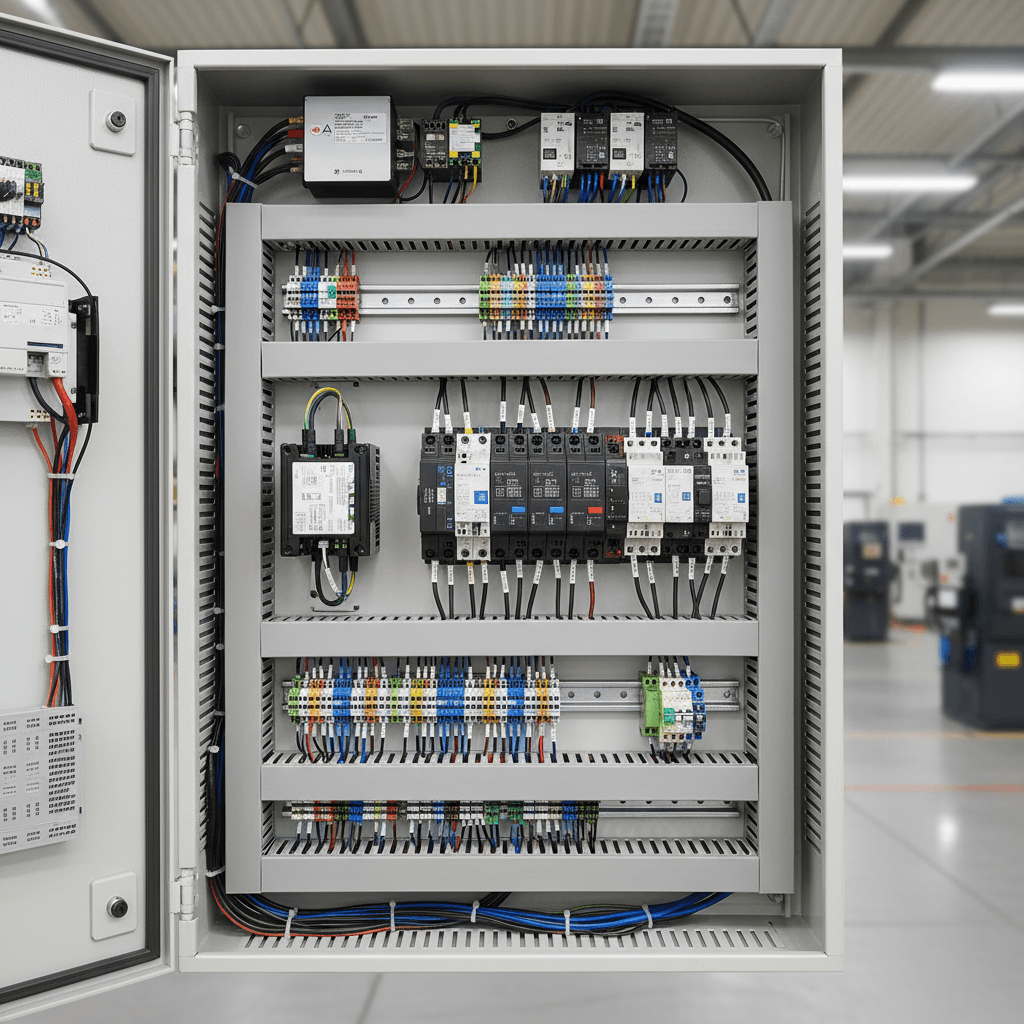
How PLC Auto Stops Work with AVIAN Thermal Cameras
Most autostop conversations start in the wrong place.
Related resources
Stockpile fires and infrared monitoring
How thermal monitoring helps teams see smoldering material and retained heat earlier.
Why dusty facilities need more than smoke detection
A practical guide to catching heat before dust fires produce smoke or flame.
Silo and cyclone fire risk
Where infrared monitoring fits around enclosed material and dust-handling paths.
FAQ
Questions teams ask before they deploy AVIAN
What biomass and pellet assets should be monitored first?
Most plants start with pellet presses, hammer mills, conveyors, transfer points, drives, bearings, dryers, silos, dust collectors, and ductwork where friction and combustible material overlap.
Can AVIAN detect heat before smoke appears?
Yes. AVIAN is designed to alert on abnormal thermal behavior before smoke, flame, or sprinkler activation. It does not replace required fire systems; it adds an earlier warning layer.
Can AVIAN monitor after-hours operation?
Yes. Continuous monitoring is useful during overnight production, cooldown, and lightly staffed periods when manual rounds leave gaps.
Can alerts trigger equipment stops?
Yes, when the site wants that response. PLC integration can connect high-temperature events to alarms, interlocks, or automatic stops based on the plant's procedures.
Our Biomass & Pellet Package
One system across your presses, conveyors, and dust-handling zones.
Built for operators who need earlier warning across high-friction equipment, material flow, and combustible dust environments.
Coverage
Watch presses, transfer points, and the dust-prone areas around them
Thermal cameras are deployed around pellet mills, conveyors, bearings, and dust-handling zones — positioned for the assets most likely to trigger downtime or fire, not a generic layout.
Detection
Spot abnormal heat before it spreads through the material stream
AVIAN tracks thermal patterns in real time across rotating equipment and material flow so rising heat is caught before it becomes visible damage, ignition, or a prolonged outage.
Response
Get alerts your operators can act on during production and after hours
Your team gets setup support, alerting, and ongoing tuning so critical heat events reach the right person fast — whether the plant is fully staffed or running overnight.
Core AVIAN workflows
Go deeper on how AVIAN turns heat into action
AI thermal anomaly detection
How AVIAN spots abnormal heat before it becomes downtime or fire.
Thermal monitoring integrations
How alerts fit operator, maintenance, reporting, and control workflows.
Fire prevention and predictive maintenance
Why the same heat signal supports safety and reliability teams.