01
Trailer Mount
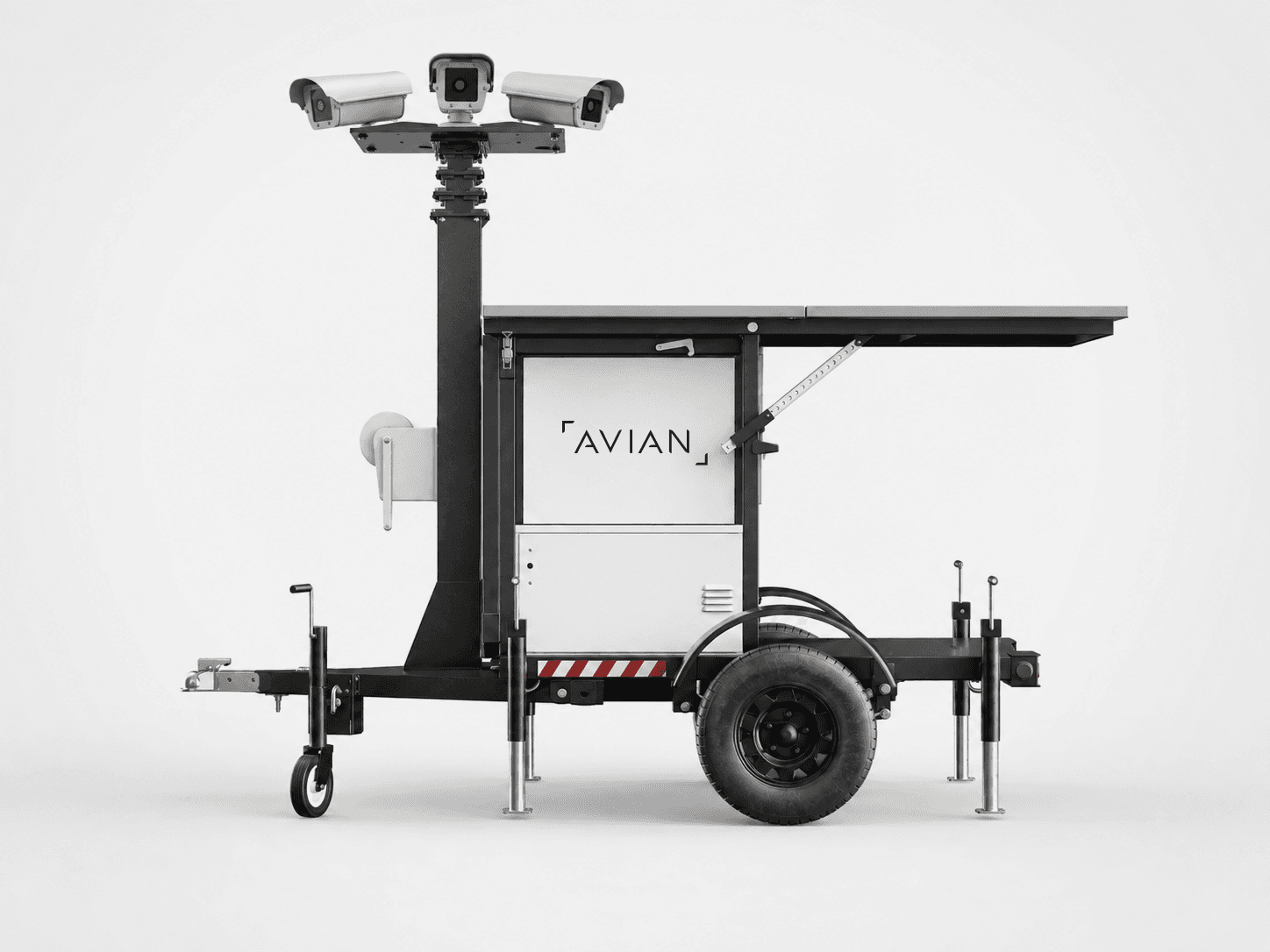
Towable coverage for larger outdoor areas with an included solar panel. Move it by vehicle as the working area, material, or site layout changes.
PORTABLE THERMAL MONITORING
Mobile thermal monitoring for landfill fire detection, construction sites, hot-work fire watch, and other temporary risk areas.
01
Towable coverage for larger outdoor areas with an included solar panel. Move it by vehicle as the working area, material, or site layout changes.
02
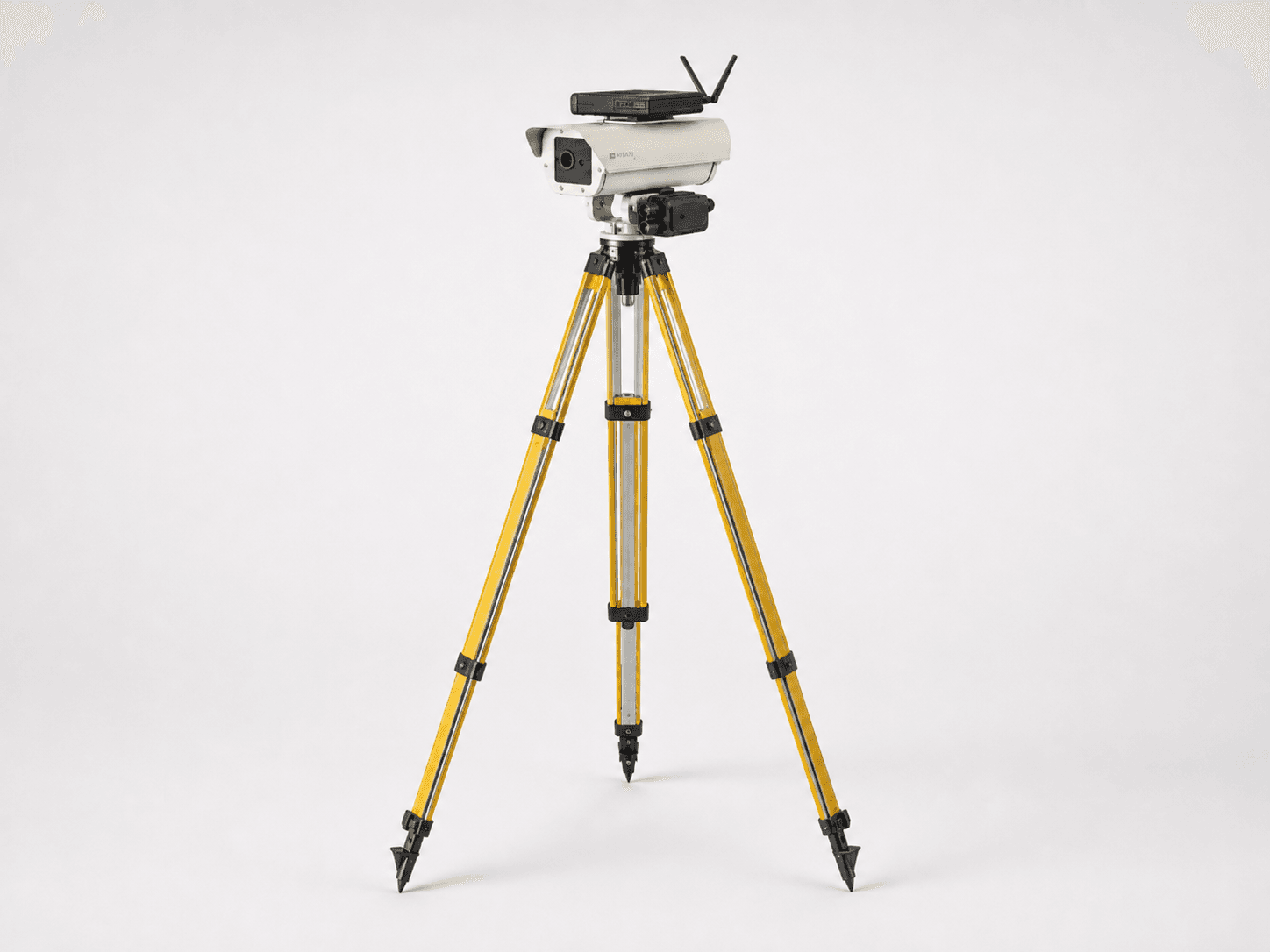
Portable coverage for a specific task or smaller area. Carry it in, set it on stable ground, and move it by hand.
PORTABLE FIRE DETECTION
Move thermal camera coverage as material, work, access routes, and fire-risk areas change over time.
Flight Series cameras can be repositioned as the working face, tipping area, temporary piles, or equipment zones change.
Use portable thermal monitoring around hot work, temporary material storage, charging areas, commissioning work, and other short-term risks that shift as the project progresses.
Position a camera near welding, cutting, grinding, roofing, or other temporary hot work, then move it when the job changes location.
Add short-term coverage around staged materials, equipment trials, shutdown work, incident recovery, or an unexpected monitoring gap.
PORTABLE THERMAL CAMERA OPTIONS
Both mobile thermal camera systems include LTE connectivity, remote viewing, and thermal alerts. The mount determines how the system is positioned and moved.
Use the trailer where the monitored area is broad, outdoors, or expected to move across a site. It includes a solar panel, provides an elevated camera position, and can be relocated by vehicle.
Use the tripod where coverage is localized or the system needs to be carried into position. Its smaller footprint suits temporary work and constrained areas.
BASIC WORKFLOW
Position the trailer or tripod with a clear view of the material, equipment, or work area.
Bring the camera online through LTE without extending the site’s Ethernet or Wi-Fi network.
View the area remotely and receive an alert when the configured thermal conditions are met.
COMMON PLACEMENTS
Monitor the current working face, tipping area, temporary piles, or another changing zone.
Monitor welding, cutting, grinding, and the area after work is complete.
Monitor staged materials, batteries, incoming loads, or temporary stockpiles.
Continue watching an area after an incident, cleanup, or suppression response.
AVAILABLE CONFIGURATIONS
Choose a trailer- or tripod-mounted thermal camera based on the coverage area and how the equipment needs to move.
A towable thermal monitoring platform for larger outdoor areas and sites where coverage changes over time.
Best fit
Landfill working faces, outdoor storage areas, and changing construction zones.
A compact thermal monitoring setup for localized risks, temporary work, and areas reached on foot.
Best fit
Hot work, temporary material storage, maintenance areas, and smaller construction zones.
Select a mount and describe the area. We’ll follow up with configuration and availability information.
PORTABLE THERMAL MONITORING
Mobile thermal monitoring for landfill fire detection, construction sites, hot-work fire watch, and other temporary risk areas.
01
Towable coverage for larger outdoor areas with an included solar panel. Move it by vehicle as the working area, material, or site layout changes.
02
Portable coverage for a specific task or smaller area. Carry it in, set it on stable ground, and move it by hand.
PORTABLE FIRE DETECTION
Move thermal camera coverage as material, work, access routes, and fire-risk areas change over time.
Flight Series cameras can be repositioned as the working face, tipping area, temporary piles, or equipment zones change.
Use portable thermal monitoring around hot work, temporary material storage, charging areas, commissioning work, and other short-term risks that shift as the project progresses.
Position a camera near welding, cutting, grinding, roofing, or other temporary hot work, then move it when the job changes location.
Add short-term coverage around staged materials, equipment trials, shutdown work, incident recovery, or an unexpected monitoring gap.
PORTABLE THERMAL CAMERA OPTIONS
Both mobile thermal camera systems include LTE connectivity, remote viewing, and thermal alerts. The mount determines how the system is positioned and moved.
Use the trailer where the monitored area is broad, outdoors, or expected to move across a site. It includes a solar panel, provides an elevated camera position, and can be relocated by vehicle.
Use the tripod where coverage is localized or the system needs to be carried into position. Its smaller footprint suits temporary work and constrained areas.
BASIC WORKFLOW
Position the trailer or tripod with a clear view of the material, equipment, or work area.
Bring the camera online through LTE without extending the site’s Ethernet or Wi-Fi network.
View the area remotely and receive an alert when the configured thermal conditions are met.
COMMON PLACEMENTS
Monitor the current working face, tipping area, temporary piles, or another changing zone.
Monitor welding, cutting, grinding, and the area after work is complete.
Monitor staged materials, batteries, incoming loads, or temporary stockpiles.
Continue watching an area after an incident, cleanup, or suppression response.
AVAILABLE CONFIGURATIONS
Choose a trailer- or tripod-mounted thermal camera based on the coverage area and how the equipment needs to move.
A towable thermal monitoring platform for larger outdoor areas and sites where coverage changes over time.
Best fit
Landfill working faces, outdoor storage areas, and changing construction zones.
A compact thermal monitoring setup for localized risks, temporary work, and areas reached on foot.
Best fit
Hot work, temporary material storage, maintenance areas, and smaller construction zones.
Select a mount and describe the area. We’ll follow up with configuration and availability information.