Back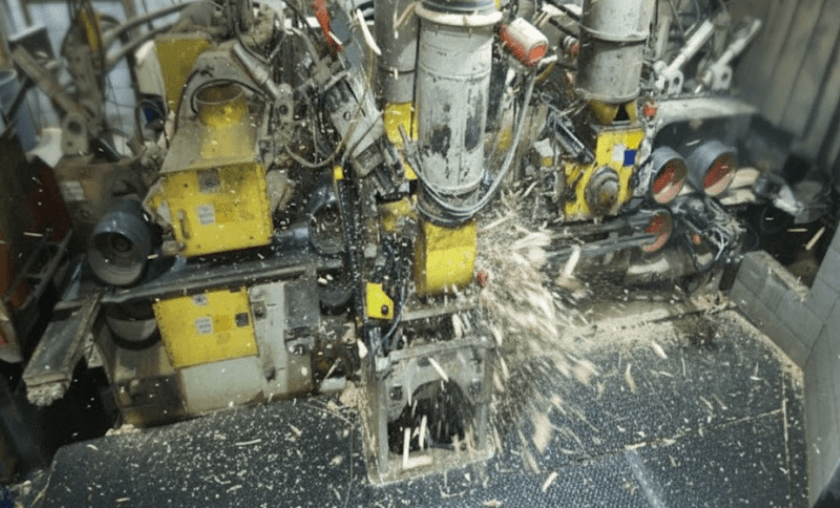
2026-04-25/Drew Hanover
How Sierra Pacific Industries Uses AVIAN Thermal Cameras to Cut Downtime and Reduce Fire Risk
When Sierra Pacific Industries first reached out to AVIAN, the goal was straightforward: monitor baghouses and dust collection equipment at their Quincy, California operation. What happened next is a story about what continuous thermal monitoring actually looks like in practice.
How It Started: Quincy
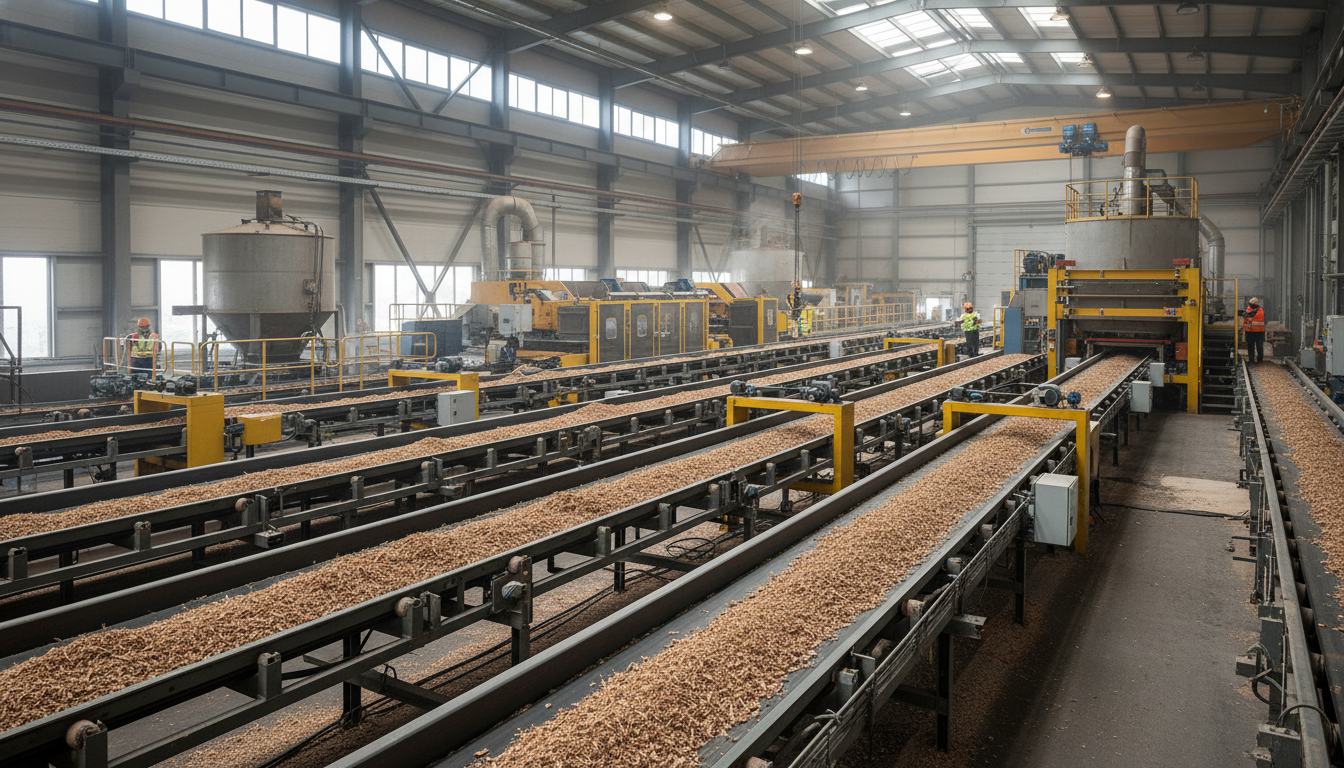
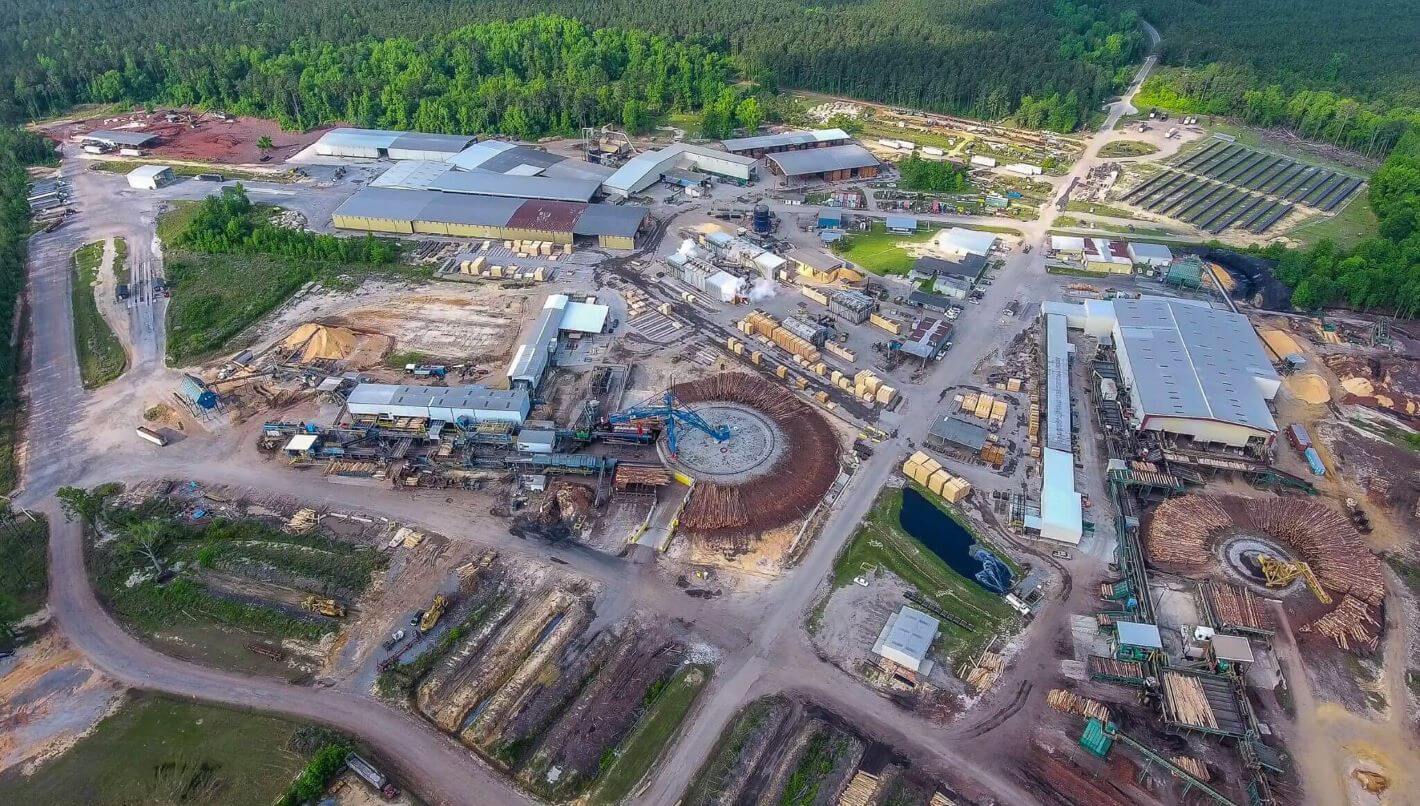
The Quincy mill is an older operation with a large and small log sawmill, as well as a planer mill. AVIAN installed a 6-camera system covering two planers and their dust collection systems. The team at AVIAN and SPI expected to catch fire-risk events in the dust extraction infrastructure. That's what the system was scoped for.
On the first day of monitoring, the AVIAN system flagged an anomaly on an expensive bearing tied to a high-speed planer. Not after a week of trending data. The first day.
The system identified elevated temperatures on the bearing before any mechanical symptom was noticeable to the maintenance crew. SPI scheduled the repair on their terms, on a planned shutdown, without a forced breakdown.
The dry-end superintendent at the Quincy facility put it plainly:
"When we met you at the Timber Processing and Energy Expo, we originally expected to only monitor the baghouses and critical dust collection infrastructure, but it quickly became clear that there were serious maintenance benefits aside from the fire risk reduction."
That observation captures the pattern we see at most operations. The fire risk reduction is real and measurable. But the predictive maintenance value often surprises people.
Why Bearings and Baghouses Both Matter
Planer mills face two distinct risk categories that thermal monitoring addresses simultaneously.
Fire risk is the obvious one. Fine wood dust, high-speed cutting heads, and hot surfaces create conditions where a small ignition source can escalate quickly. Baghouses and dust collection systems are the first line of defense in controlling that dust, which makes their reliability critical. A failed dust extraction blower does not just create a maintenance problem. It allows combustible dust to accumulate in areas where it should not be.
Mechanical failures are less dramatic but often more expensive over time. Bearings in high-speed planers run hard. They heat up gradually before they fail. A bearing that runs 10 degrees above its normal baseline for two weeks is telling you something. Without continuous thermal monitoring, that signal is invisible unless a technician happens to be doing a manual survey at the right time.
AVIAN monitors both risk categories from the same camera system, 24 hours a day, every day.
Technicians at the Quincy facility have been direct in their feedback:
"Experience has been excellent so far, I can't think of anything yet on improvements. The AVIAN team have been doing awesome."
"Found some issues on the Stetson cutter head — thank you. The alerts have been great so far, nothing to complain about."
The Stetson cutter head catch is worth noting. Cutter head issues in a high-production planer room are not subtle failures. They show up as surface quality problems, increased load on the drive system, and elevated heat in the bearing housing. The AVIAN system flagged the temperature trend before the cutter head degraded further, which allowed the crew to schedule a head change instead of dealing with a mid-shift breakdown.
What Happened in Lincoln
The results at Quincy were clear enough that the next SPI mill in Lincoln, California decided to install a system as well.
The Lincoln system has detected dozens of mechanical, electrical, and hydraulic issues across the planer operation. Each catch represents a maintenance event that was handled on a schedule rather than as an emergency breakdown. The system paid for itself well within the first year.
After only three months of monitoring, SPI expanded the original Lincoln system by 30%.
The expansions at Lincoln have included additional cameras to monitor their hog and baghouse systems.
The AVIAN system has caught multiple issues on their Gilbert and Stetson planers including several smoldering fires hardly visible to the naked eye.
2AM on Thanksgiving
The Quincy system detected an auxiliary blower failure on Thanksgiving morning at around 2AM on the baghouses.
Nobody was on the floor. There was no operator to notice a change in the sound of the system or see a warning light. The AVIAN thermal cameras were watching the blower motor and bearing continuously, and when the temperatures moved outside of normal operating range, the system triggered an alert.
With PLC integration, the response can be fully automated. An auxiliary blower failure feeding a baghouse that is handling combustible wood dust is not just a maintenance problem. Left undetected, it creates the exact conditions that lead to baghouse fires and explosions.
The alert on Thanksgiving morning meant the crew knew exactly what had failed before they walked in the door. The repair was targeted, the downtime was controlled, and the baghouse remained protected.
The Mill Manager in Lincoln summed up what the system means for the operation:
"We're really happy to have the system. It's been very beneficial for our maintenance crew and keeping us running."
What This Looks Like in Practice
Across both SPI facilities, the AVIAN system has functioned as a continuous maintenance and fire risk layer that the crew relies on daily. The results fall into three categories:
Fire risk reduction. Baghouses, cyclones, and dust collection equipment are monitored around the clock. Any temperature anomaly in the dust extraction system triggers an alert before conditions reach ignition risk.
Predictive maintenance. Bearings, cutter heads, hydraulic systems, and electrical components are tracked continuously. Heat trends over days and weeks give maintenance crews lead time to plan repairs during scheduled downtime rather than responding to failures.
Operational confidence. When a failure does occur outside of production hours, the system sees it immediately. The Thanksgiving blower failure is a clear example: the maintenance team had actionable information before the workday started.
Sierra Pacific Industries and the Wood Products Industry
Sierra Pacific Industries operates some of the largest lumber and planer mill facilities in the western United States. Their Quincy and Lincoln operations run at production volumes where unplanned downtime carries real cost. Thermal monitoring at that scale is not a nice-to-have. It is the difference between catching a bearing in the first week of monitoring or finding out about it when the machine shuts itself down in the middle of a shift.
The expansion at Lincoln after three months reflects what we hear from most operations that go through a full season of monitoring: the system finds more than expected, the alerts are actionable, and the ROI becomes obvious before the end of the first year.
If you want to understand how continuous thermal monitoring fits into your planer mill or dust collection operation, reach out to the AVIAN team. We will walk through your facility layout and identify the highest-risk points worth watching first.
Drew Hanover
CTO & Co-Founder
Get new AVIAN insights in your inbox
We'll send practical notes on industrial fire prevention, thermal monitoring, and customer learnings. No noise.