Data Centers
Catch UPS battery heat and electrical faults before they take critical systems offline
AVIAN delivers continuous critical asset monitoring across UPS rooms, electrical panels, server halls, and battery infrastructure — condition-based thermal alerts that reach your team before smoke detection, suppression discharge, or unplanned downtime.
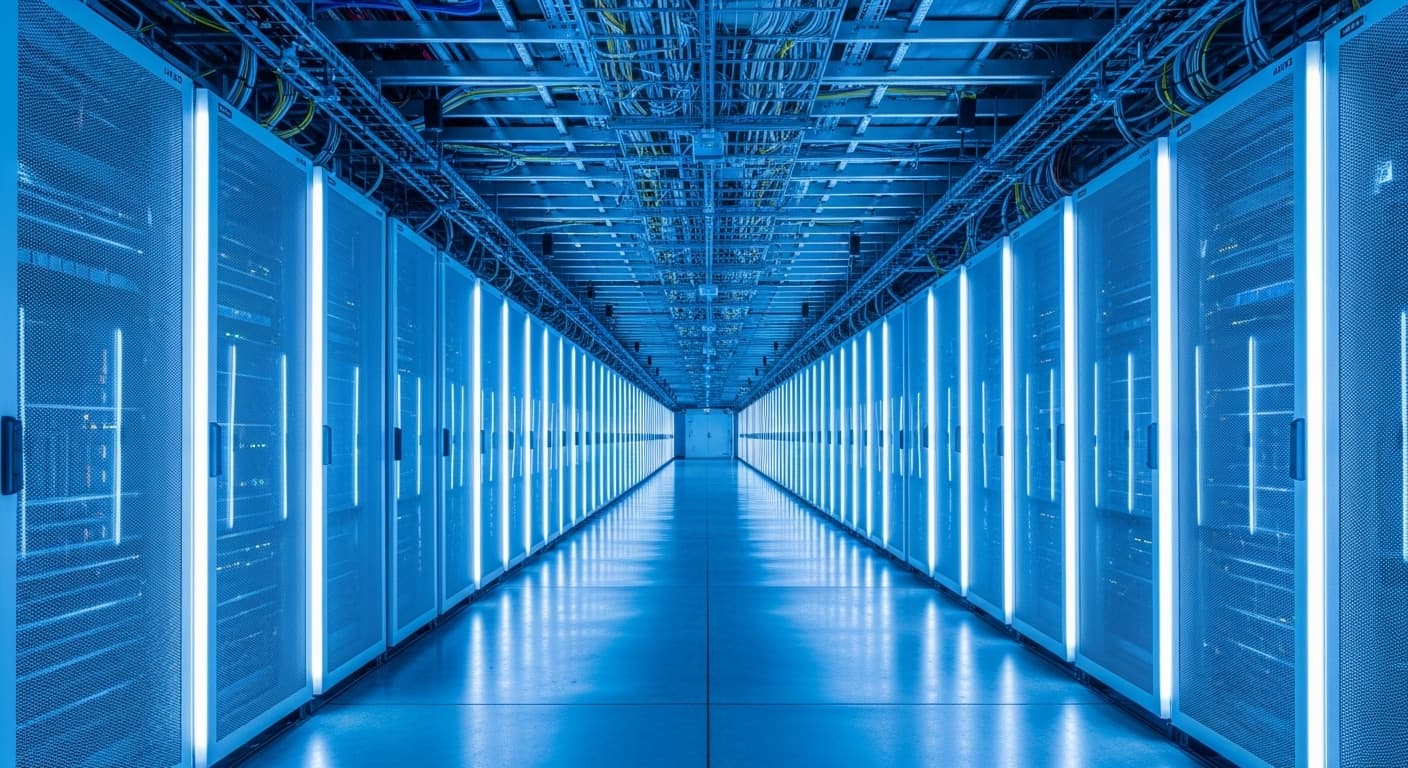
A data center fire quickly becomes a business interruption problem
When OVHcloud's Strasbourg data center burned in 2021, tens of thousands of customers lost access to services and data. The financial losses were severe, and operators continue to face more scrutiny from insurers around battery rooms, electrical infrastructure, and fire risk.
$9,000/min
average cost of data center downtime — Fortune 1000 companies can lose up to $1 million per hour
$24.2B
projected global data center insurance premiums by 2030 — more than double current levels, driven by fire and physical risk
Where a small heat problem turns into downtime, data loss, and insurance exposure
Most data center fires start as heat in places nobody is watching continuously. If the first alert comes from smoke detection or a clean agent release, the event is already expensive.
UPS battery thermal runaway
UPS battery rooms deserve constant attention, especially in facilities running lithium-ion or aging VRLA systems. A single cell can go into runaway and spread across a string if the heat is not caught early. AVIAN helps teams see abnormal battery-room heat before it becomes smoke, suppression discharge, or permanent damage.
Electrical panel and switchgear faults
Loose connections, overloaded breakers, and aging switchgear generate heat long before they trip or arc. Electrical failures are among the most common sources of data center fires and are particularly dangerous because faults develop slowly in rooms that are not continuously watched by personnel.
Cooling system failures and hot-aisle overheating
A failed CRAC unit or blocked airflow path can send rack temperatures climbing in minutes. High-density AI and GPU clusters operate at power densities that leave almost no margin for cooling excursions. AVIAN provides continuous thermal coverage of hot aisles and cooling infrastructure so anomalies are caught before equipment shuts down or ignites.
Fire suppression discharge — the hidden outage risk
A clean-agent release can take equipment offline even when the fire stays limited. Earlier thermal confirmation gives operators another chance to verify the event before the room is discharged.
Where AVIAN watches
Thermal visibility beyond the rack temperature dashboard
Data center heat risk often starts outside the server telemetry view: battery rooms, switchgear, cable paths, and cooling equipment that need continuous visual thermal evidence.
UPS rooms and battery strings
Monitor battery cabinets, strings, and room-level heat behavior for abnormal temperature rise or uneven cooling.
Switchgear, panels, PDUs, and cable trays
Catch loose connections, overloaded circuits, and electrical hotspots before they arc, trip, or trigger smoke response.
Hot aisles and high-density compute zones
Add thermal context around GPU clusters, airflow problems, and zones where cooling margin is thin.
Cooling and mechanical infrastructure
Watch CRAC units, pumps, motors, and supporting equipment for thermal drift before a cooling fault becomes an outage.
Before downtime or discharge
Give facilities teams a thermal signal they can verify
The goal is to investigate abnormal heat while the room is still online, before the first useful signal is smoke, suppression, or failed equipment.
Watch
Cover critical support rooms
Cameras monitor UPS, electrical, cooling, and high-density compute zones continuously.
Detect
Flag abnormal heat
AVIAN identifies rising battery heat, electrical hotspots, cooling failures, and thermal asymmetry.
Alert
Route evidence to the right team
Facilities, operations, and risk teams get thermal and visual context for faster investigation.
Act
Inspect before escalation
Teams can isolate equipment, dispatch electricians, adjust cooling, or document the event before outage risk grows.
Proof and resources
Field examples and practical guides
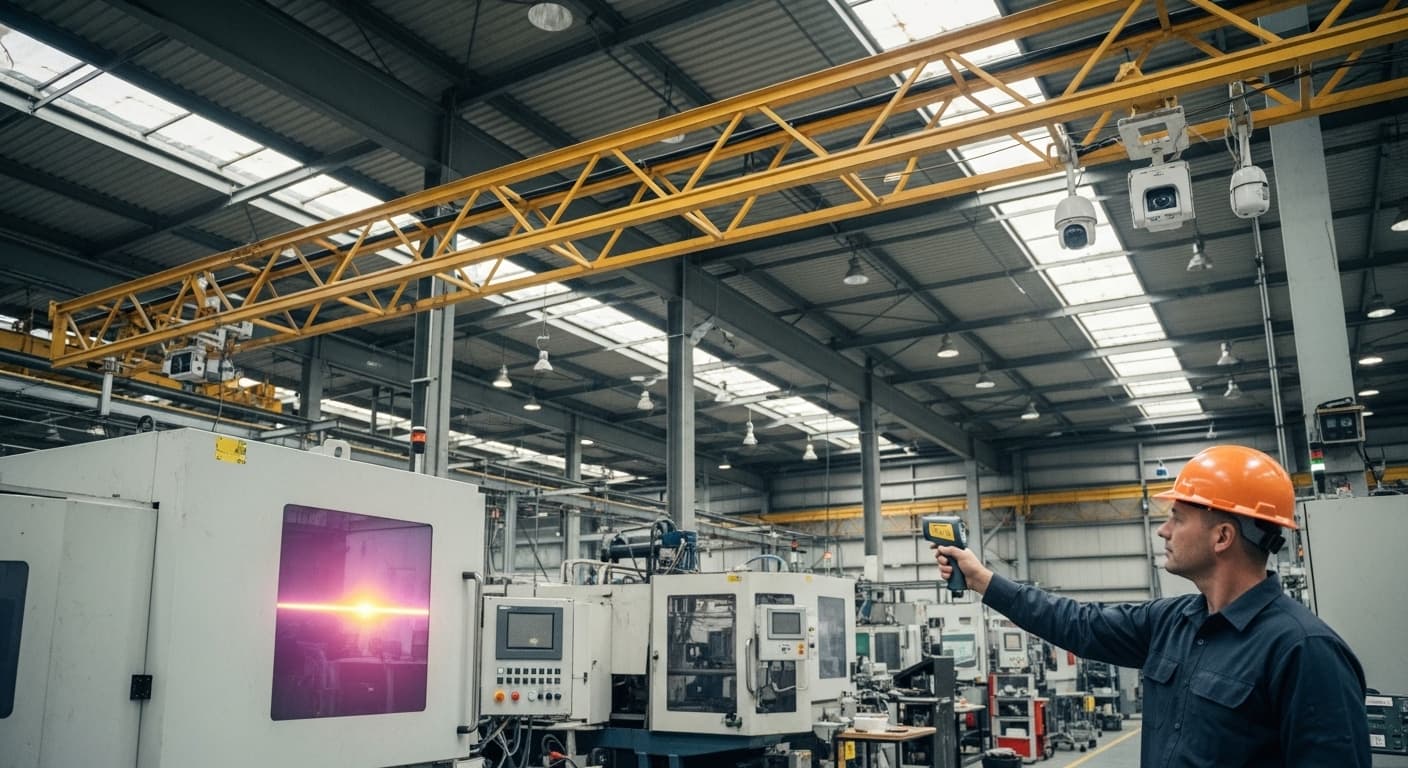
Handheld FLIR vs. Fixed Thermal Monitoring
"We already have FLIR."
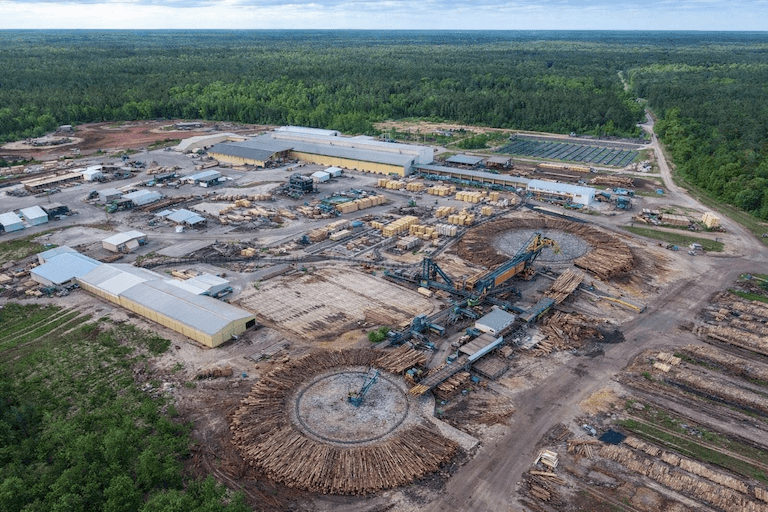
FLIR vs. AVIAN for Industrial Thermal Monitoring
If you're looking into thermal monitoring for your facility, you've probably come across FLIR. They're the biggest name in thermal imaging, and for good reason. They make excellent cameras.
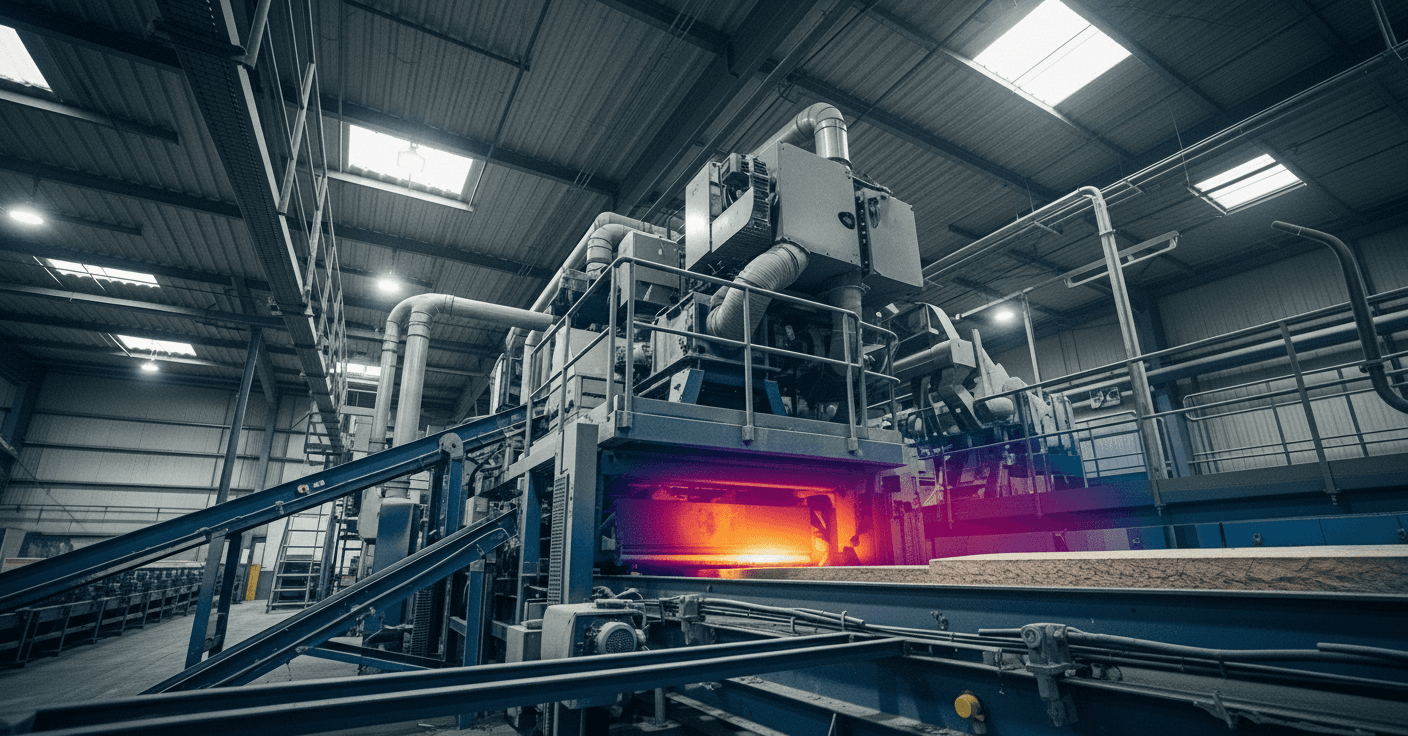
Why AVIAN Is Different from Other Industrial Thermal Cameras
"We already have thermal cameras."
Related resources
Why spot monitoring is not enough
Why continuous thermal monitoring matters for critical assets that cannot wait for manual rounds.
Fire alarm camera vs thermal monitoring camera
How early thermal monitoring differs from later-stage fire alarm imaging.
How to monitor BESS with infrared cameras
Battery monitoring lessons that apply to UPS rooms and energy storage areas.
FAQ
Questions teams ask before they deploy AVIAN
Where should data centers deploy thermal monitoring first?
The highest-priority zones are UPS rooms, battery strings, switchgear, electrical panels, PDUs, hot aisles, cooling infrastructure, and other rooms where abnormal heat can cause downtime or fire risk.
Does AVIAN replace fire detection or clean-agent suppression?
No. Fire alarms and suppression remain in place. AVIAN adds an earlier thermal signal so teams can investigate before smoke detection, clean-agent discharge, or outage escalation.
Can AVIAN monitor battery rooms continuously?
Yes. AVIAN can monitor battery rooms and UPS areas for abnormal heat patterns, retained heat, or rising temperatures that should be reviewed before they become a safety event.
Can alerts support facilities, operations, and risk teams?
Yes. Alerts and event records can be routed and reviewed by operations, facilities, safety, and insurance-facing teams as part of a documented response workflow.
Our Data Center Package
One system covering the rooms and equipment where data center heat problems start
Built for operators who need earlier warning on battery heat, electrical faults, and cooling problems, with thermal records that are useful for internal review, insurers, and auditors.
Coverage
Cover UPS rooms, electrical panels, battery strings, and server halls across the facility
Thermal cameras are positioned across UPS battery rooms, switchgear, PDUs, hot aisles, and cooling infrastructure — focused on the zones where thermal events start, not just where smoke is eventually detected.
Detection
Catch battery thermal trends and electrical hot spots before smoke detectors or suppression systems activate
AVIAN tracks thermal behavior across your critical infrastructure so a rising battery temperature, stressed panel, or cooling problem is flagged while your team can still investigate it without taking the room offline.
Response
Give operations and risk teams clear thermal evidence they can act on
Alerts can be routed quickly, events can be documented clearly, and coverage can be tuned over time so operators, facilities teams, and insurers have a reliable record of what happened and when.
Core AVIAN workflows
Go deeper on how AVIAN turns heat into action
AI thermal anomaly detection
How AVIAN spots abnormal heat before it becomes downtime or fire.
Thermal monitoring integrations
How alerts fit operator, maintenance, reporting, and control workflows.
Fire prevention and predictive maintenance
Why the same heat signal supports safety and reliability teams.