False Alarm Optimized Detection
Keep thermal alarms focused on events that need action
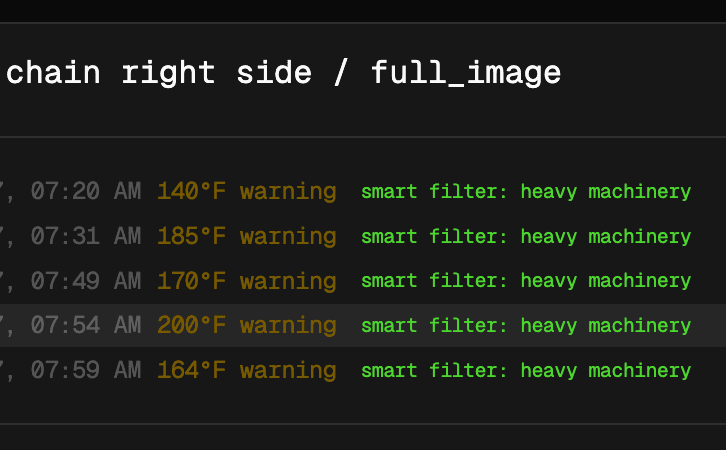
Industrial heat is noisy. Forklifts, loaders, welding, grinders, hot product, sunlight, and normal machine cycles can all look urgent to a basic threshold alarm. AVIAN filters routine heat sources so operators can trust the alarms that remain.
Signal pipeline
- Thermal scene
- Known heat source
- Context check
- Nuisance filter
- Actionable alarm
The false alarm problem
A noisy alarm system becomes easier to ignore
False alarms are not just inconvenient. They train operators to hesitate, slow down response, and question the system when a real event appears. In industrial facilities, alarm quality matters as much as detection speed.
How AVIAN filters noise
Detection tuned for facilities where hot work is normal
AVIAN separates routine industrial activity from abnormal heat by combining camera context, learned thermal behavior, zone design, and filtering models trained across live industrial environments.
- Layer 01
Forklift and loader filtering
Moving equipment can pass through a camera view all day. AVIAN identifies common thermal and motion patterns from forklifts and loaders so routine traffic does not flood the alarm queue.
- Layer 02
Welding and hot-work awareness
Welding sparks, grinders, maintenance work, and other planned heat sources are treated differently from sustained abnormal heat on monitored assets or material piles.
- Layer 03
Baseline-aware thresholds
Temperature limits adapt to the normal behavior of each zone and asset, reducing false alarms from expected process variation while keeping attention on real thermal drift.
“I can be anywhere in the mill, or even sitting at home”
I can be anywhere in the mill, or even sitting at home and get an alert from AVIAN and I know it’s time to act immediately.
“Condition-Based Thermal Monitoring at Sierra Pacific Mills”
“AVIAN gives us a new kind of security”
We can send our employees home at the end of their shift with peace of mind, because we know that the critical areas in our company are reliably monitored.
“How Schilliger Holz and Blumer Lehmann Restored Peace of Mind”
“I’d argue it’s probably one of the best technologies as far as fire safety is concerned”
We had a gearbox that was overheating in our dust shed. Thanks to the alerts from AVIAN, we changed the oil in the gearbox and brought it back under normal operating conditions.
“From Pilot to Prevention: How Chinook Wood Products Uses AVIAN”
From the field
Recent case studies
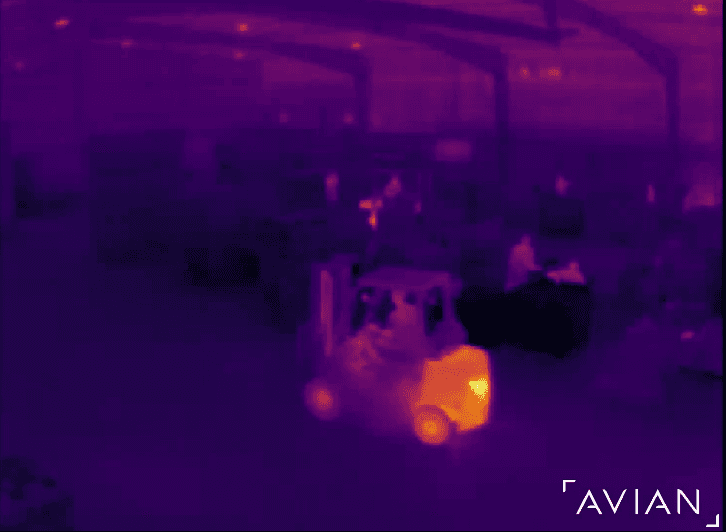
Forklift Filtering: Eliminating Thermal Camera False Alarms
False alarms are one of the biggest challenges in industrial fire prevention. In facilities with constant movement—like sawmills, recycling plants, or manufacturing sites—everyday equipment such as forklifts and front...
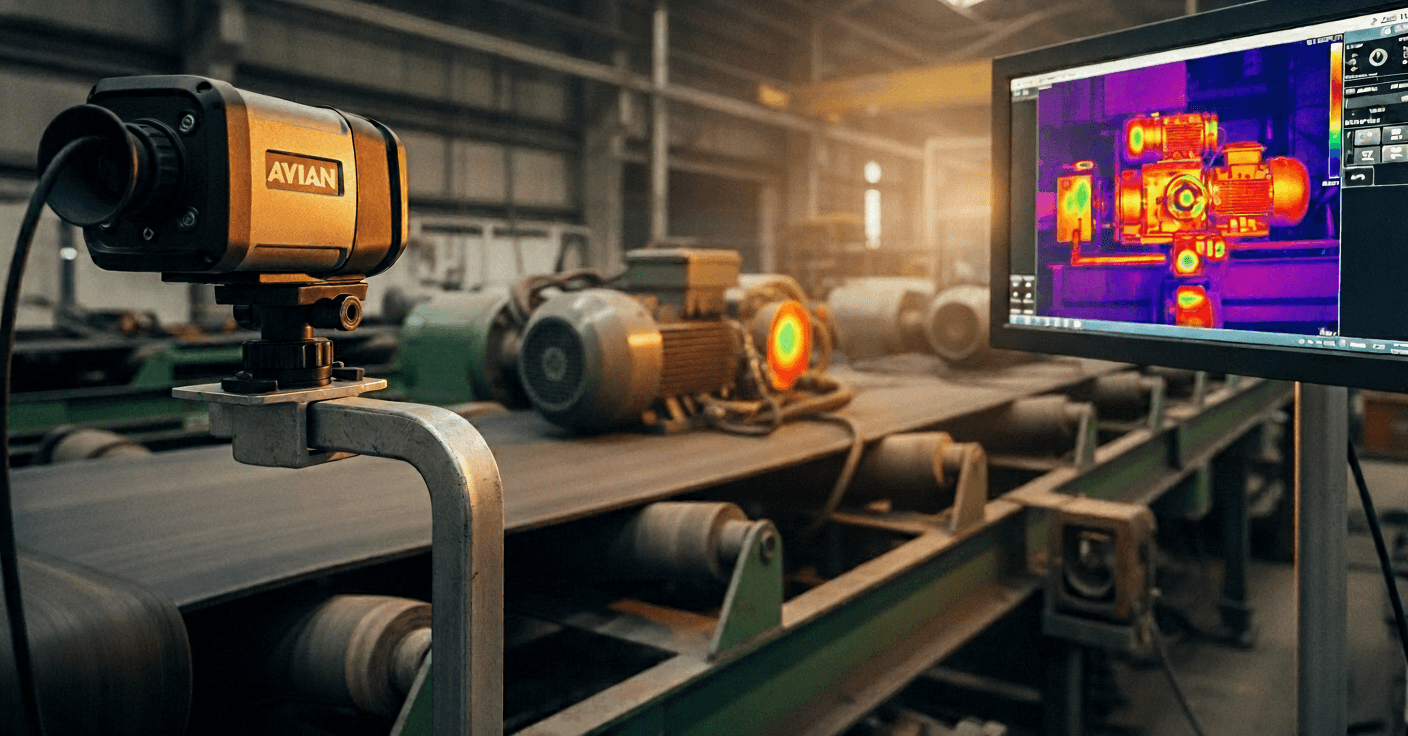
What Is Condition-Based Monitoring With Thermal Imaging?
Most industrial equipment fails the same way. It runs hot before it stops.
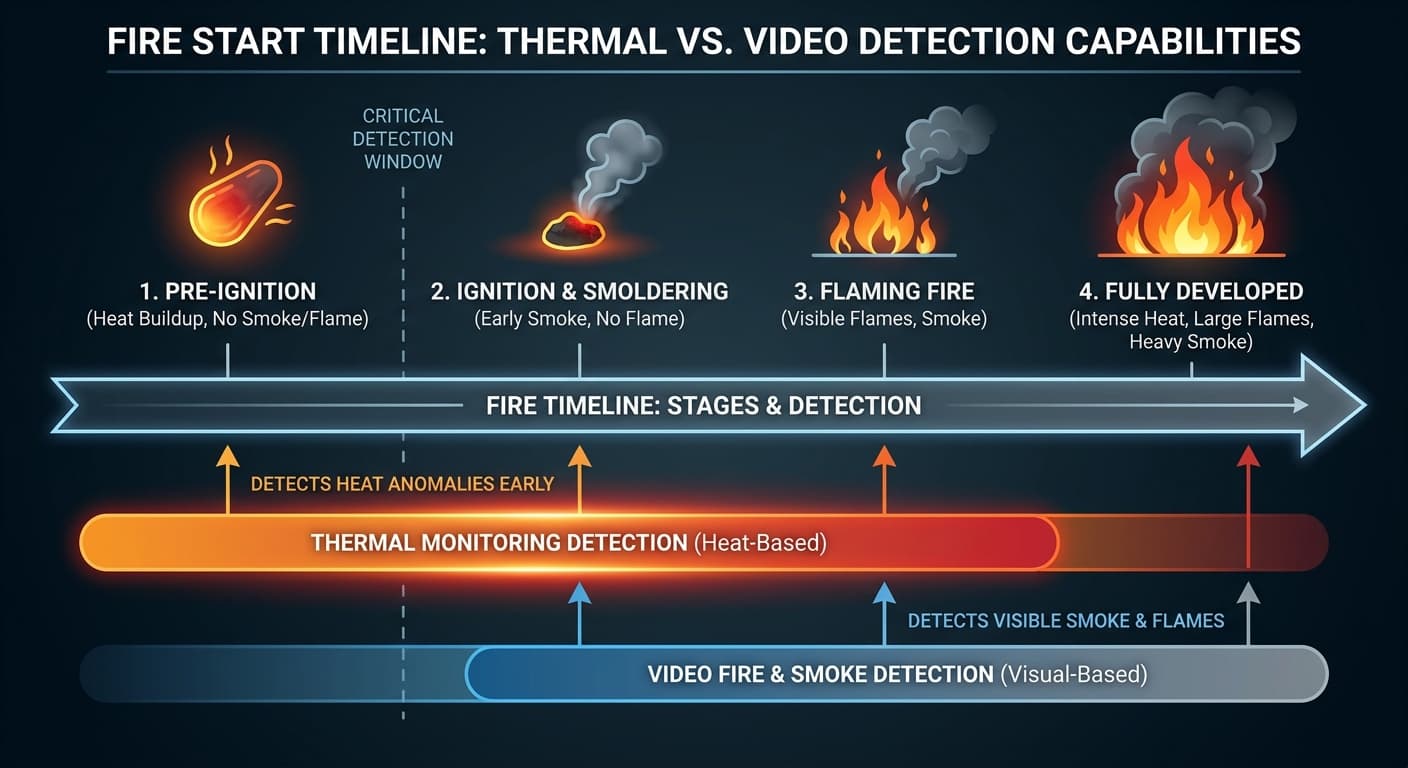
Fire Alarm Camera vs. Thermal Monitoring Camera
A fire alarm camera is usually a camerabased detection system that looks for visible signs of fire. It watches for smoke, flame, or both, then sends an alarm when the software decides the scene looks like a real fire ...
Where it applies
The industries this capability supports
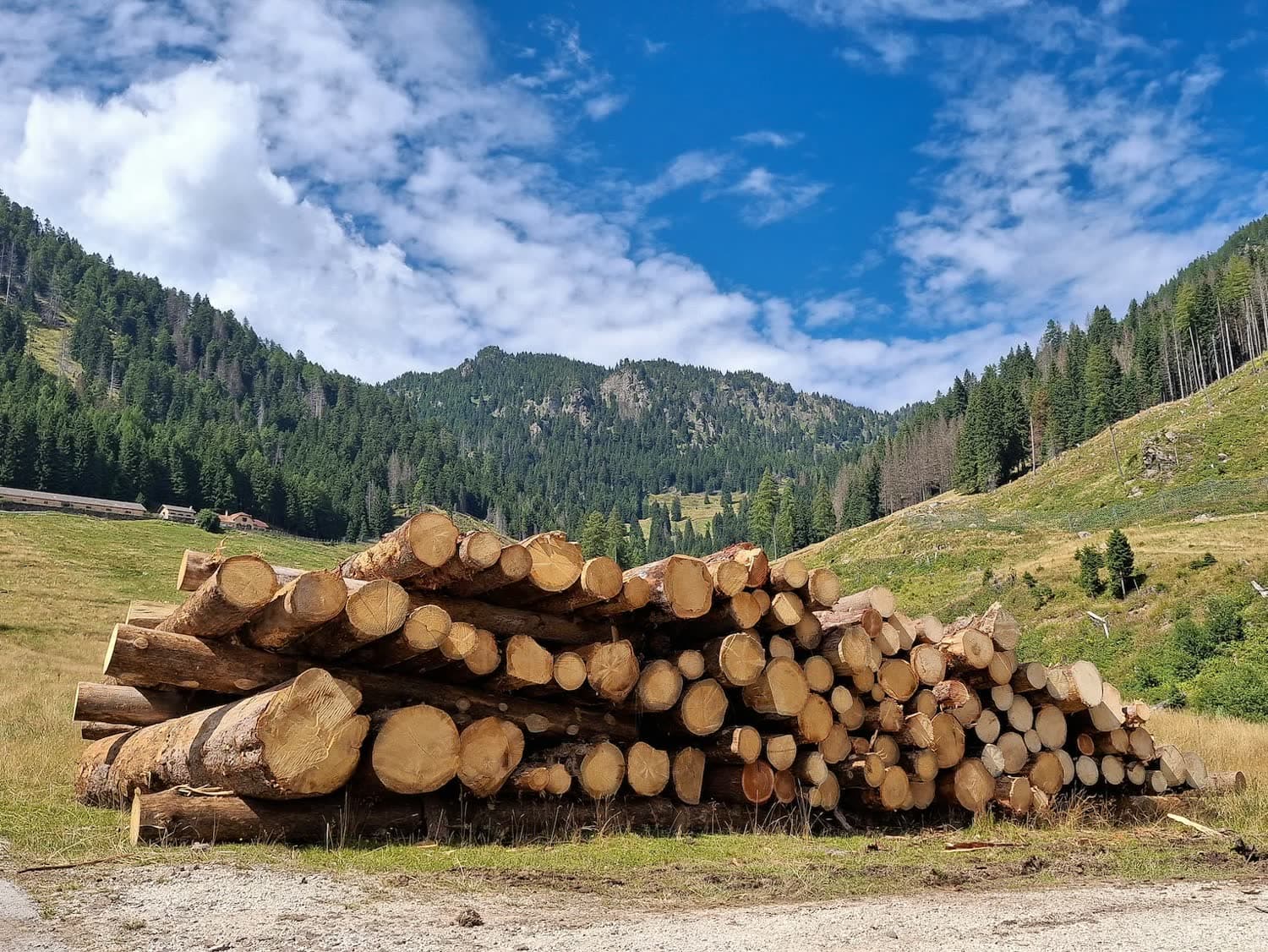
Sawmills and planer mills
Filter forklifts, hot work, saw-line heat, and expected process activity while catching friction, dust-system, and machinery events.
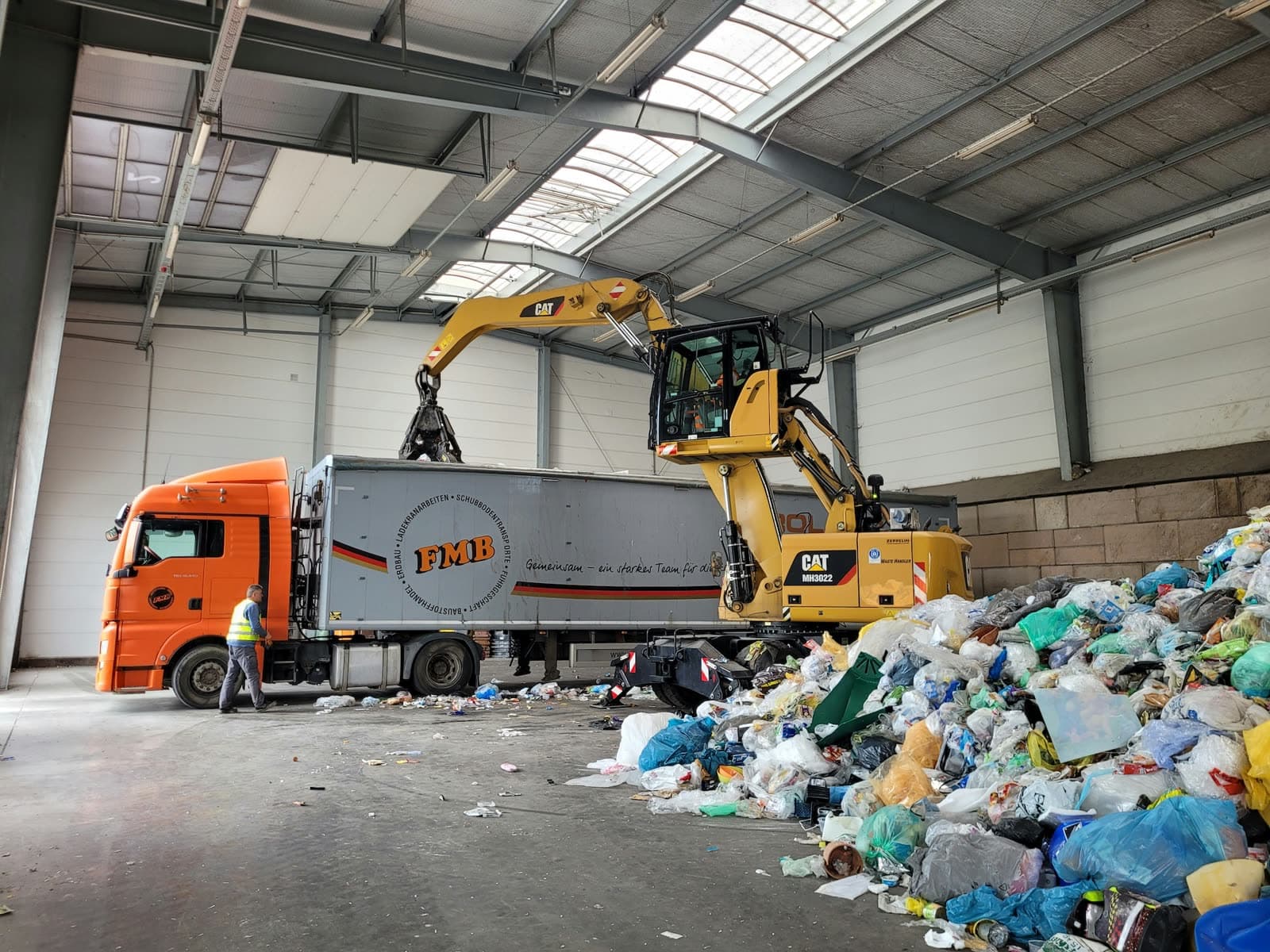
Recycling and waste
Reduce nuisance alerts from loaders, moving piles, and hot equipment while watching for battery events and smoldering material.
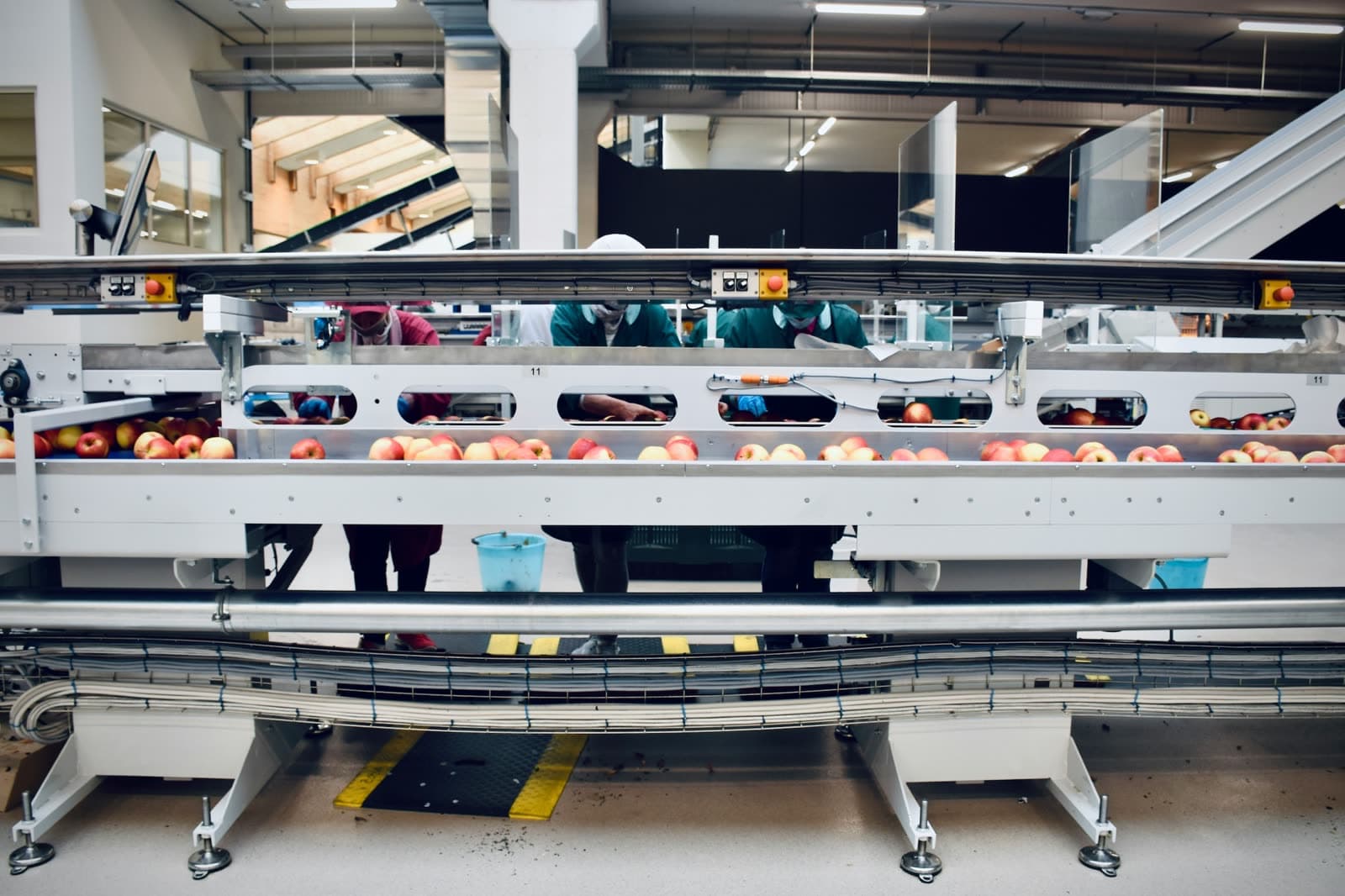
Food and beverage manufacturing
Separate expected process heat from abnormal motors, compressors, conveyors, panels, and maintenance activity.
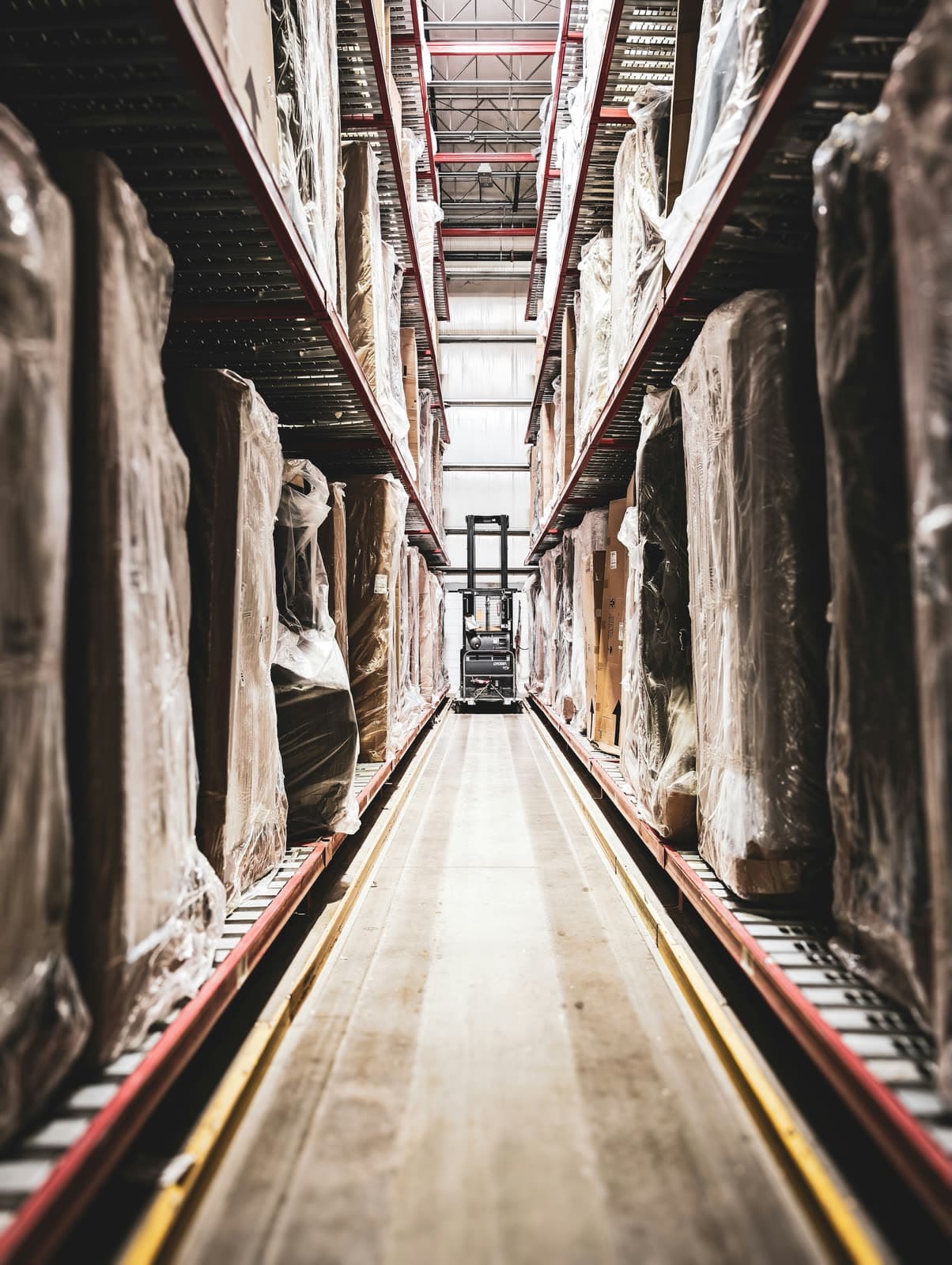
Ports and bulk handling
Keep alarms meaningful across large yards where loaders, trucks, conveyors, sunlight, and dust create noisy thermal scenes.

Biomass and pellet plants
Filter normal process heat around presses, dryers, conveyors, and maintenance work while watching for abnormal friction or dust-system heat.
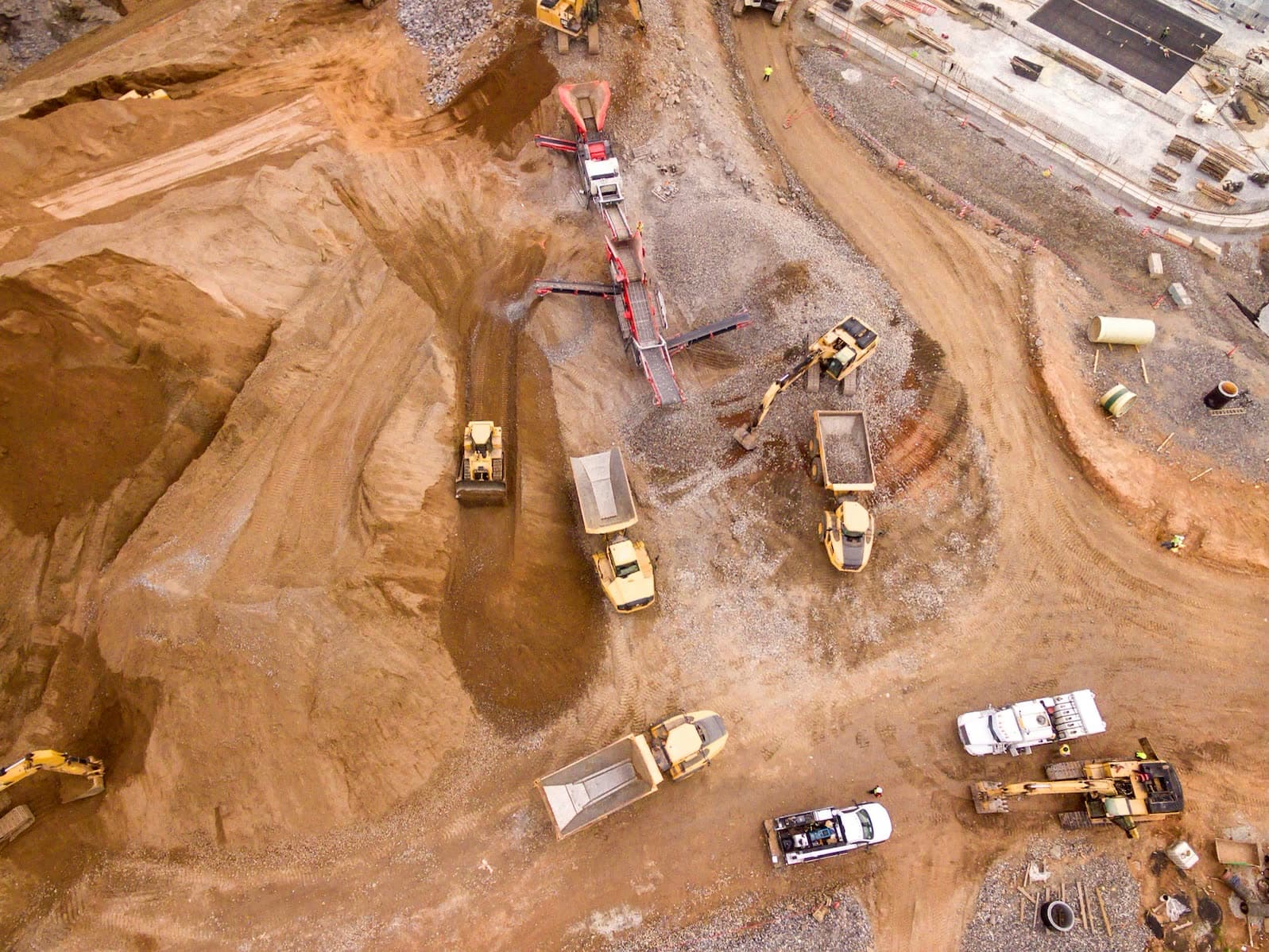
Mining conveyors
Reduce false alarms around mobile equipment and outdoor conditions while monitoring long conveyors, idlers, drives, and transfer points.
FAQ
Questions teams ask before they deploy AVIAN
What does false alarm optimized detection mean?
It means AVIAN is designed to keep alarms useful in real industrial scenes. The system looks at thermal data, visible context, zones, learned baselines, and known nuisance patterns before escalating an event to the team.
How does AVIAN avoid alarms from forklifts and loaders?
AVIAN recognizes the heat and motion patterns common to forklifts, loaders, and other moving equipment, then filters those routine events so operators are not paged every time normal traffic crosses the camera view.
Can AVIAN filter welding and hot work?
Yes. Welding sparks, hot work, grinding, and temporary maintenance activity can create intense heat signatures. AVIAN uses scene context and filtering logic so those activities do not automatically become high-temperature alarms.
Does reducing false alarms make the system less sensitive?
The goal is the opposite. False alarm optimization lets the system stay sensitive to abnormal heat because the routine sources of nuisance alerts are handled separately from real fire, equipment, and process events.
Related resources
AI Thermal Anomaly Detection
How AVIAN learns normal thermal behavior and flags abnormal heat before it becomes downtime or fire risk.
Forklift Filtering and Nuisance Alarms
The product update behind AVIAN's forklift and loader filtering capability.
Fire Alarm Camera vs Thermal Monitoring Camera
Why false alarm rejection works differently for video fire detection and thermal monitoring.