Thermal Runaway Detection
Find abnormal battery heat before it becomes the event
Thermal runaway risk is not only a battery problem. It is an operations problem: heat can start in a cell, spread through a pack, ignite surrounding material, or reappear after crews think the incident is over. AVIAN gives teams continuous thermal evidence where line of sight can change the response.
Application
Watch
Monitor battery risk zones
Detect
Flag abnormal heat
Verify
Check thermal and RGB context
Act
Route the response
Line of sight
is the key rule for fixed thermal detection: AVIAN watches the surfaces, material streams, cabinets, racks, vehicles, and post-event zones where abnormal battery heat becomes visible.
Why thermal runaway is different
Waiting for smoke or flame means the battery event is already moving
Battery failures do not always follow a clean timeline. Some begin internally. Some vent gas before heat is obvious. Some create a sudden thermal spike on a conveyor. Some appear controlled and then reheat. A useful detection strategy needs multiple signals and a response path that starts before people are searching for visible fire.
Lithium-ion failures can create heat, gas, smoke, flame, explosion risk, toxic byproducts, and reignition hazards.
BMS data, off-gas detection, smoke detection, suppression, ventilation, and thermal monitoring each cover different parts of the failure timeline.
Thermal cameras need line of sight, but they give operators visual evidence of surface heat, spread, cooling, and residual hotspots.
Fast routing matters because the right response may be isolation, shutdown, cooling, suppression, evacuation, or extended watch.
What our customers say
Industrial teams use AVIAN to catch heat problems before they become downtime or fire risk
“I’d argue it’s probably one of the best technologies as far as fire safety is concerned”
We had a gearbox that was overheating in our dust shed. Thanks to the alerts from AVIAN, we changed the oil in the gearbox and brought it back under normal operating conditions.
“From Pilot to Prevention: How Chinook Wood Products Uses AVIAN”
“We can now adjust our machines in real time—without shutting them down”
Temperature changes become immediately visible with the AVIAN system, allowing us to react without delay. This kind of predictive maintenance greatly increases technical availability.

“Every planer mill should have an AVIAN system”
I can’t think of a reason why anyone wouldn’t want to install it.
“Why Charles Ingram Says Planer Mills Need AVIAN”
Where AVIAN helps
A thermal layer for battery risk zones
AVIAN is built for the places where abnormal battery heat becomes operationally visible: moving material, parked vehicles, battery rooms, BESS surfaces, electrical gear, and post-incident monitoring zones.
Battery heat signatures
Detect localized hot spots, uneven cabinet or rack heating, overheated chargers, and abnormal surface temperature against the surrounding baseline.
Event verification
Give operators thermal and RGB context so they can see whether heat is isolated, spreading, cooling, or turning into visible smoke or flame.
Layered safety fit
Use thermal monitoring alongside BMS, off-gas, gas, smoke, suppression, ventilation, SCADA, and emergency response procedures.
From abnormal heat to safer action
Detect, verify, and route the battery event quickly
The goal is not to make one sensor do every job. The goal is to make battery heat visible soon enough that teams can act with context.
Watch
Monitor battery risk zones
Thermal cameras watch visible surfaces, material streams, racks, vehicles, chargers, cabinets, and post-event areas continuously.
Detect
Flag abnormal heat
AVIAN compares the heat event against normal scene behavior and highlights localized or persistent temperature anomalies.
Verify
Check thermal and RGB context
Teams can see whether the event is a single hot object, a spreading battery event, equipment heat, smoke, flame, or residual heat.
Act
Route the response
Alerts can trigger investigation, isolation, conveyor stops, charger shutdown, suppression handoff, evacuation, or extended monitoring.
Where it applies
Built around the assets where heat changes the outcome
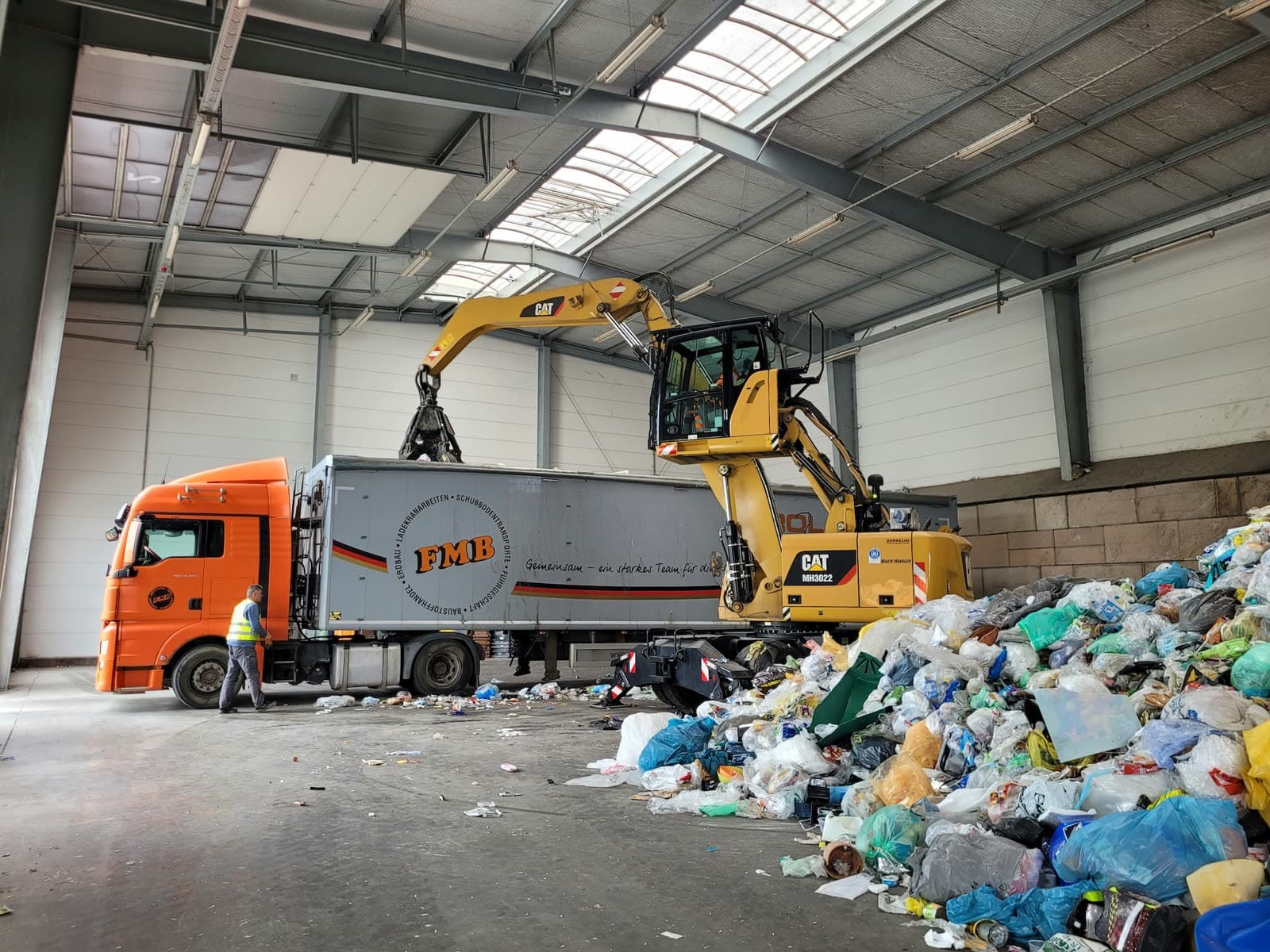
Recycling and waste
Catch battery events in tipping floors, conveyors, bunkers, bale storage, and outdoor piles.
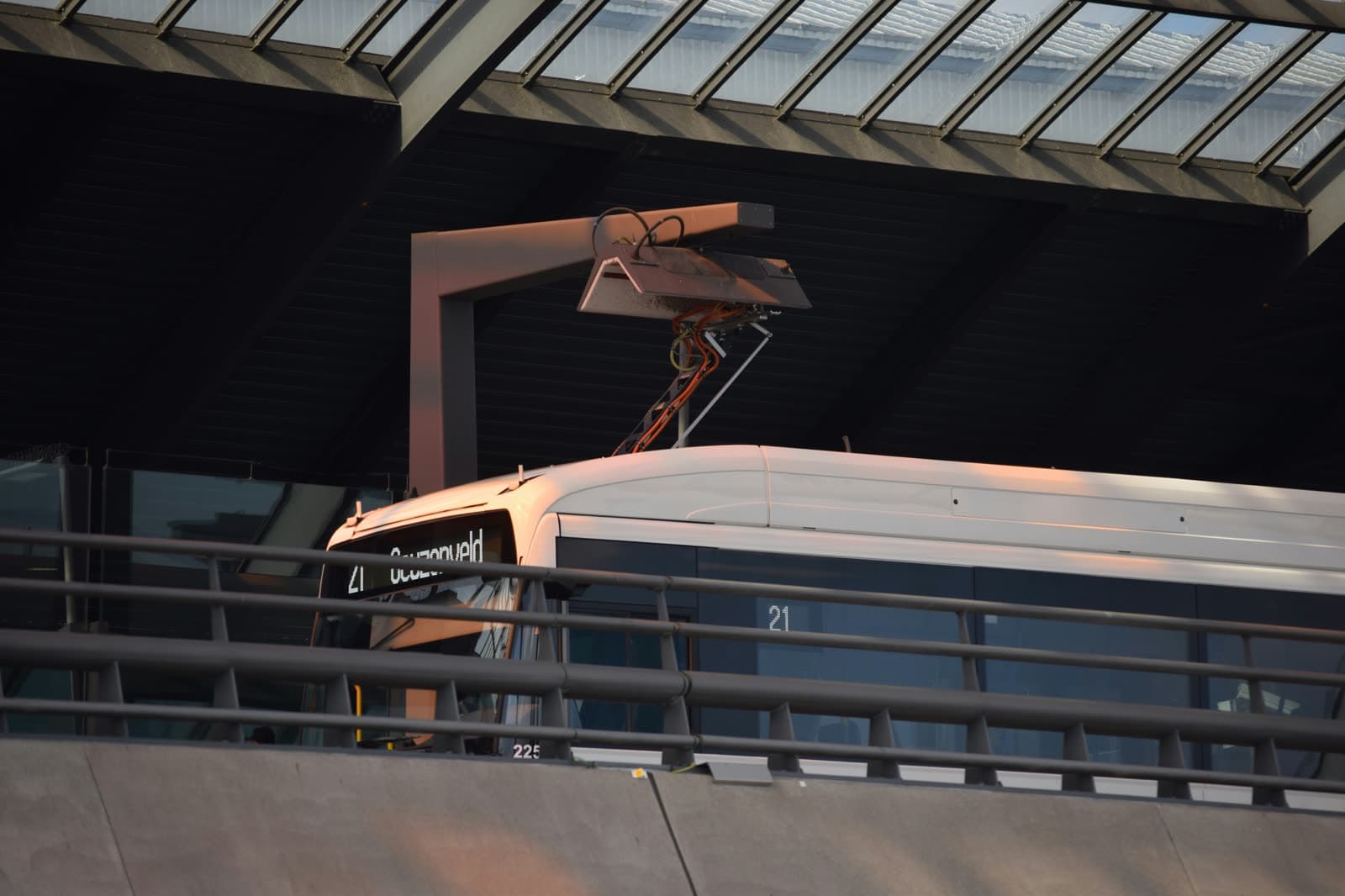
Electric bus depots and fleet charging
Watch parked vehicles, chargers, cables, cabinets, and overnight charging areas for abnormal battery heat.
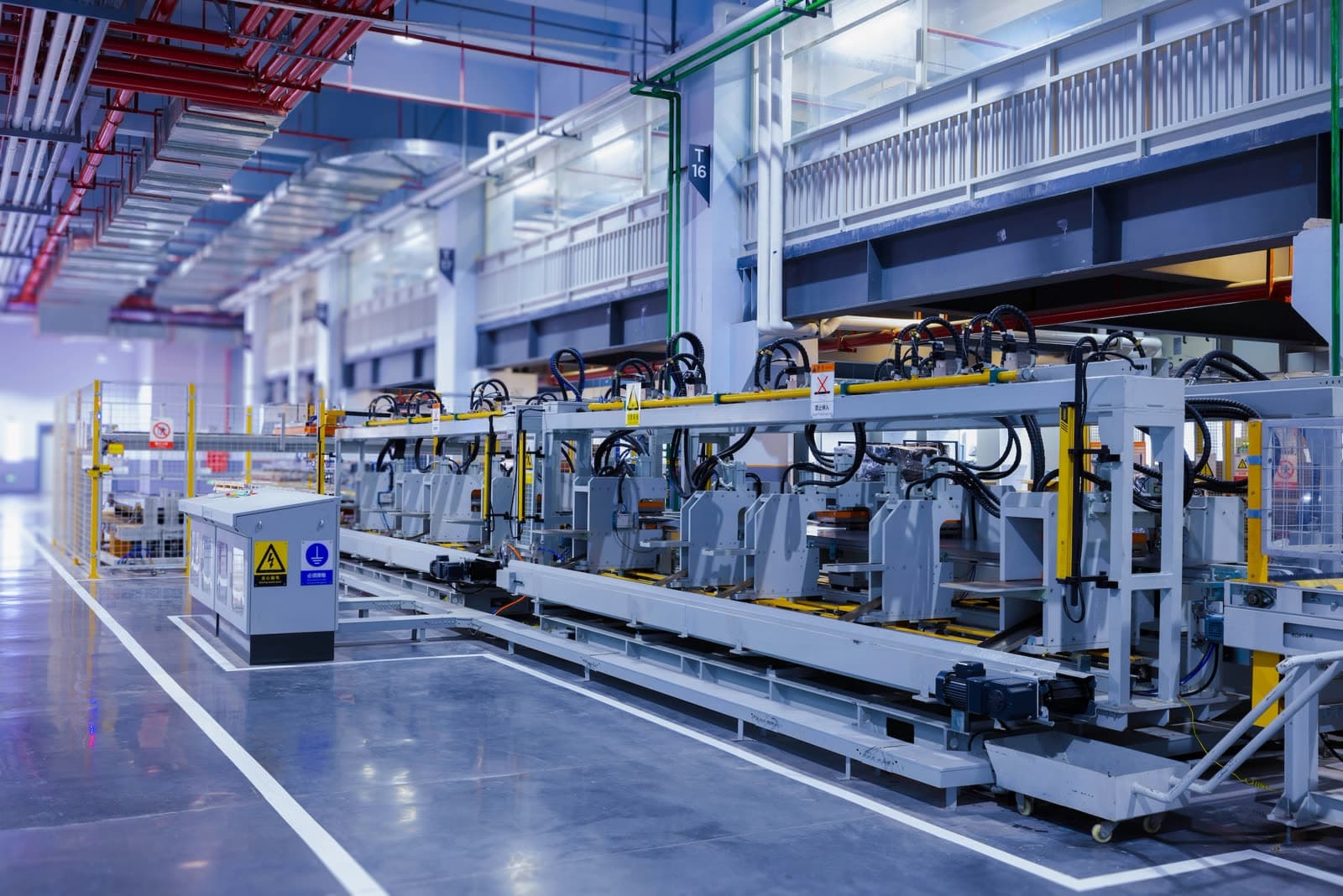
Data centers
Monitor UPS rooms, battery strings, electrical equipment, and cooling-related heat risk.
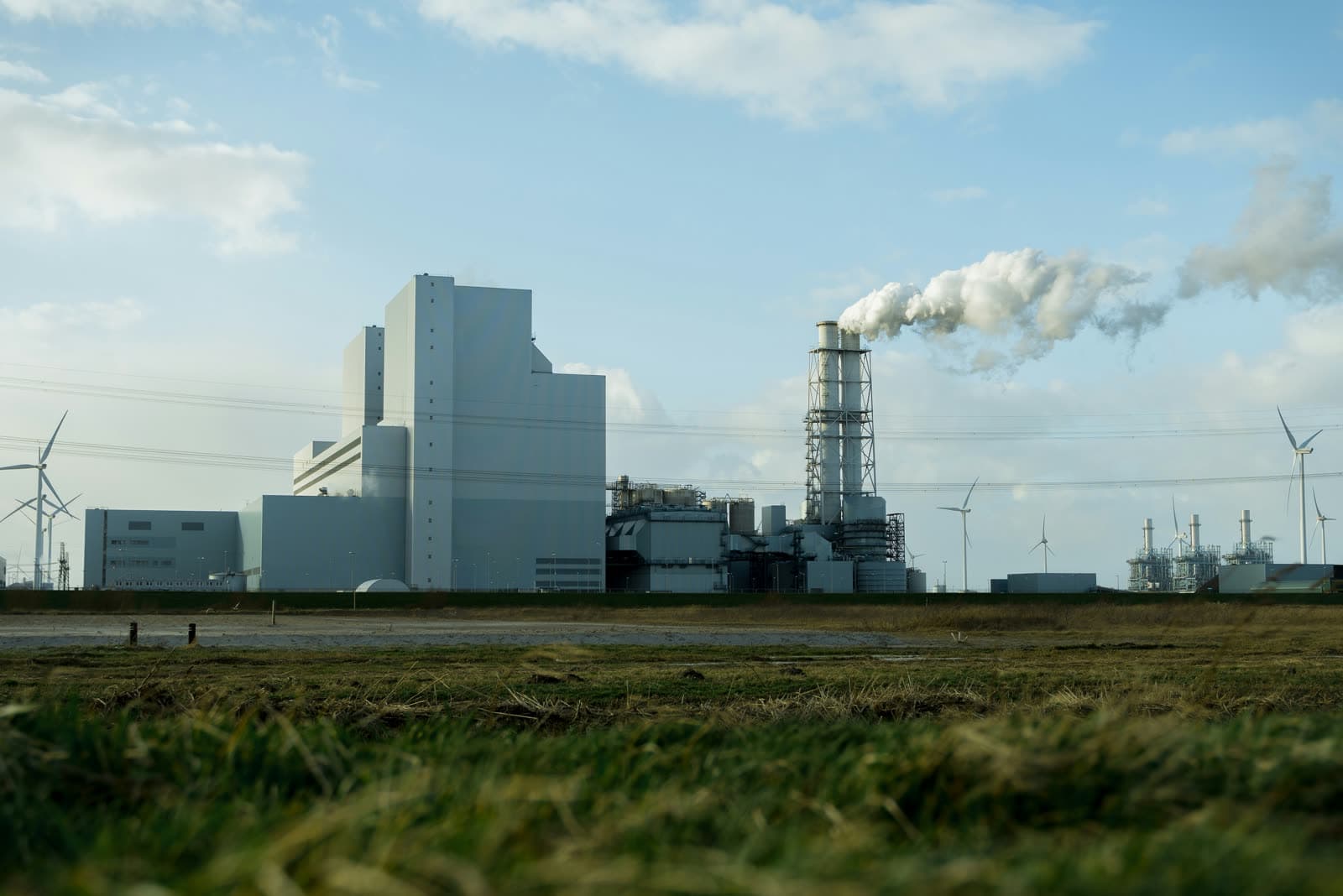
Lithium refining and battery materials
Track retained heat, re-heating, cooldown zones, and material handoff areas.
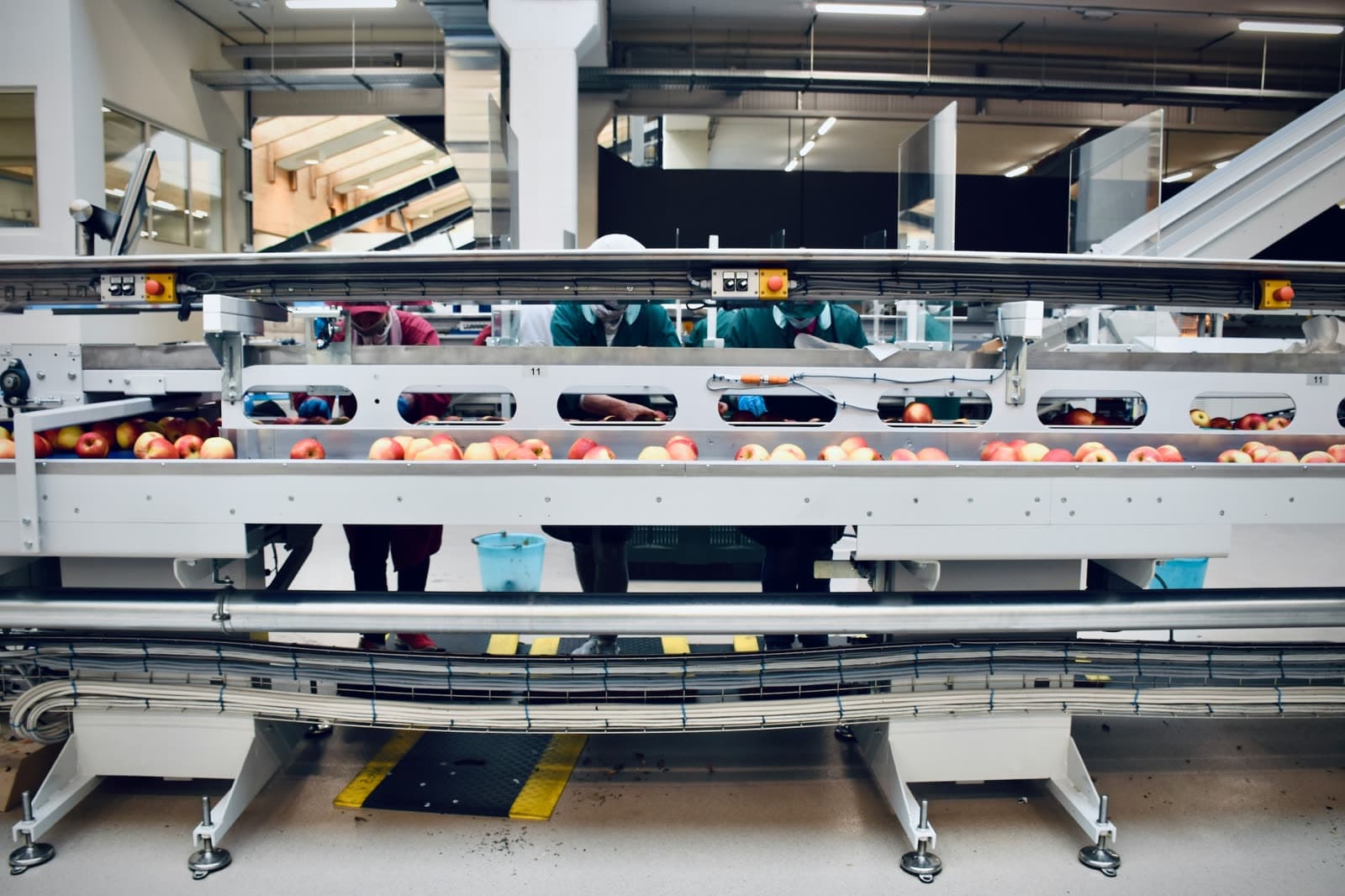
Food and beverage manufacturing
Add thermal visibility around battery charging areas, electrical rooms, and automated material handling zones.
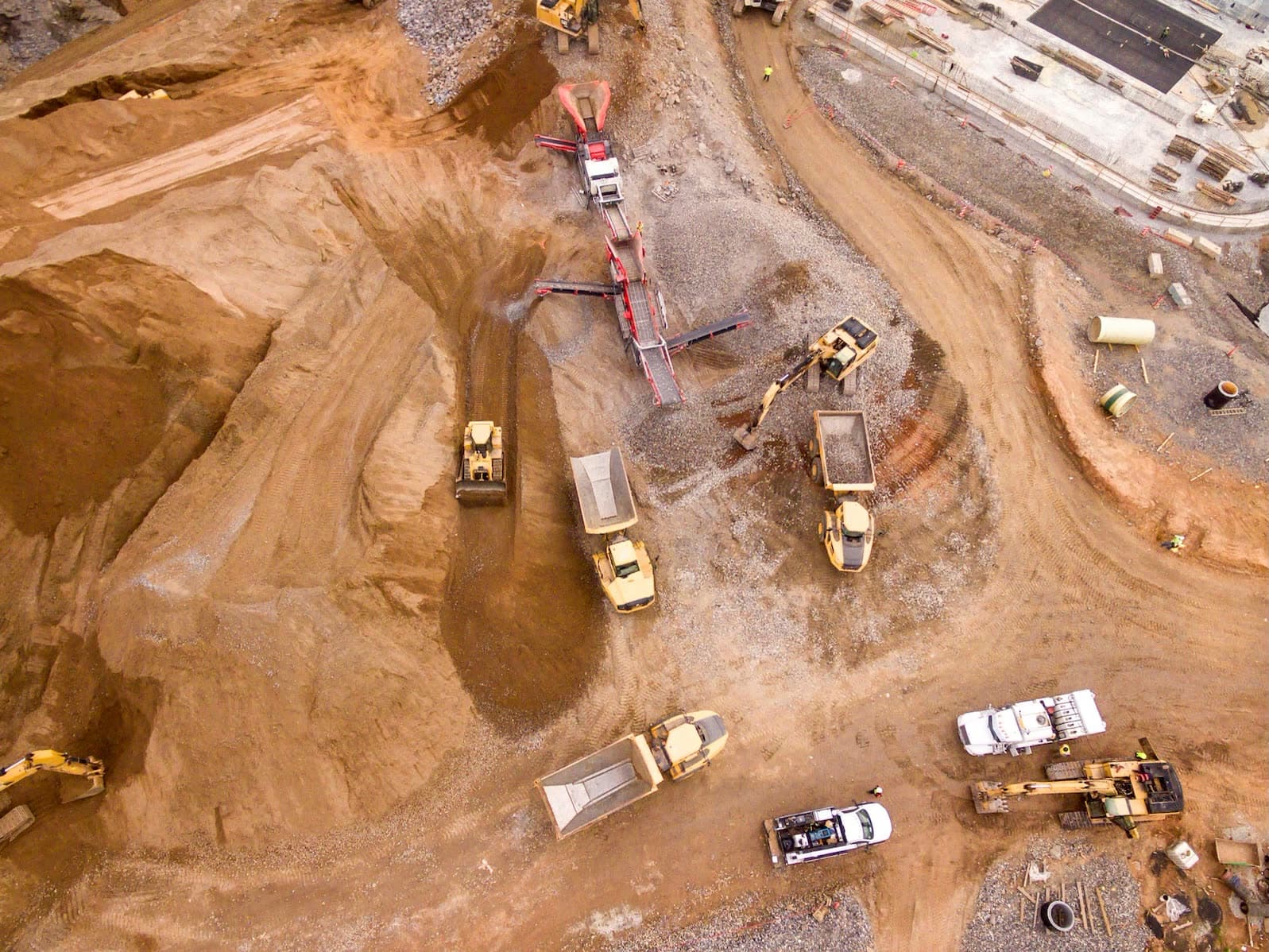
Mining
Monitor battery-electric equipment areas, remote charging zones, and high-value electrical infrastructure.
Proof and resources
Field examples and practical guides
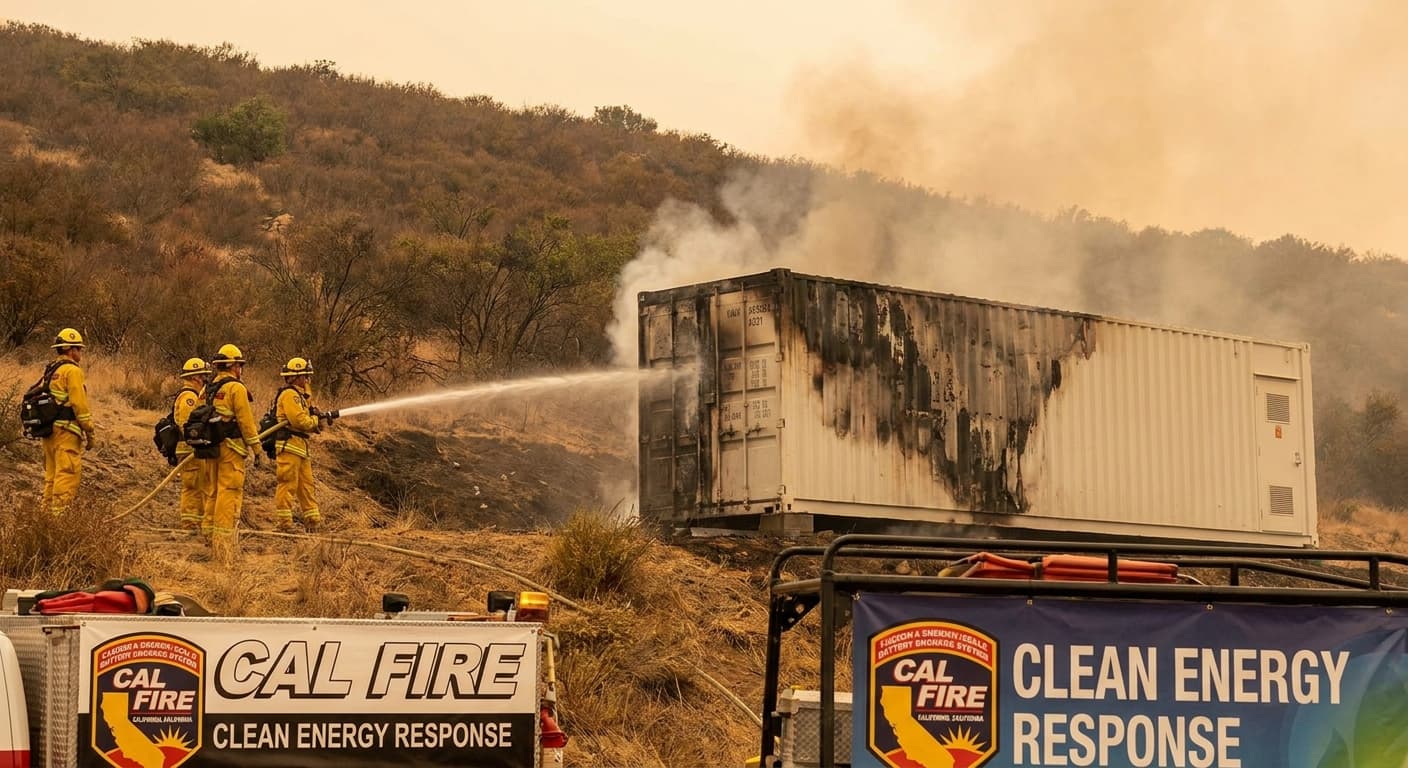
BESS Monitoring with Infrared Cameras
Battery energy storage systems are built to hold a lot of energy in a small footprint. That is what makes them useful. It is also what makes monitoring important.
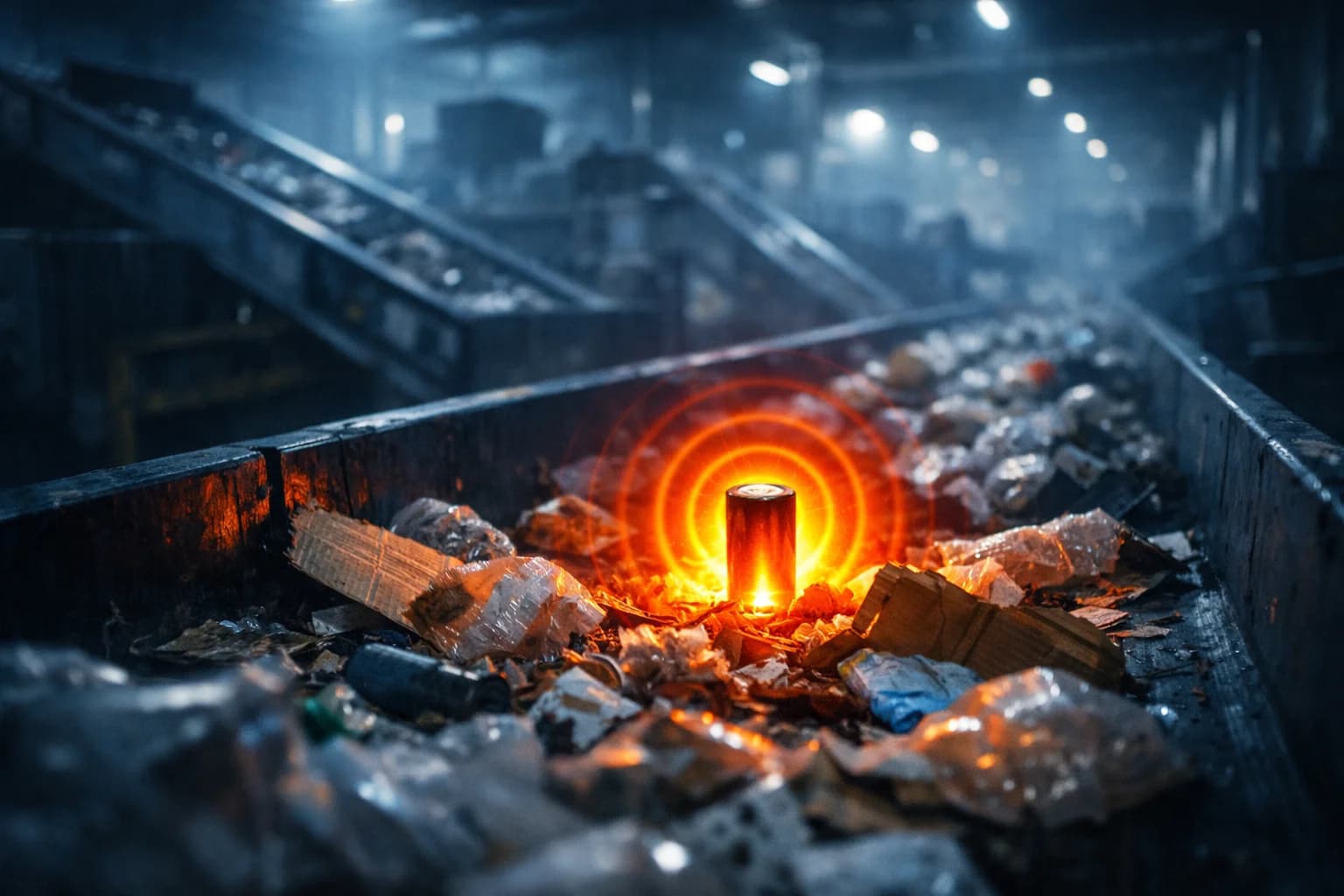
Lithium-Ion Fire Risk: New Standard for Recycling Plant Safety
There's a fire burning at a recycling facility right now. Statistically, there's probably several.
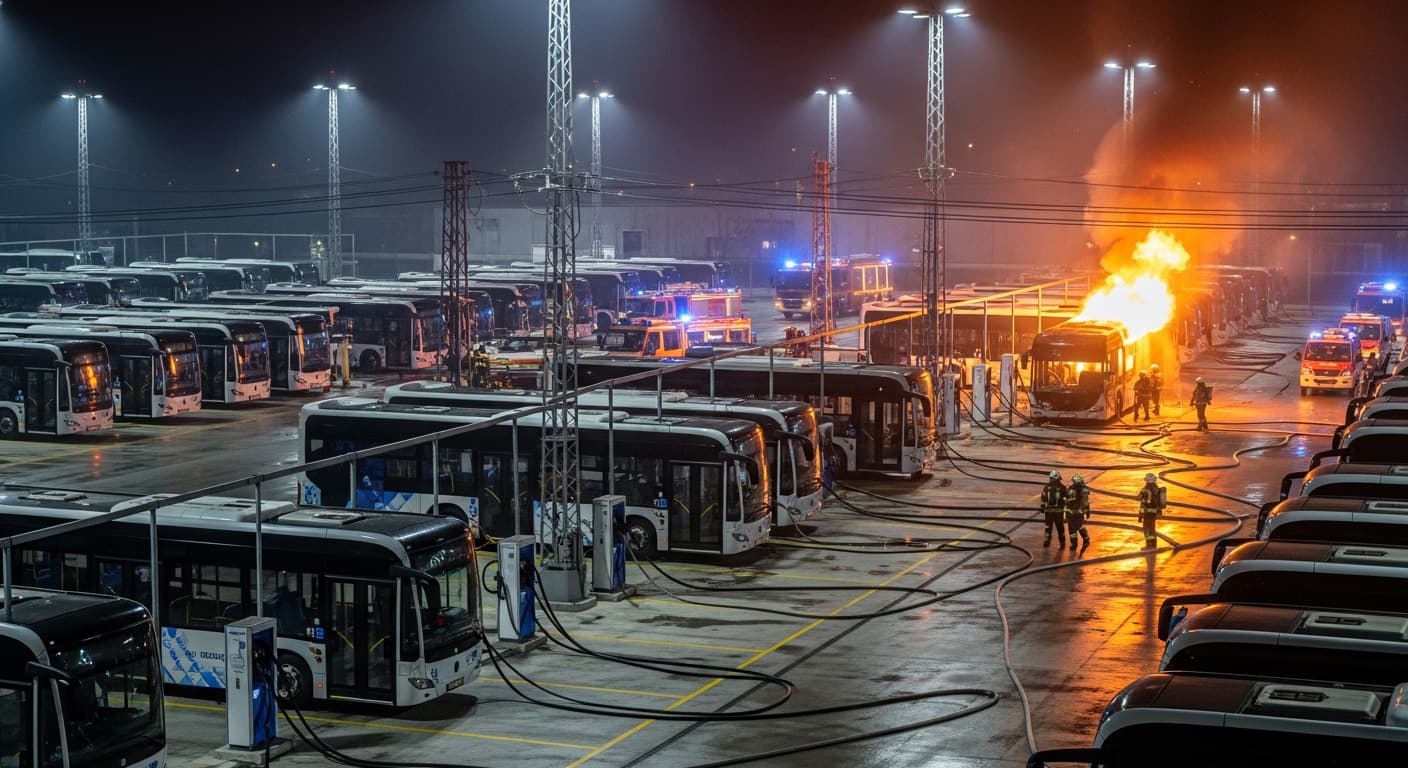
Electric Bus Charging Depot Fire Risk: What's Hidden Inside
On June 5, 2025, a fire broke out at a Philadelphia bus yard before sunrise. By the time crews had it under control, 40 buses were damaged and 16 were destroyed. It took 150 firefighters. The cause: a lithiumion batte...
FAQ
Questions teams ask before they deploy AVIAN
Can thermal cameras detect the first internal cell fault?
Not always. A thermal camera measures surfaces it can see. If a fault begins inside a sealed cell, module, or cabinet and heat has not reached a visible surface, other layers such as BMS data and off-gas detection may see the event first.
Where does AVIAN fit in a battery safety system?
AVIAN is the fixed thermal visibility layer. It helps operators see abnormal surface heat, compare nearby assets, verify whether heat is spreading, and route alerts into response workflows. It should work alongside BMS, off-gas, gas, smoke, suppression, ventilation, and emergency procedures.
What battery environments can AVIAN monitor?
Common environments include recycling lines, tipping floors, battery rooms, UPS areas, fleet charging depots, BESS containers, battery storage areas, lithium processing handoff zones, and post-incident watch areas where residual heat or reignition risk matters.
Can AVIAN trigger shutdowns or suppression?
Yes, when the site design calls for it. PLC integration can support conveyor stops, equipment isolation, alarm routing, or other control actions, but those responses are always designed around the facility's safety requirements and operating procedures.
Related resources
BESS Monitoring with Infrared Cameras
A practical guide to where infrared cameras fit in layered battery energy storage safety.
Lithium-Ion Fire Risk in Recycling Plants
Why damaged batteries in mixed material streams need earlier thermal visibility.
Flame Detectors vs. Thermal Cameras
How flame detection and thermal monitoring differ in early fire prevention.