Lithium-Ion Battery Fire Prevention
Catch lithium-ion battery fire risk while it is still heat
Lithium-ion batteries show up in more places than most fire plans were built for: waste streams, UPS rooms, fleet depots, BESS enclosures, chargers, storage areas, and production floors. AVIAN watches for abnormal heat so teams can respond before a battery event becomes a facility fire.
Application
Map
Identify battery risk zones
Watch
Monitor continuously
Alert
Send thermal evidence
Prevent
Act before spread
Heat first
is the practical signal AVIAN adds to battery fire prevention: a continuous thermal view of the visible surfaces and material zones where battery risk becomes actionable.
Why lithium-ion fires spread
A small battery event can become a facility problem fast
Lithium-ion battery fire prevention is difficult because the battery may be hidden, damaged, charging, stored, moving through material, or already involved in thermal runaway. Smoke and flame are important alarm signals, but they often arrive after heat has created the operating problem.
Damaged cells can heat rapidly, vent gas, ignite surrounding material, or propagate heat into nearby batteries.
Battery fires can appear in mixed recycling streams, charging depots, UPS rooms, BESS sites, storage areas, and industrial equipment zones.
Manual inspection is unreliable when the risky window happens overnight, inside a material pile, on a moving belt, or after a fire appears controlled.
Earlier thermal evidence gives teams a chance to isolate, cool, shut down, remove material, escalate response, or continue post-event monitoring.
What our customers say
Industrial teams use AVIAN to catch heat problems before they become downtime or fire risk
“I’d argue it’s probably one of the best technologies as far as fire safety is concerned”
We had a gearbox that was overheating in our dust shed. Thanks to the alerts from AVIAN, we changed the oil in the gearbox and brought it back under normal operating conditions.
“From Pilot to Prevention: How Chinook Wood Products Uses AVIAN”
“We can now adjust our machines in real time—without shutting them down”
Temperature changes become immediately visible with the AVIAN system, allowing us to react without delay. This kind of predictive maintenance greatly increases technical availability.

“Every planer mill should have an AVIAN system”
I can’t think of a reason why anyone wouldn’t want to install it.
“Why Charles Ingram Says Planer Mills Need AVIAN”
How AVIAN reduces risk
Thermal visibility for the battery fire timeline
AVIAN focuses on the heat signal that appears before or during many lithium-ion battery fire scenarios. It helps teams see the event, understand where it is, and route the response before the scene becomes harder to control.
Battery and charger heat
Watch parked vehicles, chargers, cabinets, UPS batteries, storage zones, and battery-prone material areas for abnormal heat.
Fire precursor detection
Detect localized hotspots and persistent heat before smoke, flame, sprinkler activation, or a wider emergency response.
Alerts and control handoff
Route alerts to operators, maintenance, safety, security, and on-call teams, with optional PLC integration for stops or isolation actions.
From battery heat to response
Make the first useful warning visible and actionable
The best battery fire prevention programs do not wait for one alarm type. AVIAN adds a heat-first layer that helps teams respond earlier.
Map
Identify battery risk zones
Start with the places batteries charge, move, accumulate, fail, or expose nearby combustible material.
Watch
Monitor continuously
Thermal cameras keep watch through nights, weekends, low-staffed periods, and post-incident watch windows.
Alert
Send thermal evidence
Teams receive event location, thermal context, and visual confirmation instead of searching for the source.
Prevent
Act before spread
Operators can isolate a battery, stop a belt, shut down charging, remove material, cool the area, or escalate response.
Where it applies
Built around the assets where heat changes the outcome
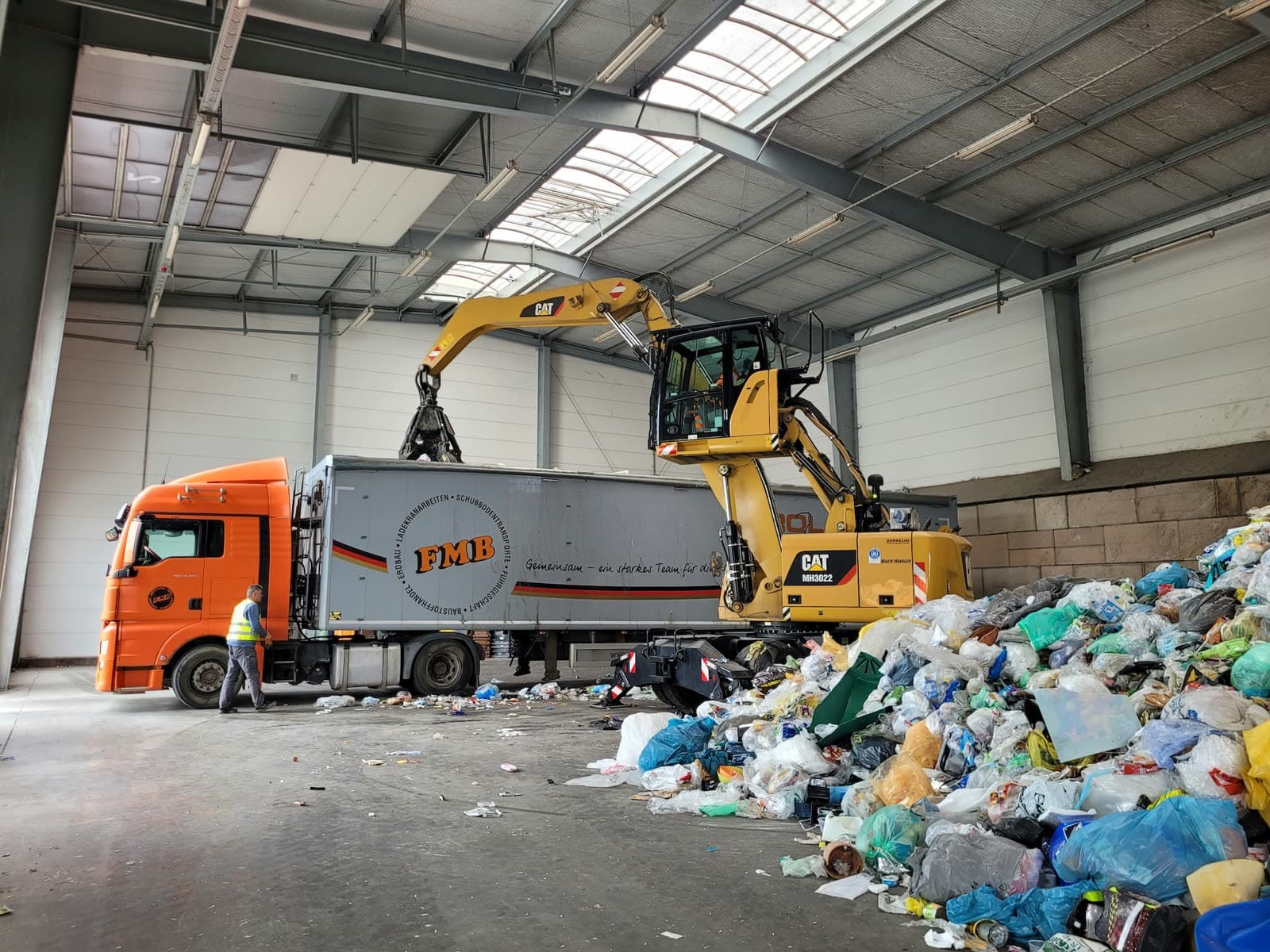
Recycling and waste
Spot lithium-ion battery events in mixed loads, conveyors, bunkers, bale storage, and outdoor piles.
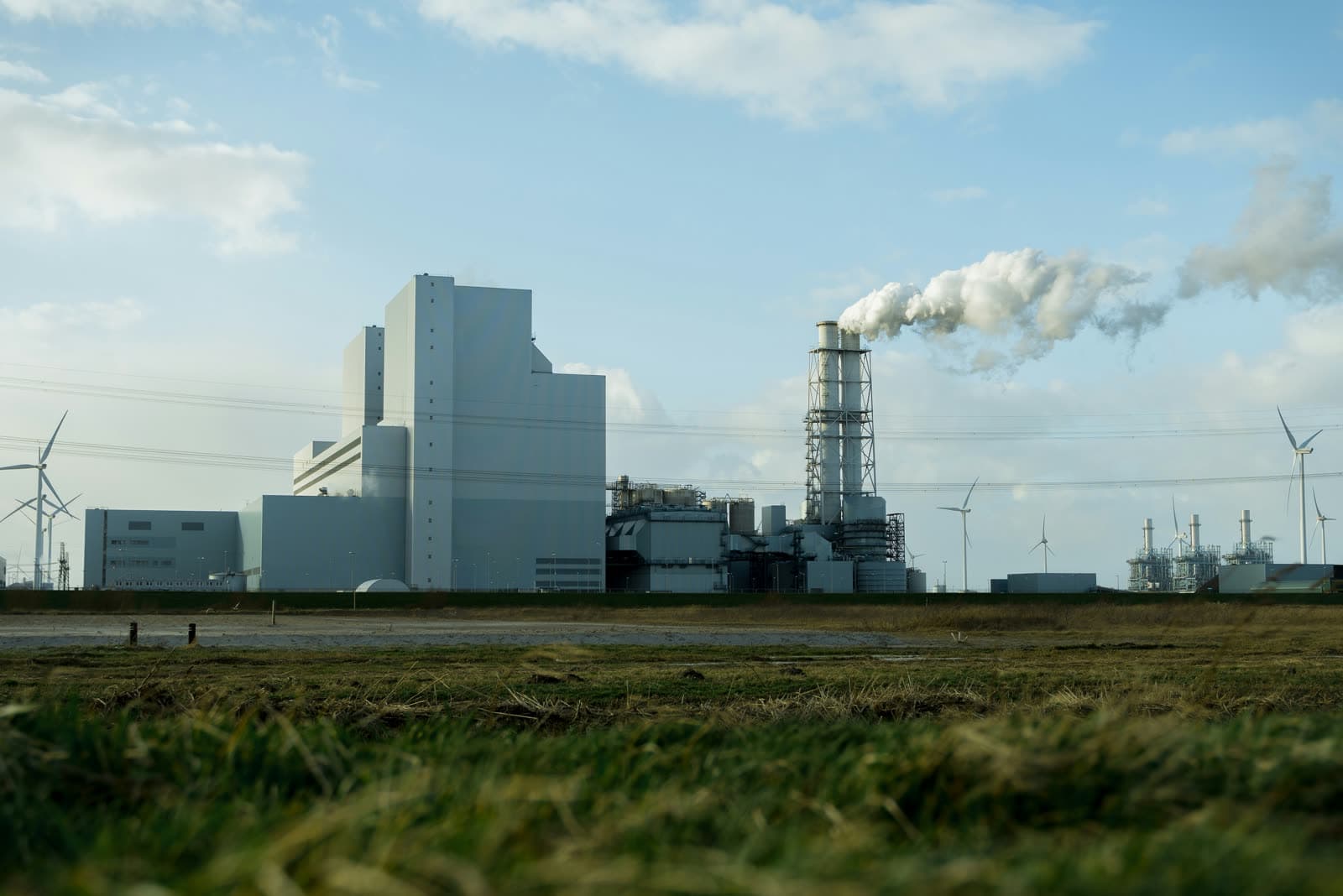
Thermal runaway detection
Understand the battery failure mode and where fixed thermal monitoring fits in a layered safety system.

Electric bus depots and fleet charging
Watch parked buses, chargers, switchgear, cables, and overnight charging zones.
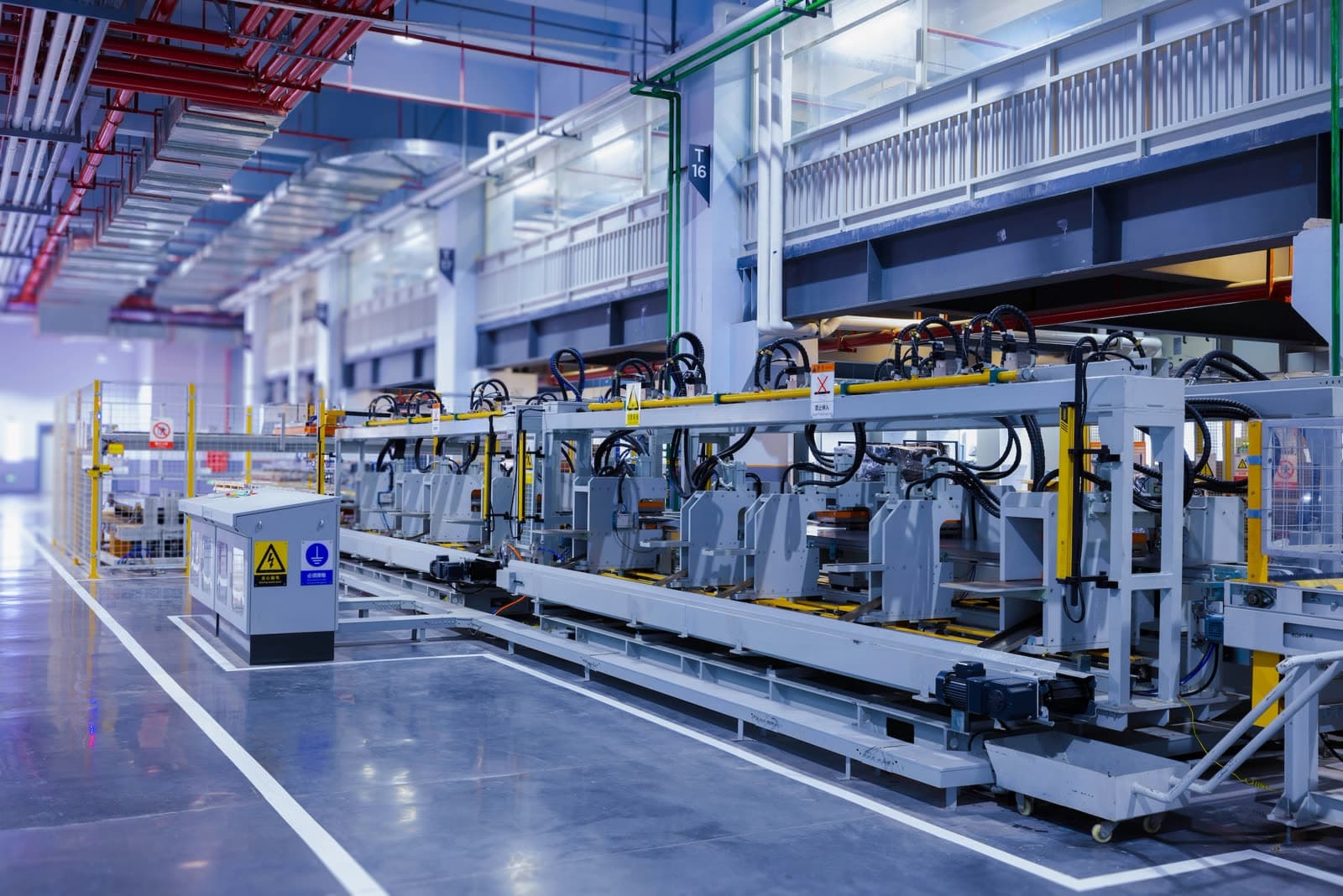
Data centers
Monitor UPS battery rooms, electrical panels, switchgear, and cooling-related heat risk.
Lithium refining and battery materials
Track retained heat, cooldown behavior, transfer points, and storage areas around battery materials.
Proof and resources
Field examples and practical guides
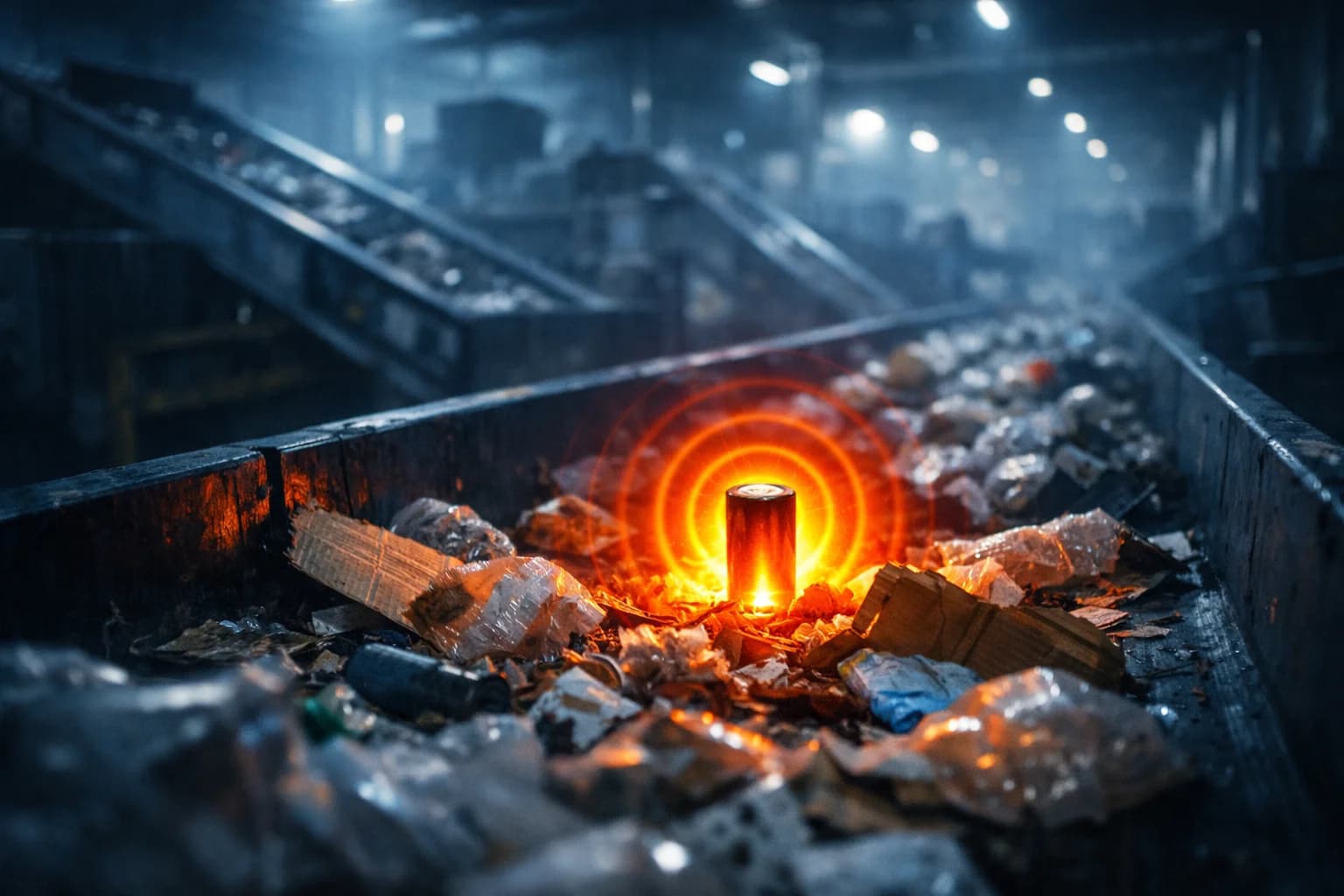
Lithium-Ion Fire Risk: New Standard for Recycling Plant Safety
There's a fire burning at a recycling facility right now. Statistically, there's probably several.
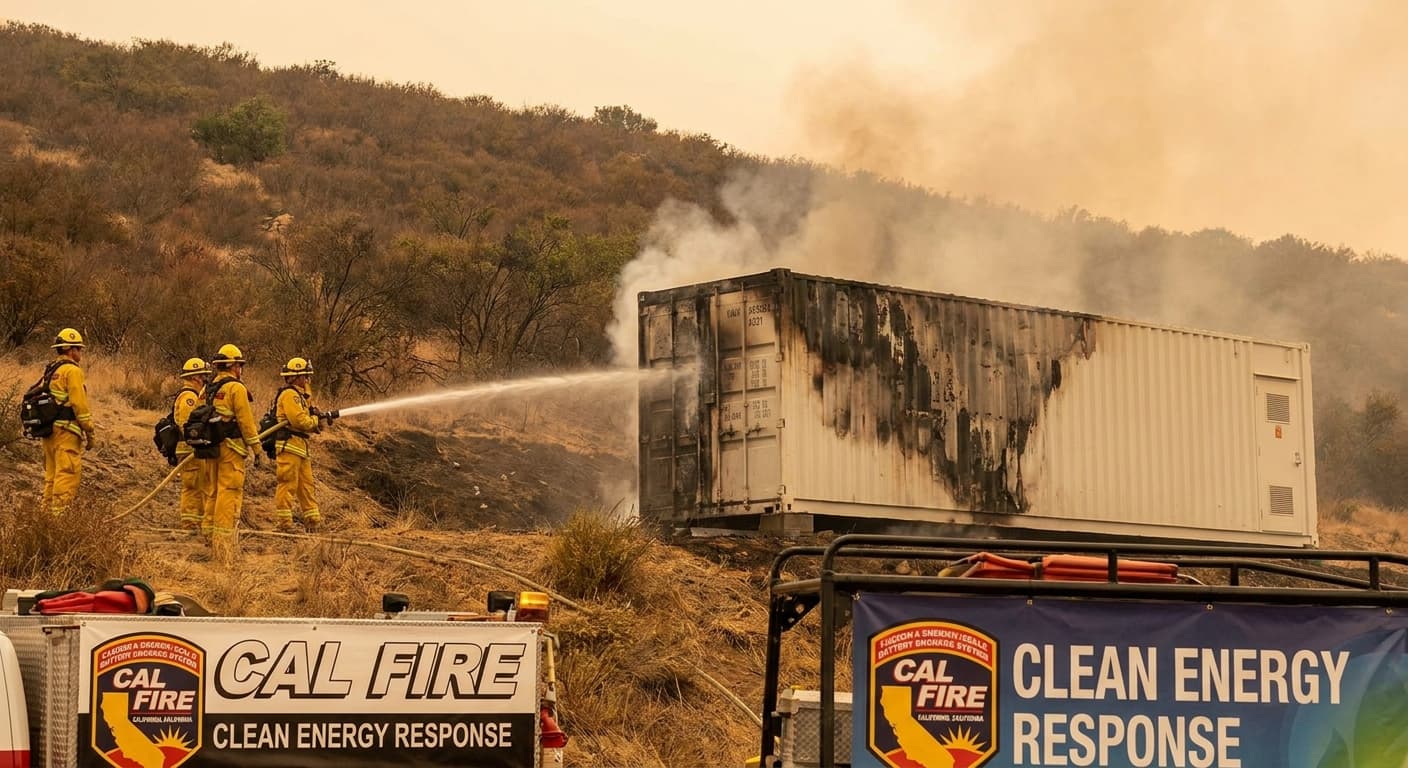
BESS Monitoring with Infrared Cameras
Battery energy storage systems are built to hold a lot of energy in a small footprint. That is what makes them useful. It is also what makes monitoring important.
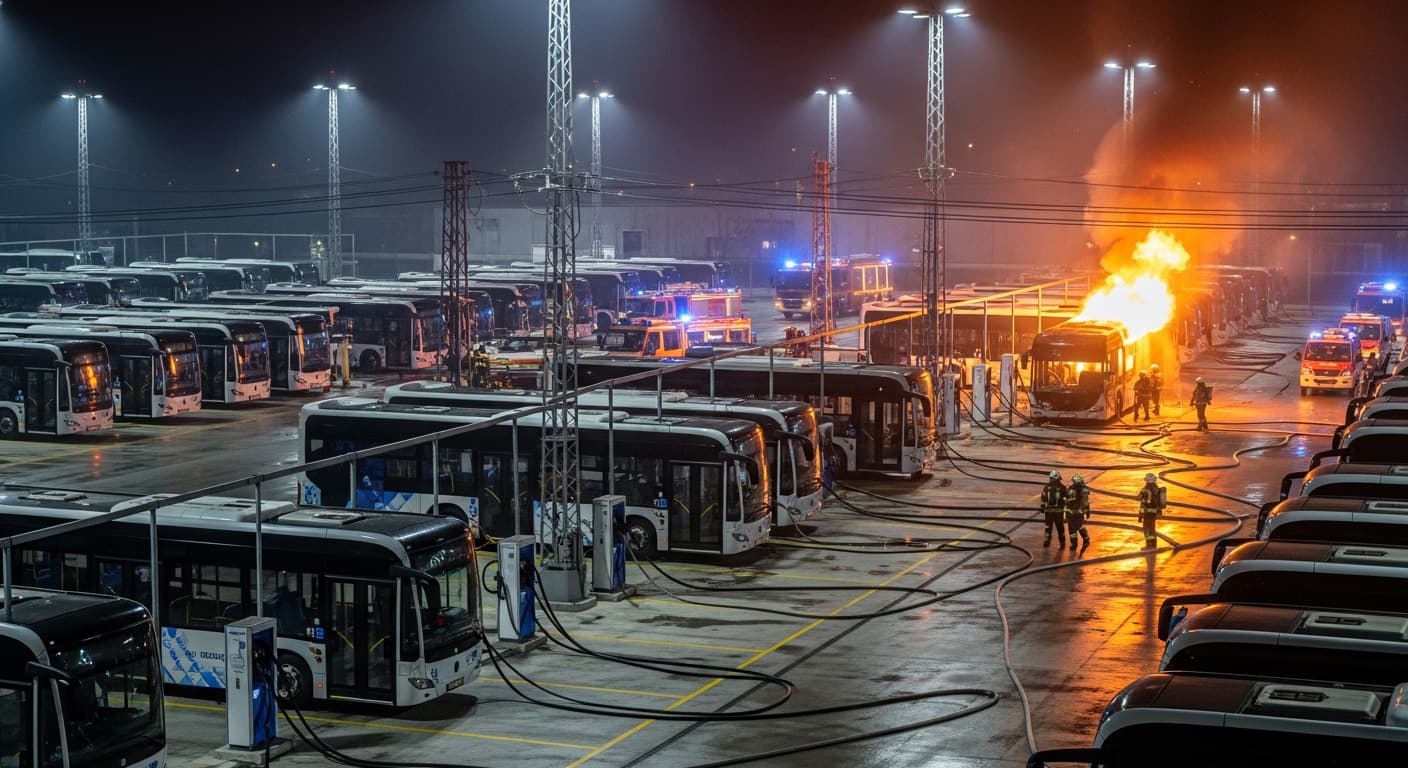
Electric Bus Charging Depot Fire Risk: What's Hidden Inside
On June 5, 2025, a fire broke out at a Philadelphia bus yard before sunrise. By the time crews had it under control, 40 buses were damaged and 16 were destroyed. It took 150 firefighters. The cause: a lithiumion batte...
FAQ
Questions teams ask before they deploy AVIAN
Can AVIAN prevent every lithium-ion battery fire?
No single system can prevent every lithium-ion battery fire. AVIAN helps reduce risk by detecting abnormal heat where it is visible to fixed thermal cameras, routing alerts quickly, and giving teams evidence they can use to isolate, cool, stop, or escalate the event.
Is lithium-ion battery fire prevention the same as thermal runaway detection?
They are related, but not identical. Thermal runaway detection focuses on the battery failure mode. Lithium-ion battery fire prevention is the broader operating goal: catch battery heat, charger faults, stored material heat, reignition risk, and response gaps before they become a larger fire.
Does AVIAN replace BMS, off-gas detection, smoke detection, or suppression?
No. Battery safety should be layered. AVIAN adds continuous thermal visibility and visual context; BMS, off-gas, gas, smoke, ventilation, suppression, electrical protection, and emergency procedures still have their own roles.
Where should thermal cameras watch for lithium-ion fire risk?
High-value zones include recycling tipping floors and conveyors, BESS cabinets and exterior surfaces, UPS rooms, battery strings, EV and fleet charging areas, battery storage areas, damaged battery isolation zones, and post-incident watch areas.
Related resources
Thermal Runaway Detection
The companion page focused on the battery failure mode and layered detection limits.
Lithium-Ion Fire Risk in Recycling Plants
Why damaged batteries in mixed material streams need earlier thermal visibility.
BESS Monitoring with Infrared Cameras
How infrared cameras fit alongside BMS, off-gas detection, suppression, and response procedures.