Recycling & Waste Processing
Spot battery events and smoldering loads before they become facility fires
AVIAN delivers continuous thermal monitoring across tipping floors, conveyors, bunkers, bale storage, and outdoor piles — so your team sees lithium-ion battery events and smoldering loads before smoke, sprinkler activation, or an after-hours call from the fire department.
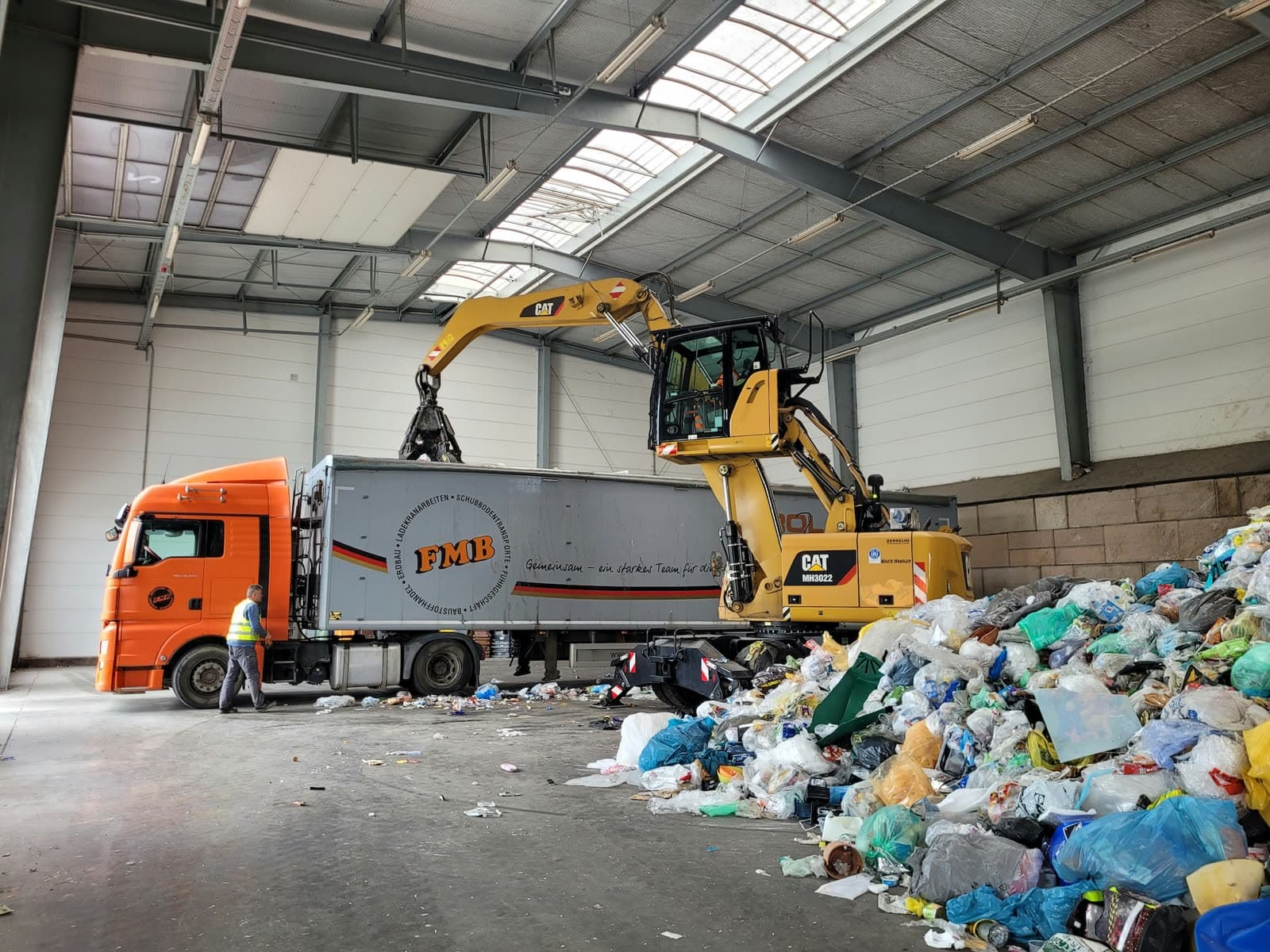
448 waste and recycling facility fires recorded in North America in 2025
AVIAN is configured around the zones where fires start: receiving, sorting, conveyors, bale storage, and outdoor stockpiles — built for the fact that the highest-risk event often happens after the shift ends.
448
publicly reported waste and recycling facility fires across the US and Canada in 2025 — the worst year on record since tracking began in 2016
$2.5B
estimated damages from waste and recycling facility fires in the US and Canada in 2025
Alarm Case
Catch battery fires before they move downstream
Failure mode
Crushed lithium-ion battery spraying molten material
Outcome
Operator was alerted immediately and contained the belt fire risk
Molten lithium detected on a recycling conveyor
AVIAN Fire Watch
1,388 documented fires in recycling and waste
AVIAN tracks these incidents to understand where heat becomes loss, downtime, or fire risk.
Republic Recycling
Windfield Metal Management (Windfield Alloy)
Site Ready Materials and Recycling
Materials Recovery Facility (MRF) on Platt Road
Leduc & District Regional Waste Management Facility
New Bedford Waste Services
Weimarer Land recycling facility fire
Camp Small
Scotia Recycling plant
Omaha Track railroad tie recycling facility
Suffolk warehouse fire
Scotia Recycling Limited
Sutter Metals Recycling
Avon Spiegel Recycling Center
Calgary recycling facility
Rocky Mount Recyclers
Risk zones where a missed heat event gets expensive fast
Recycling fires rarely start as visible flames. They build as heat in the wrong place at the wrong time, often after hours and often before anyone on site can smell smoke.
Lithium-ion batteries
A single damaged cell in a mixed load can vent, ignite surrounding material, and turn a routine sort into a full facility response. AVIAN flags thermal runaway before it gets there.
Smoldering waste piles
Hotspots buried in organic material, mixed loads, or bale storage can smolder for hours and surface as smoke after the building has emptied out.
Conveyor friction and overheating
Bearings, rollers, and transfer points that overheat can spread fire through the line fast. PLC integration is available when your team wants heat events to trigger an automatic stop.
Outdoor yards and tipping floors
Receiving and storage zones are exposed to sun, dust, and weather — and hardest to supervise continuously. Thermal monitoring covers them around the clock.
Where AVIAN watches
Thermal coverage around the places recycling fires begin
Recycling facilities change by the hour. AVIAN is deployed around the receiving, sorting, storage, and conveying zones where hidden heat can turn into an after-hours fire.
Tipping floors and receiving areas
Watch incoming loads for battery heat, smoldering material, or hot debris before it moves deeper into the facility.
Sort lines, conveyors, and transfer points
Detect friction, hot bearings, and thermal events that can spread through a moving material stream.
Bunkers, bale storage, and piles
Monitor stored material where buried heat can smolder for hours before smoke reaches a detector.
Outdoor yards and battery-prone zones
Add visibility in areas exposed to weather, sun, dust, and low staffing during nights and weekends.
From hot load to documented response
Catch the heat event before it becomes a facility fire
Recycling risk is often a race between a hidden heat source and the facility response. AVIAN is built to make the heat visible sooner.
Watch
Monitor changing material streams
Cameras watch receiving, sorting, conveyors, storage, and outdoor zones continuously.
Detect
Identify abnormal heat
AVIAN flags battery heat, smoldering material, conveyor friction, and pile hotspots before they become visible fire.
Alert
Send evidence fast
Teams get location, thermal context, and visual confirmation so they can act without searching the whole facility.
Act
Isolate or suppress early
Operators can remove a load, isolate material, stop a conveyor, or escalate response before the incident spreads.
Proof and resources
Field examples and practical guides
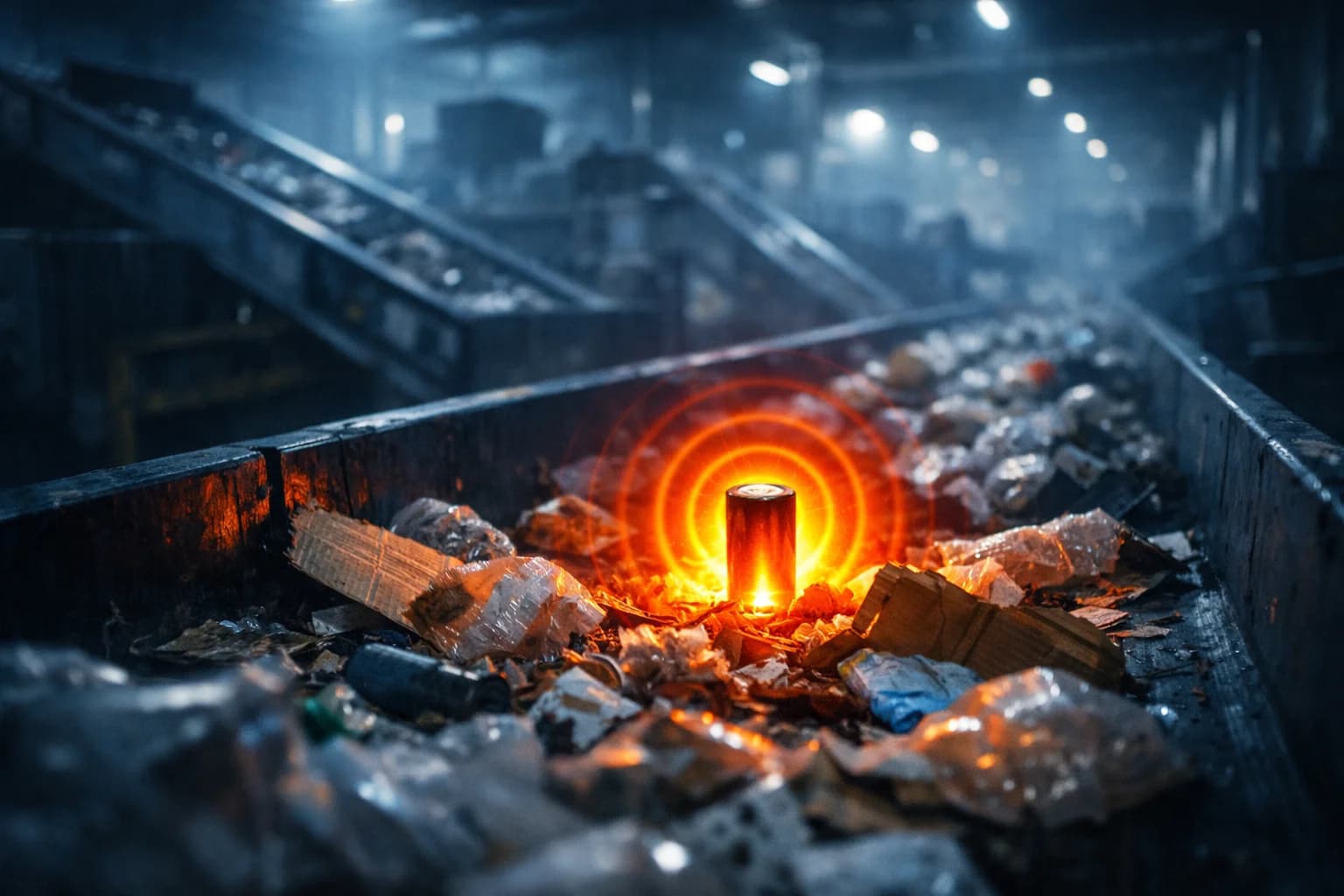
Lithium-Ion Fire Risk: New Standard for Recycling Plant Safety
There's a fire burning at a recycling facility right now. Statistically, there's probably several.
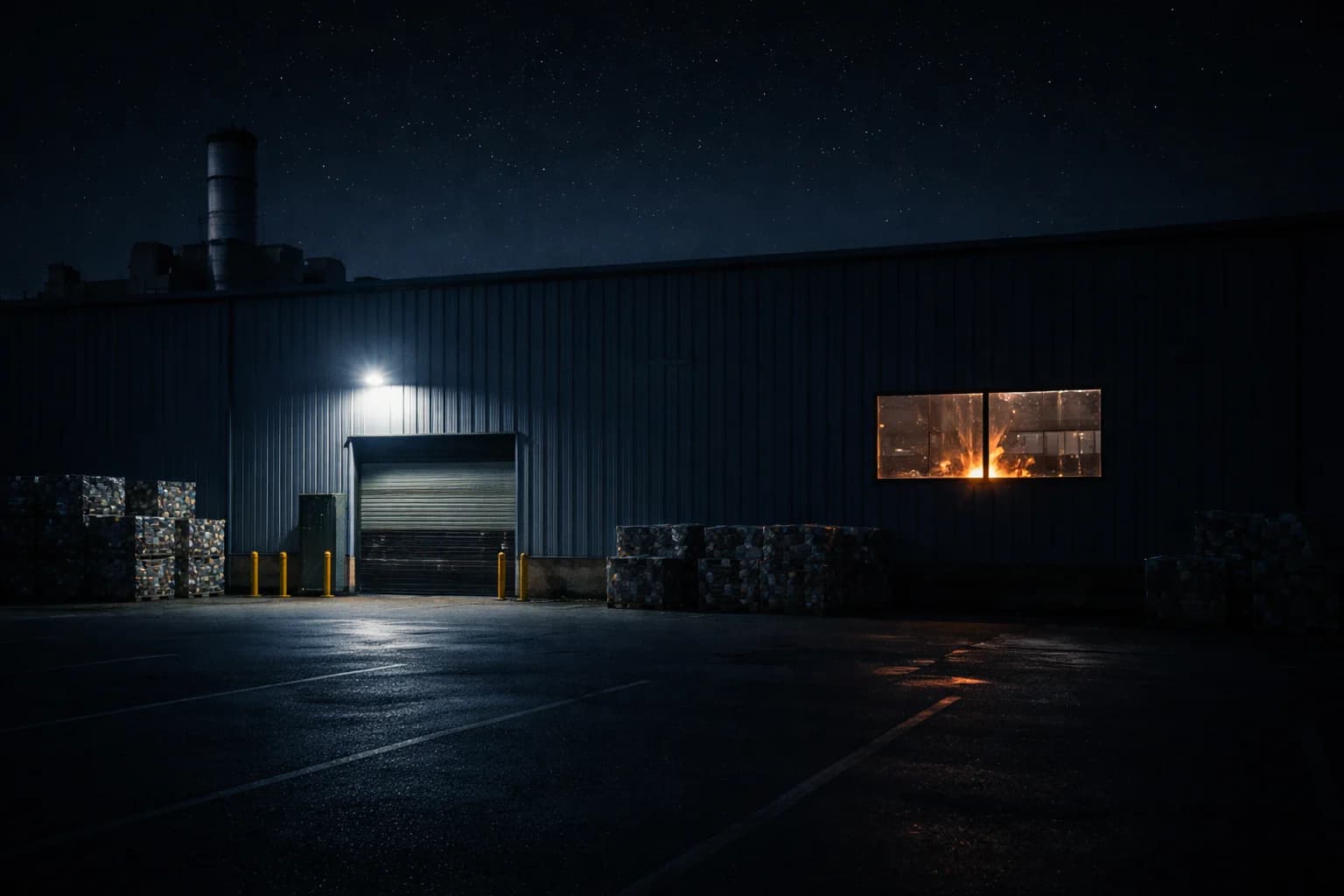
Why Recycling Plant Fires Happen at Night
The most dangerous hours at your facility are the ones where nobody is watching.
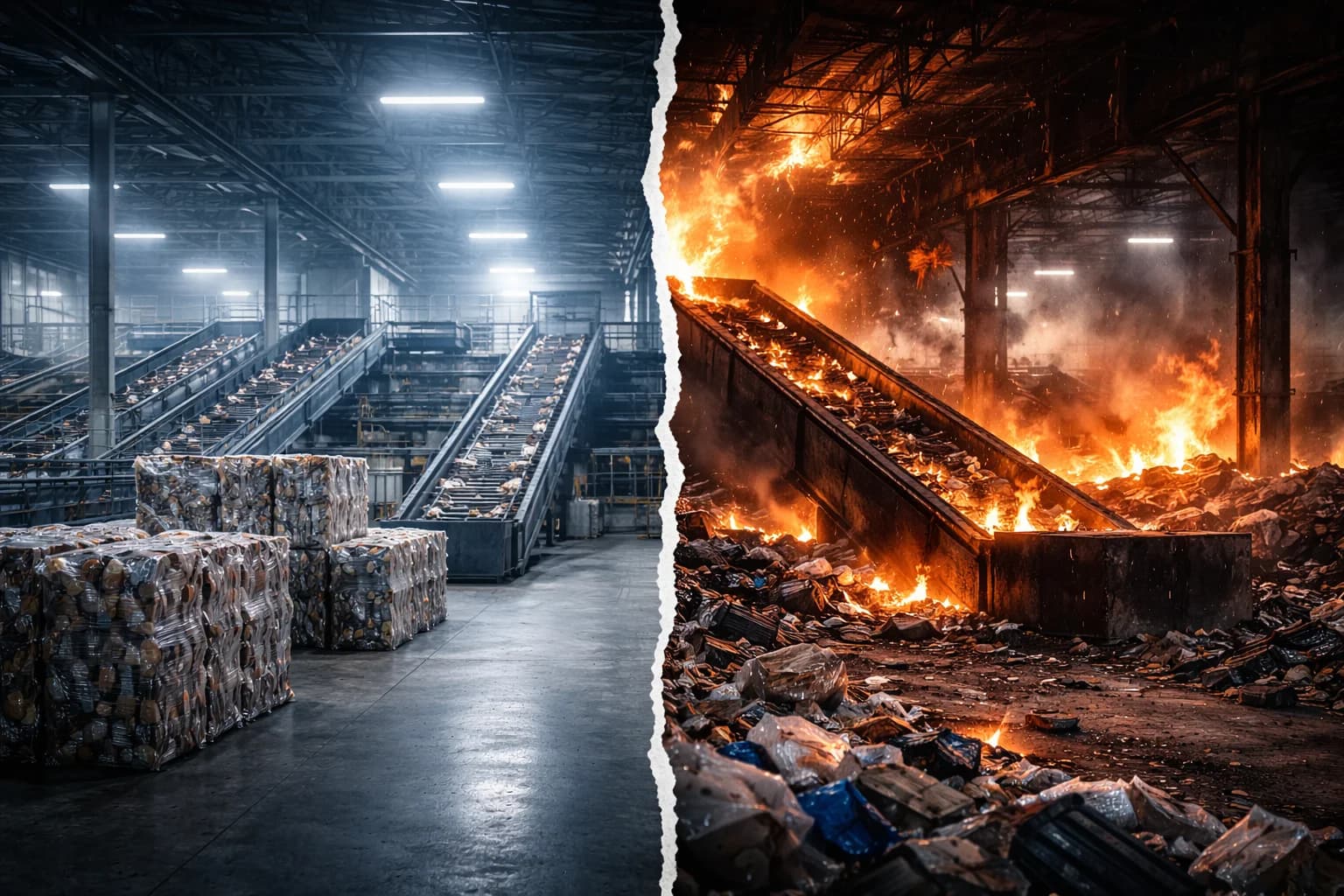
Recycling Fire Insurance Crisis: What Operators Pay Now
If you run a recycling or waste processing facility, your insurance renewal letter has probably given you a heart attack recently.
Related resources
Lithium-ion fire risk in recycling plants
Why damaged batteries require earlier thermal visibility in mixed material streams.
Why recycling fires happen at night
How after-hours smoldering and hidden heat turn small events into major losses.
Real-world save: molten lithium on the belt
Watch an alarm case where AVIAN caught a lithium-related recycling fire risk.
FAQ
Questions teams ask before they deploy AVIAN
Where should recycling facilities monitor first?
Common first zones include tipping floors, sort lines, conveyors, bunkers, bale storage, outdoor piles, battery-prone material streams, and after-hours storage areas.
Can thermal monitoring detect lithium-ion battery events early?
Thermal monitoring can identify abnormal heat from batteries and surrounding material before smoke or flame appears, giving teams time to isolate, remove, or escalate the load.
Does AVIAN replace sprinklers or fire detection?
No. Sprinklers, alarms, and suppression systems remain required protection. AVIAN adds an earlier thermal layer before those systems are usually triggered.
Can AVIAN support insurance and incident documentation?
Yes. Thermal records, alert history, and response context can help teams document events, show monitoring coverage, and improve operating procedures.
Our Recycling & Waste Package
Coverage, detection, and response in one system.
Built for facilities that need earlier warning on battery events, smoldering material, and equipment heat before those issues become fires or insurance problems.
Coverage
Cover the zones where recycling fires actually start
Pre-calibrated thermal cameras are deployed across tipping floors, sort lines, bunkers, bale storage, and outdoor yards, with layouts designed around your facility instead of a generic standard package.
Detection
Catch pre-ignition heat before smoke detectors ever help
AVIAN tracks thermal behavior across changing material streams so the system can identify abnormal heat in batteries, piles, and conveyor equipment before the event becomes visible fire.
Response
Give your team a documented response path after hours
Your team gets setup support, alerting, and ongoing tuning so high-temperature events can be escalated quickly, routed to the right people, and tied into operating procedures when the building is lightly staffed.
Core AVIAN workflows
Go deeper on how AVIAN turns heat into action
AI thermal anomaly detection
How AVIAN spots abnormal heat before it becomes downtime or fire.
Thermal monitoring integrations
How alerts fit operator, maintenance, reporting, and control workflows.
Fire prevention and predictive maintenance
Why the same heat signal supports safety and reliability teams.