EtherNet/IP Thermal Camera
ODVA conformant thermal monitoring for PLC-connected sites
The AVIAN T100 is an ODVA CONFORMANT EtherNet/IP device, giving controls teams a standards-based path to bring abnormal heat events into PLC, SCADA, and plant response workflows.
Signal pipeline
- Thermal event
- T100 detection
- EtherNet/IP
- PLC logic
- Operator response
The controls requirement
A thermal alarm has to fit the control system, not sit beside it
Industrial sites already rely on PLCs, SCADA, interlocks, and operator procedures. When thermal monitoring becomes part of that environment, controls teams need more than a generic network signal. They need a conformant EtherNet/IP device they can evaluate, integrate, and maintain inside established automation standards.
T100
Thermal + RGB
EtherNet/IP
ODVA CONFORMANT
PLC / SCADA
Alarms + logic
Conformance Proof
T100 has received an ODVA Declaration of Conformity
The T100 can be evaluated as a conformant EtherNet/IP device, with a public declaration available for engineering, procurement, and controls review.

- Device
- AVIAN T100 thermal camera
- Network
- EtherNet/IP
- Status
- ODVA CONFORMANT
- Proof
- Declaration of Conformity
ODVA conformance applies to EtherNet/IP interoperability. Fire alarm, safety, suppression, and shutdown requirements remain part of the site's approved safety and controls design.
Integration outcome
Certified connectivity makes thermal events easier to operationalize
ODVA conformance is not the whole monitoring system. It is the control-system proof point that helps the T100 fit into industrial Ethernet environments where standards, documentation, and long-term maintainability matter.
- Layer 01
Standards-based EtherNet/IP
Expose thermal alarm states through an ODVA conformant EtherNet/IP device instead of treating PLC integration as a custom side project.
- Layer 02
PLC-ready response logic
Use T100 alarm states in the PLC workflows your site already trusts, from operator alarms to equipment stops designed by your controls team.
- Layer 03
Documented proof for buyers
Give engineering, reliability, and procurement teams a Declaration of Conformity they can review during technical approval.
“I can be anywhere in the mill, or even sitting at home”
I can be anywhere in the mill, or even sitting at home and get an alert from AVIAN and I know it’s time to act immediately.
“Condition-Based Thermal Monitoring at Sierra Pacific Mills”
“AVIAN gives us a new kind of security”
We can send our employees home at the end of their shift with peace of mind, because we know that the critical areas in our company are reliably monitored.
“How Schilliger Holz and Blumer Lehmann Restored Peace of Mind”
“I’d argue it’s probably one of the best technologies as far as fire safety is concerned”
We had a gearbox that was overheating in our dust shed. Thanks to the alerts from AVIAN, we changed the oil in the gearbox and brought it back under normal operating conditions.
“From Pilot to Prevention: How Chinook Wood Products Uses AVIAN”
From the field
Recent case studies
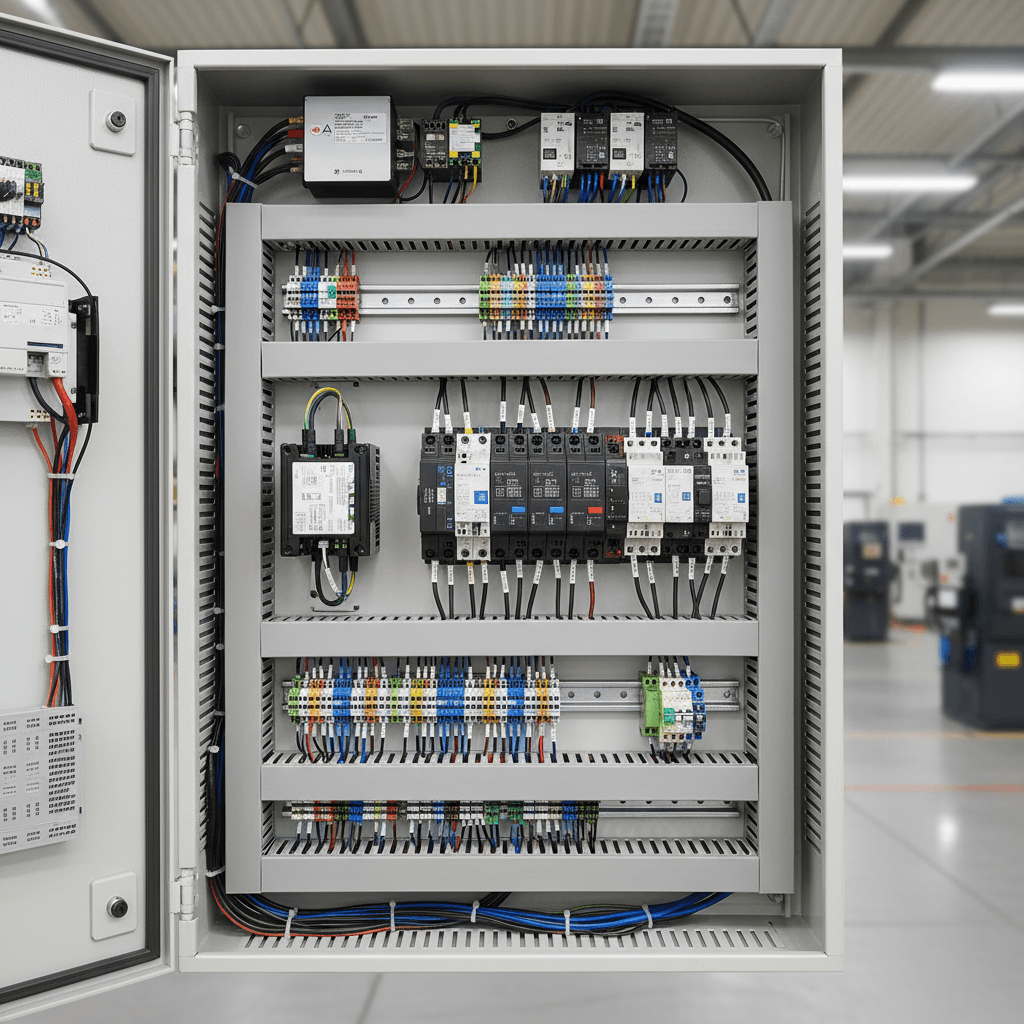
How PLC Auto Stops Work with AVIAN Thermal Cameras
Most autostop conversations start in the wrong place.
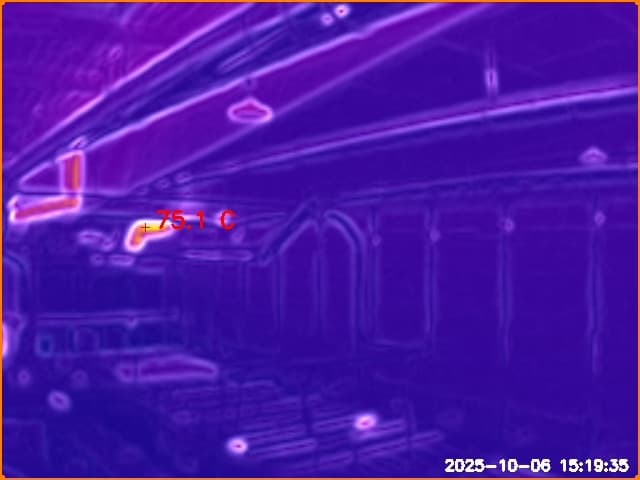
How Spark Detection Failed in a Duct Fire Incident
We caught a scary one this week folks.
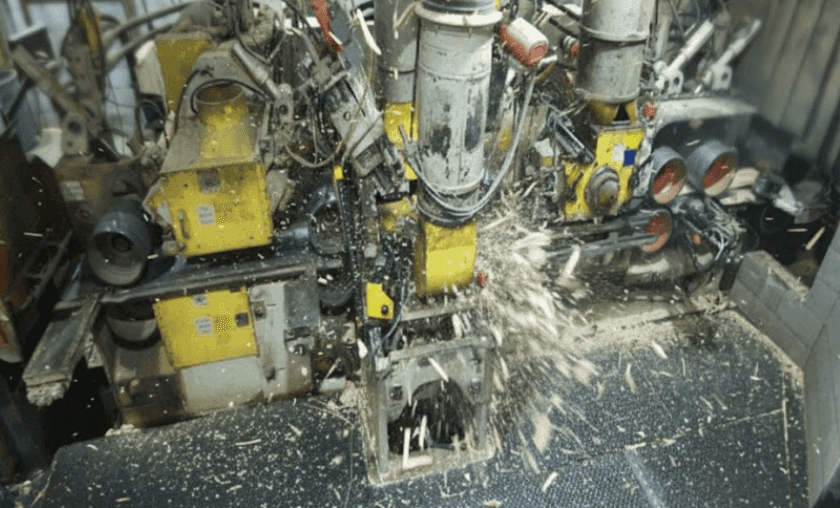
Condition-Based Thermal Monitoring at Sierra Pacific Mills
When Sierra Pacific Industries first reached out to AVIAN, the goal was straightforward: monitor baghouses and dust collection equipment at their Quincy, California operation. What happened next is a story about what ...
Where it applies
The industries this capability supports
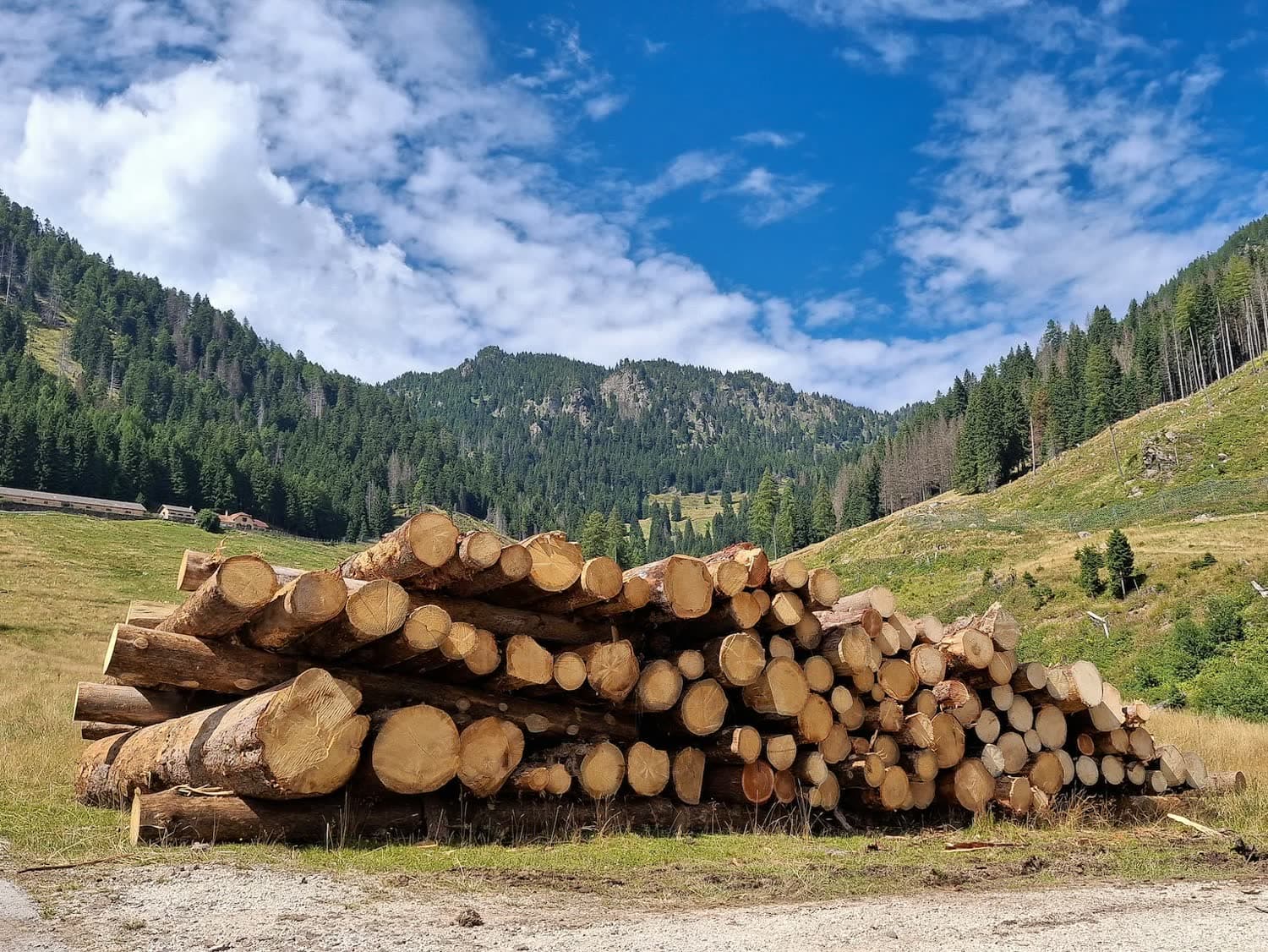
Sawmills and planer mills
Feed planer, conveyor, bearing, and dust-system heat events into mill response logic.
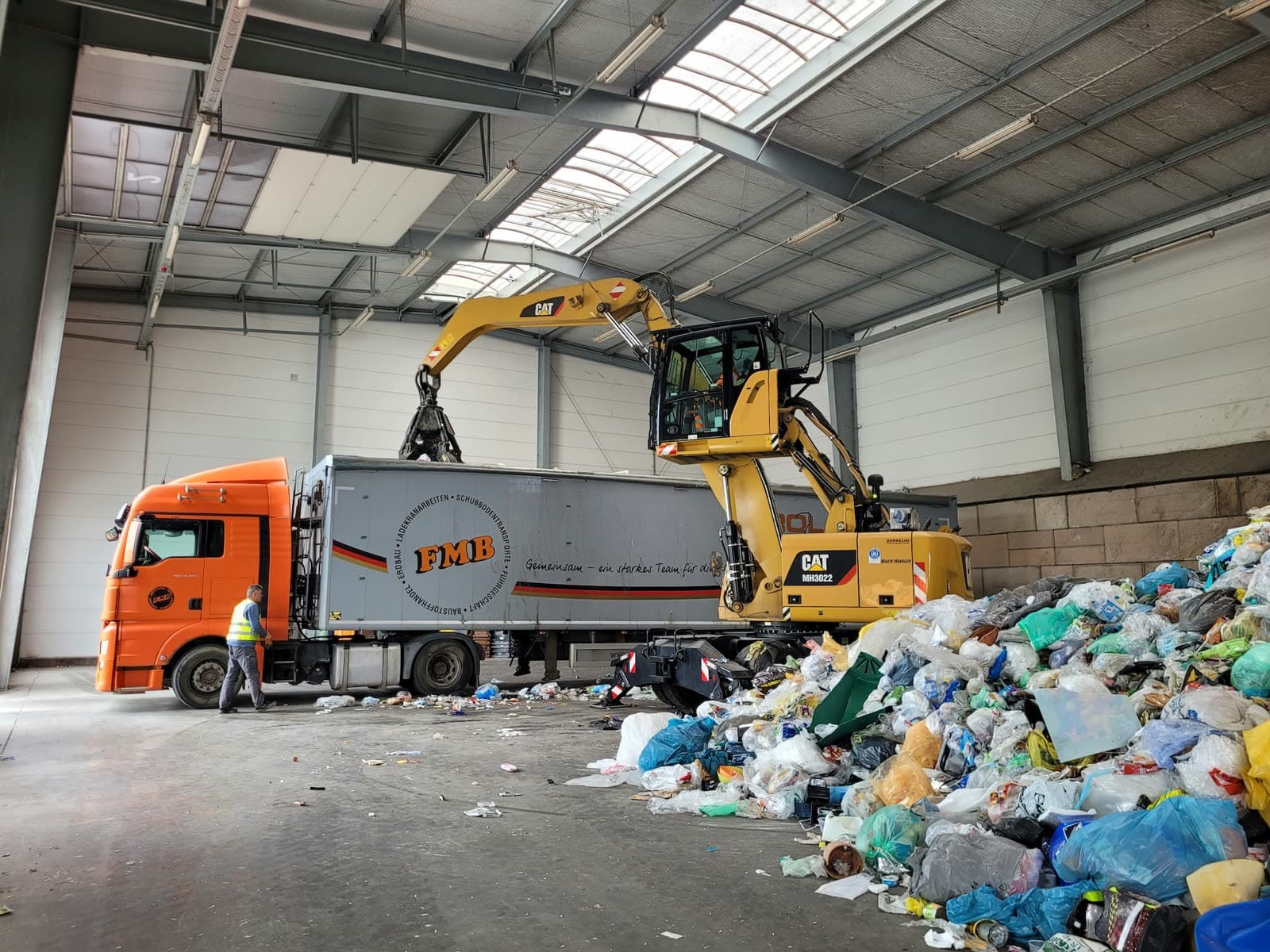
Recycling and waste
Bring pile, conveyor, and battery heat alerts into control-room workflows across high-risk facilities.

Ports and bulk handling
Expose thermal alarm states from conveyor galleries, transfer points, and remote drives to plant automation.

Biomass and pellet plants
Tie press, conveyor, drive, and dust-system heat into alarms, planned stops, and maintenance response.
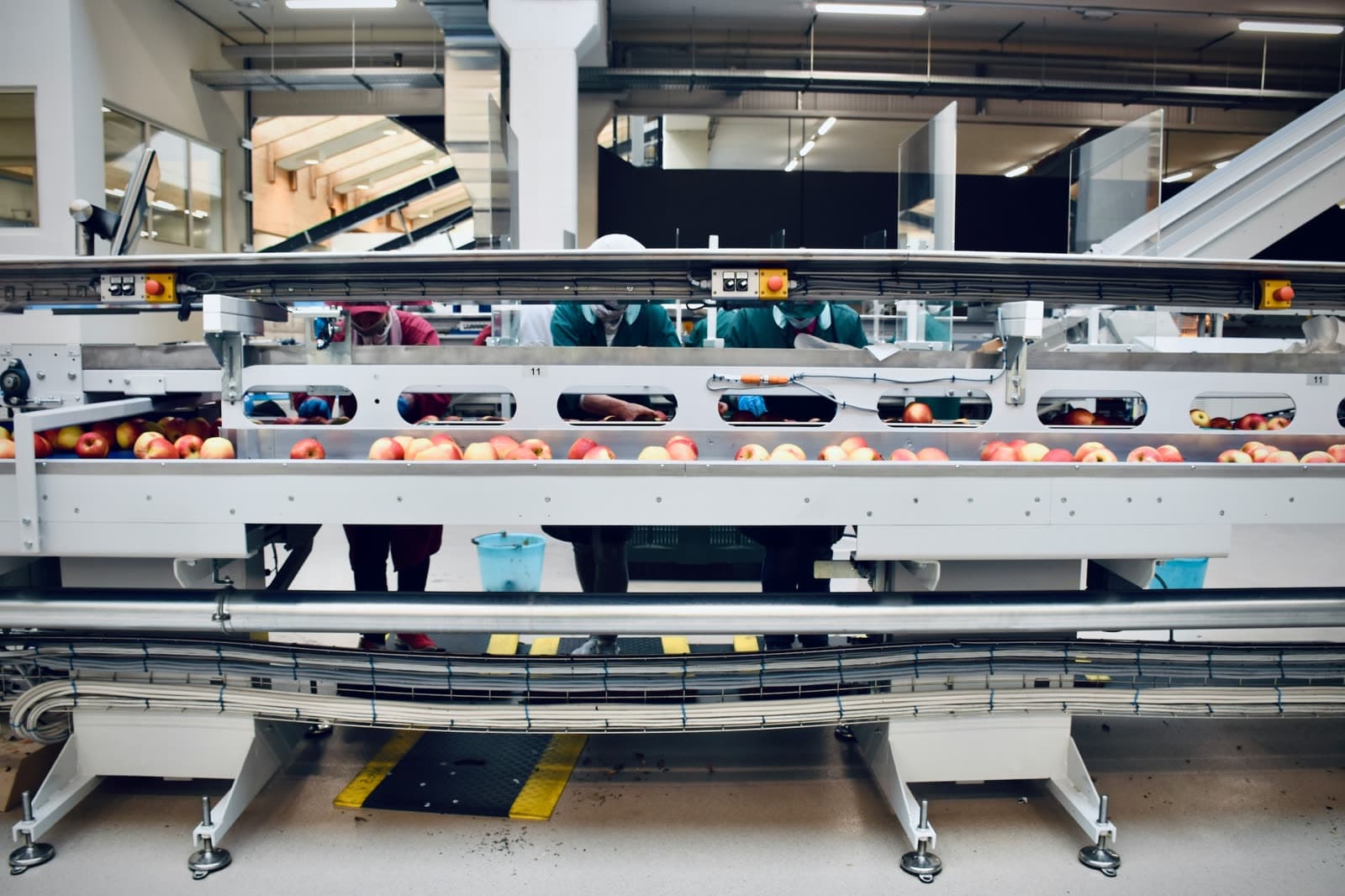
Food and beverage manufacturing
Connect motor, compressor, panel, and conveyor heat alerts to existing operator and maintenance paths.
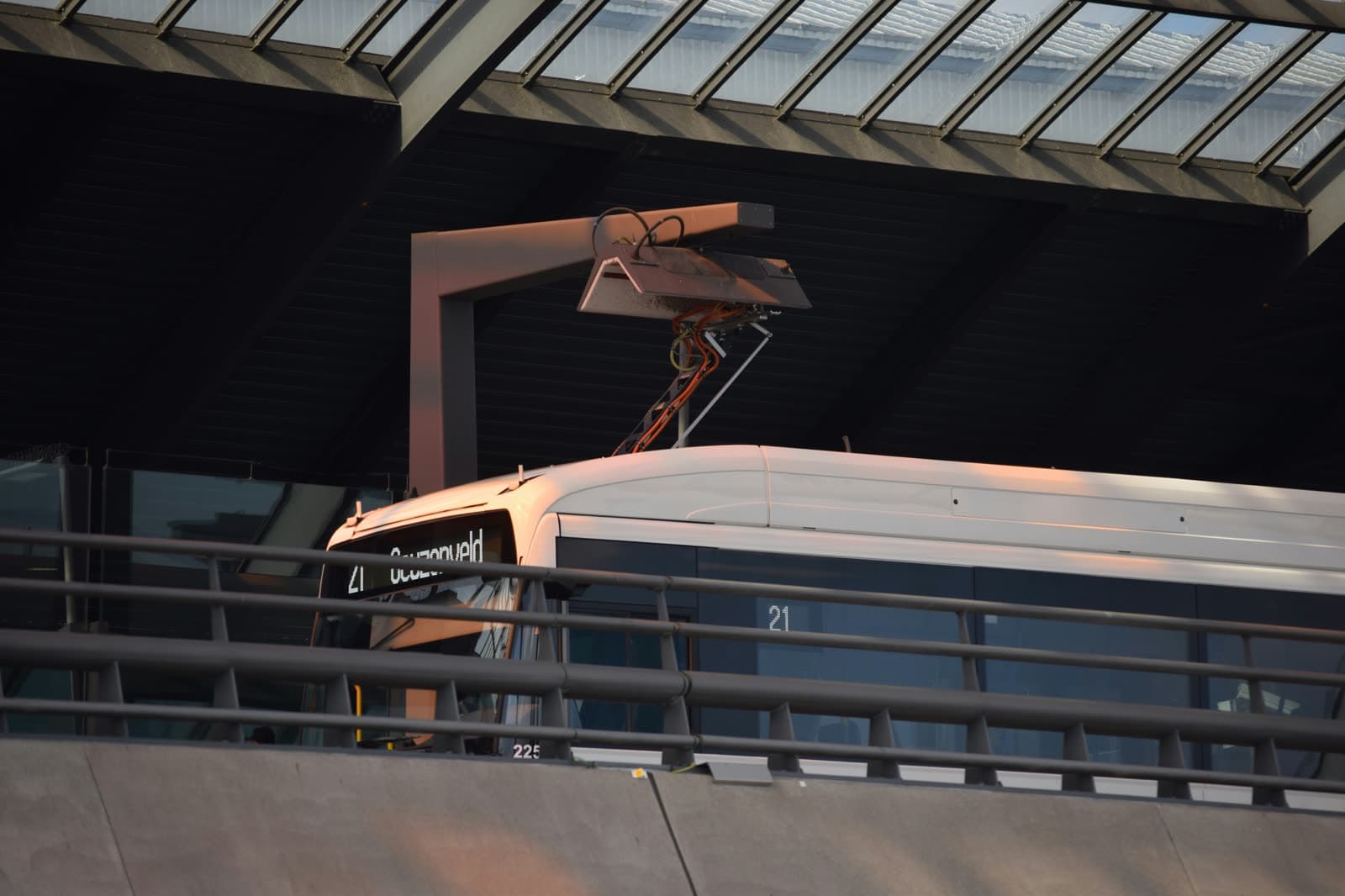
Electric bus depots and fleet charging
Use standards-based thermal alarm signals around chargers, batteries, and overnight fleet infrastructure.
FAQ
Questions teams ask before they deploy AVIAN
What does ODVA CONFORMANT mean for the AVIAN T100?
It means the T100 has received an ODVA Declaration of Conformity for EtherNet/IP. For controls teams, that provides vendor-independent assurance that the device implements the EtherNet/IP specification covered by the declaration.
Does EtherNet/IP replace the AVIAN cloud dashboard and alerts?
No. EtherNet/IP is one integration path for PLC and control-system workflows. AVIAN still provides thermal and RGB visibility, phone and app alerts, event history, reports, and remote access for the people who need to investigate and respond.
Can the T100 trigger machine stops or other PLC actions?
Yes, when the site design calls for it. The T100 can expose thermal alarm states over EtherNet/IP so a PLC or controls integrator can tie those states into alarms, interlocks, stops, or other response logic. The site's controls team remains responsible for final PLC logic and safety design.
Is this the same as a fire alarm or safety certification?
No. ODVA conformance applies to EtherNet/IP interoperability. It does not make the T100 a code-required fire alarm, safety-rated controller, or replacement for required detection, suppression, or emergency systems.
Do you provide integration files and support?
Yes. AVIAN supports technical handoff for controls teams and system integrators, including the information needed to connect T100 alarm states into the site PLC workflow.
Related resources
Thermal Monitoring Integrations
How AVIAN routes heat events to operators, maintenance, reports, and optional control actions.
PLC Integration and Auto-Stop
A deeper technical example of tying thermal alarms into PLC-controlled shutdown logic.
AVIAN Thermal Monitoring System
The full T100 system for continuous thermal monitoring, alerting, event history, and reporting.