The Industrial Fire Watch / Jun 26-Jul 2, 2026
When Heat Leaves Its Normal Zone
A weekly Fire Watch briefing on pipeline leaks, production-room explosions, recycling fires, and the weak signals that need earlier escalation.
What To Know
AVIAN tracked 88 industrial fire and explosion incidents from June 26 to July 2, 2026. The weekly source set covered 31 countries, with 88 reported injuries and 5 reported fatalities.
Recycling & Waste remained the largest named industry pattern, with 26 incidents across 12 countries and 14 reported injuries. But the highest human-impact events came from places where heat, vapor, pressure, stored material, or mechanical energy moved outside its normal zone: a naphtha pipeline, a production room, warehouses, scrap yards, waste stations, and mixed industrial storage.
For plant managers, EHS teams, maintenance leaders, and insurers, the lesson is not that every incident starts the same way. It is that weak signals need a defined path before the event becomes smoke, blast, evacuation, firefighter injury, or shutdown pressure.
88
Incidents
31
Countries
88
Injuries
5
Fatalities
Key Incidents
Naphtha pipeline fire in Haldia, India
- Event
- AP News reported that a fire broke out in a naphtha pipeline at a Haldia Petrochemicals facility and spread to nearby homes. Police said at least 20 people were injured, including five critically, and Haldia Petrochemicals said it was investigating the incident.
- Risk signal
- The cause was still under investigation. The credible hazard was flammable liquid outside normal containment, where vapor, heat, ignition, and nearby occupancy can compress the response window.
- Business impact
- Critical burn injuries, emergency response with 12 fire engines, nearby-home exposure, investigation, and restart scrutiny around a petrochemical asset.
Waste management station fire in Brooklyn, United States
- Event
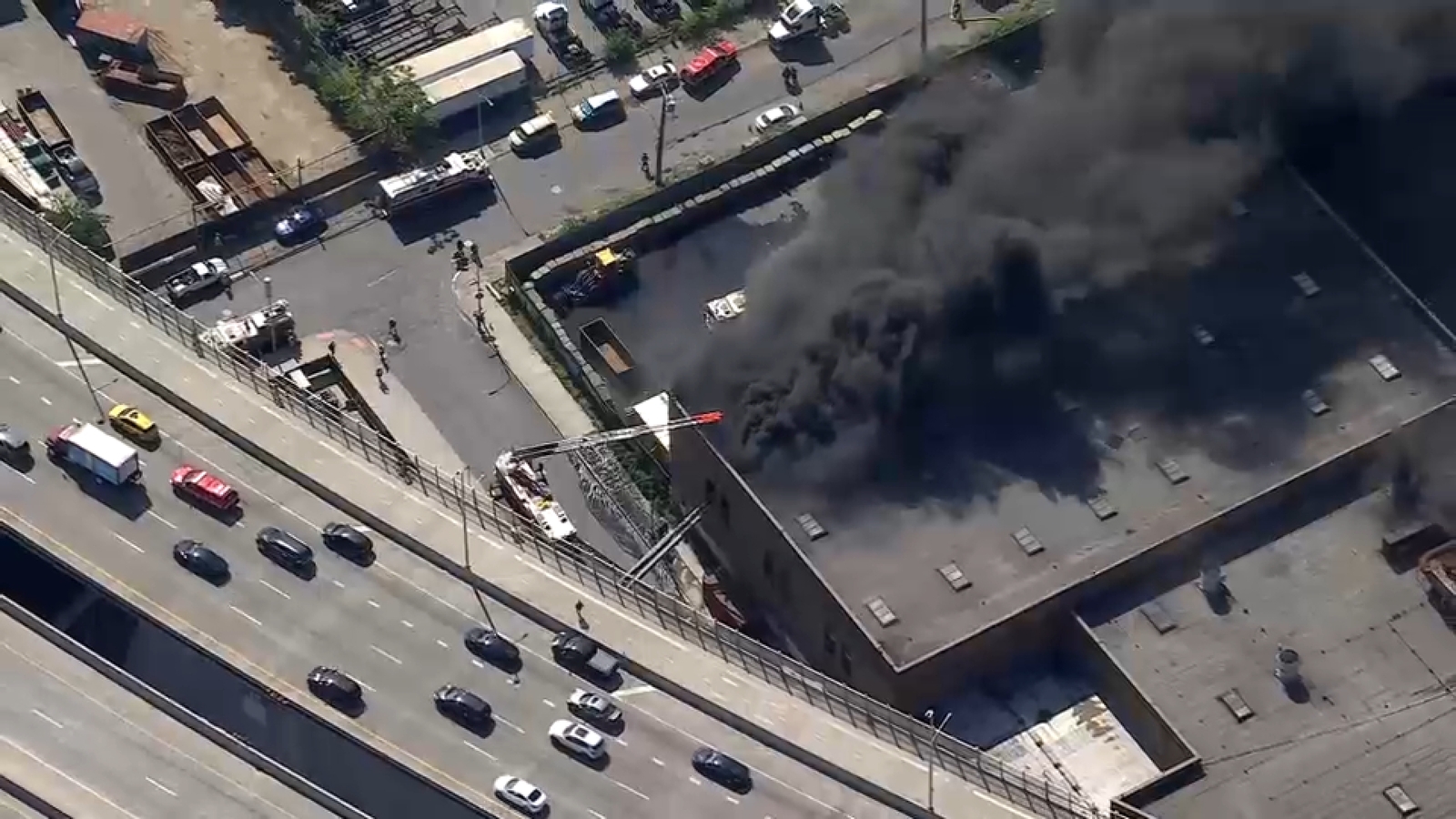
- ABC7 New York reported that a three-alarm fire at the 485 Scott Avenue waste management station in Greenpoint injured ten firefighters. FDNY said 63 units and 192 fire and EMS personnel responded to heavy fire and smoke inside the two-story recycling plant.
- Risk signal
- The cause was under investigation. The operational pattern was mixed waste, interior smoke, heat stress, and difficult firefighting inside a recycling facility during hot weather.
- Business impact
- Firefighter injuries, community smoke guidance, major emergency deployment, facility interruption, and public visibility from the Kosciuszko Bridge corridor.
Production-room explosion in Semarang, Indonesia
- Event
- VOI, citing ANTARA, reported that an explosion at PT Raw Botanical Nusantara in the Candi Industrial Estate killed one worker and burned seven others. Police said the initial suspicion was that the explosion originated from a sterilization tube in the production room, and the factory was closed during investigation.
- Risk signal
- A production machine, tube, or pressure-adjacent process can turn abnormal heat or pressure into blast, fire, roof damage, and worker exposure before ordinary visual confirmation is useful.
- Business impact
- Fatal worker loss, seven burn injuries, production stoppage, police investigation, roof and facility damage, and restart uncertainty.
Recycling facility fire in Sofia, Bulgaria
- Event
- BTA reported that a fire at Ecobulpak's waste treatment facility in Sofia involved two plastic recycling warehouses and about 2,000 square metres. Employees were evacuated, hazmat and ambulance resources responded, and the company said batteries or pressurized aerosol containers mixed with incoming waste were the likely cause, pending official investigation.
- Risk signal
- Battery-risk and pressurized-container contamination can enter a recycling line as ordinary material until heat, rupture, smoke, or fire makes the hazard visible.
- Business impact
- Employee evacuation, hazmat monitoring, water-supply constraints, damage assessment, and uncertainty around restoring service for separate waste collection districts.
Field Note
Normal Heat Needs Better Boundaries
Industrial sites already live with heat. Pipelines carry flammable products. Production rooms use pressure, steam, friction, motors, and process temperature. Recycling lines move unknown material. The risk rises when the site cannot distinguish normal heat from heat in the wrong place, at the wrong rate, or moving toward the wrong asset.
Three Risk Signals
Containment changes the timeline
OSHA process-safety guidance ties early release detection, alarms, operating limits, emergency shutdown, and mechanical integrity into one system. A flammable pipeline, reactor area, or production machine needs warning before the deviation becomes a fire scene.
Hot work and maintenance can move heat into hidden fuel
CSB hot-work lessons emphasize hazard analysis, gas monitoring, written permits, and checking adjacent spaces because spark-producing work can ignite surrounding combustibles or flammable atmospheres.
Mixed material can hide the first heat source
EPA and waste-industry guidance note that damaged lithium batteries and other hazardous items can enter waste and recycling streams, where inspection, isolation, thermal checks, emergency plans, and first-responder coordination become practical controls.
Technologies That Close The Gap
- Thermal monitoring around pipelines, production rooms, conveyors, storage zones, waste stations, scrap yards, motors, electrical assets, and material piles where abnormal heat needs to be seen early.
- Gas and fire detection layers for flammable liquid, chemical, battery off-gas, solvent, hydrogen, refrigeration, or process-vapor hazards where heat is only one part of the warning picture.
- Smart alarm filtering that separates routine process heat, vehicles, sun, hot work, and expected equipment cycles from persistent or fast-rising hotspots that deserve escalation.
- Escalation workflows for nights, weekends, yards, warehouses, and support spaces where the right responder may not be standing near the first abnormal signal.
- PLC and EtherNet/IP handoff for sites that want abnormal heat states available to PLC, SCADA, alarm, interlock, equipment-stop, or operator-response workflows.
What To Do Next
Find heat that has left its normal operating zone.
AVIAN tracks these incidents because the same failure pattern appears across high-risk facilities: heat usually becomes visible before the emergency becomes obvious.
AVIAN T100 thermal monitoring watches critical assets, material zones, and high-risk surfaces continuously. It detects abnormal heat, filters routine industrial activity, alerts the right team, and can connect to PLC workflows when a critical threshold needs action.
Prevention Moves
- 1Map the places where heat is expected and the places where heat is unacceptable: pipelines, production rooms, motors, conveyors, electrical cabinets, battery-risk areas, waste piles, and warehouse storage.
- 2Review which abnormal signals need a defined response: persistent heat, heat migration, flammable-gas reading, pressure deviation, battery-risk load, hot-work spark, or heat near stored combustible material.
- 3Decide where manual confirmation is too slow, especially in yards, unattended storage, after-hours operations, and process areas where people should not enter during escalation.
Questions For Your Site
- Which assets normally run hot, and how do you know when they are outside their normal zone?
- Where could flammable liquid, gas, vapor, battery material, or pressurized containers create danger before smoke is obvious?
- Which yards, warehouses, support rooms, or transfer points are not watched continuously?
- Which alarms are noisy enough that teams wait for visual confirmation before acting?
What's your take?
Where is heat most likely to leave its normal zone at your site: pipelines, production rooms, conveyors, electrical panels, material piles, batteries, or after-hours storage?
This Fire Watch edition is based on reviewed public news and registry entries in AVIAN's incident database. It is not a complete record of every industrial fire.