The Industrial Fire Watch / Aug 14-20, 2026
The Load Is Hot Before the Line Knows It
A weekly Fire Watch briefing on recycling and waste fires where batteries, solvents, vehicles, paper, cardboard, and stored material turned ordinary intake into worker and uptime risk.
What To Know
AVIAN tracked 25 Recycling & Waste fire and explosion incidents from August 14 to August 20, 2026. The focused source set covered 10 countries, with 1 reported injury and 2 reported fatalities.
The strongest pattern was material arriving with more risk than the line could see: an industrial recycling facility explosion during shift change, a suspected lithium battery inside landfill waste, salvage-yard fuel and oil runoff, transfer-station fires, paper and cardboard stocks, tyres, scrap vehicles, plastics, construction waste, and mixed recyclables.
For recycling operators, EHS teams, maintenance leaders, municipalities, and insurers, the practical question is not whether one bad battery or contaminated load can enter the site. It is whether intake, conveyors, piles, bunkers, balers, yards, and after-hours storage can see abnormal heat before smoke, collapse, runoff, or worker exposure becomes the first clear signal.
25
Incidents
10
Countries
1
Injuries
2
Fatalities
Key Incidents
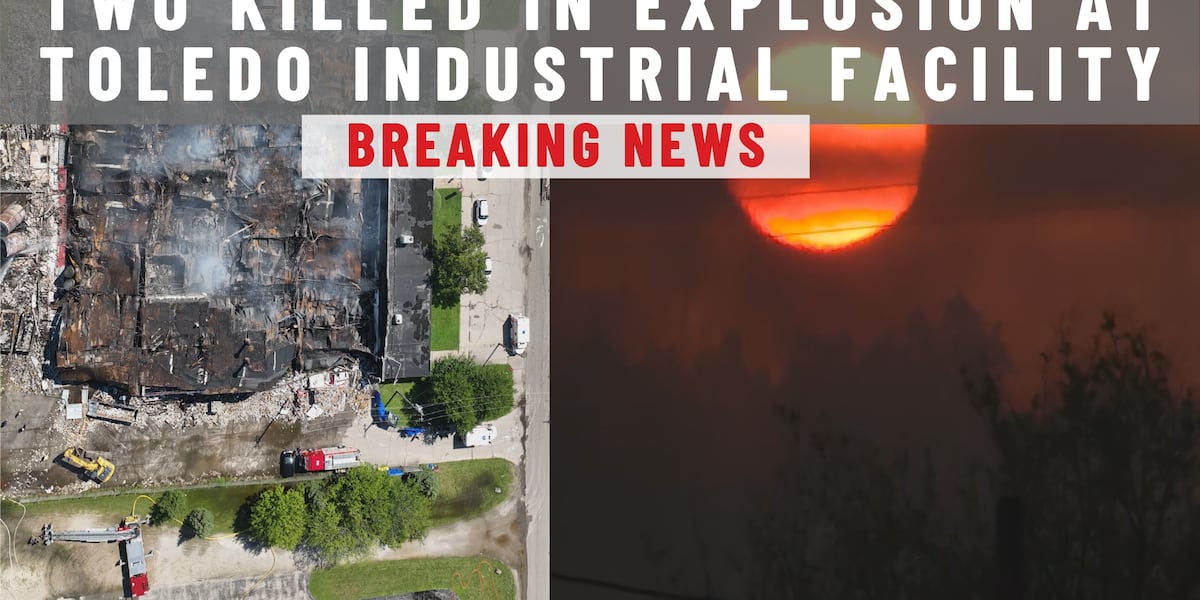
Industrial recycling facility explosion in Toledo, Ohio
- Event
- 13abc reported that explosions shortly before 5 a.m. at Brent Industries, an industrial cleaning and recycling facility in Toledo, killed two employees. Fire officials said 12 workers were inside during shift change, the building contained multiple tanks of mineral spirits, flames rose more than 100 feet, and part of the building collapsed.
- Risk signal
- The cause remained under investigation. The source-backed hazard pattern was solvent-containing industrial recycling, shift-change occupancy, explosion pressure, collapse risk, and difficult access to remaining fire inside a damaged building.
- Business impact
- Worker fatalities, employee injuries noted by officials, partial building collapse, hazardous-material and air monitoring, about 100 fire personnel involved in the response, investigation, and likely restart scrutiny around solvent tanks, waste handling, building access, and early warning.
Landfill battery fire in New Hanover County, North Carolina
- Event
- Port City Daily reported that a 100-foot-diameter subsurface fire broke out before dawn at the New Hanover County Landfill. Officials suspected a lithium battery cracked or broken by landfill equipment, and crews used specialized vehicles, water shuttling, bulldozers, and sand cover to expose and suppress hot spots.
- Risk signal
- The likely hazard category was lithium-ion thermal runaway inside mixed waste. A damaged battery can self-heat, use surrounding trash as fuel, and create an intense underground fire before the surface signal is obvious.
- Business impact
- Early-morning emergency response, landfill staff mobilization, site-access control, heavy-equipment operation on soft landfill slopes, hot-spot management, cover work, and public reminders about battery disposal.
Auto salvage yard fire in De Soto, Iowa
- Event
- KCCI reported that a large fire destroyed Hawkeye Auto Salvage in De Soto. One person was burned and transported for hospital treatment, multiple volunteer departments responded, and heavy machinery was used to pull apart the structure so crews could reach hot spots.
- Risk signal
- The cause was under investigation. The operational pattern was vehicle-salvage material, structure fire, heat that crews could feel from a distance, and fuel or oil contamination after the incident.
- Business impact
- Worker burn injury, salvage-yard structure loss, highway closure, multi-agency response, hot-spot overhaul, and Iowa DNR investigation after a fuel, oil, and water mixture reached Bulger Creek.
Wood and construction-waste recycling fire near Lyon, France
- Event
- France 3 reported that a major industrial fire broke out at DBS, a wood and construction-waste recycling company near Lyon-Saint-Exupery airport. Around 40 firefighters responded, employees were evacuated safely, and a 1,000 cubic meter sheet-metal building was destroyed while other buildings were largely spared.
- Risk signal
- Investigators suspected an accidental fire that began outside the cardboard-zone building, possibly from a truck unloading waste. The prevention pattern was load arrival, combustible sorting zones, building exposure, and rapid separation between the first heat signal and broader material involvement.
- Business impact
- Employee evacuation, destroyed recycling building, emergency response near airport infrastructure, interruption to yard operations, and restart pressure around unloading, cardboard, wood, and construction-waste handling.
Field Note
Batteries and Bad Loads Do Not Wait for Smoke
Recycling and waste sites inherit risk from every customer, route, container, trailer, and truck. A lithium-ion battery can be hidden in ordinary waste. A solvent-soaked textile load can enter a recycling process. A vehicle can carry fuel or oil. Paper, cardboard, plastics, tyres, and construction debris can store heat long enough for the first visible signal to arrive too late for a calm response.
Three Risk Signals
Battery identification has to happen early
The SWANA, NWRA, and ReMA MRF guide emphasizes inbound material control, battery identification, safe removal supplies, dedicated storage, and employee training. The risky battery may appear at the tip floor, sorting station, conveyor, baler, bale storage, loose bin, or truck storage area.
Damaged batteries are a different operating condition
EPA guidance says lithium batteries should be protected from damage, terminals should be isolated, damaged batteries should be separated, and facilities should use training, fire detection, suppression, thermal inspections, first-responder communication, and emergency plans to reduce fire risk.
Material contact points create ignition opportunities
The MRF guide calls out friction and machinery contact during unloading, loader movement, conveyor transfer, screens, balers, and storage. That matters because the same hidden heat signal can move from a bad load into a pile, vehicle, structure, runoff problem, or worker-exposure event.
Technologies That Close The Gap
- Thermal monitoring over tipping floors, conveyors, bunkers, balers, shredder feed areas, vehicle-salvage zones, transfer trailers, bale storage, and outdoor piles where abnormal heat can start before smoke is obvious.
- Lithium-ion battery fire prevention for battery-prone intake, sorting, isolation, damaged-battery storage, and post-incident watch areas where thermal runaway can escalate quickly.
- Smart alarm filtering that separates routine loader, forklift, engine, sun, and process heat from persistent or fast-rising hotspots in dusty, open, and mixed-material environments.
- Escalation workflows for nights, weekends, early shifts, unattended yards, transfer stations, and landfill slopes where the right responder may not be near the first abnormal signal.
- PLC or suppression handoff for zones where abnormal heat should stop a belt, pause loading, isolate equipment, trigger deluge readiness, or route an operator before a small event becomes a facility emergency.
What To Do Next
Find heat while it is still a load problem.
AVIAN tracks these incidents because the same failure pattern appears across high-risk facilities: **heat usually becomes visible before the emergency becomes obvious.**
AVIAN T100 thermal monitoring watches critical assets, material zones, and high-risk surfaces continuously. It detects abnormal heat, filters routine industrial activity, alerts the right team, and can connect to PLC workflows when a critical threshold needs action.
Prevention Moves
- 1Walk the recycling site as an intake-to-storage heat map: route trucks, tip floors, sorting stations, conveyors, bunkers, balers, vehicle-salvage areas, landfill working faces, transfer trailers, bale storage, paper and cardboard areas, tyre piles, plastics, and outdoor yard zones.
- 2Identify which locations still depend on manual rounds, smell, visible smoke, loader operators, security calls, or neighboring businesses rather than continuous abnormal-heat visibility.
- 3Tie high-consequence zones to a written response path so heat can trigger inspection, belt stop, isolation, suppression readiness, first-responder communication, or evacuation before collapse, runoff, or worker exposure becomes part of the incident.
Questions For Your Site
- Which inbound streams are most likely to carry batteries, solvents, fuel, oil, hot material, or contaminated absorbents?
- Where could a battery, vehicle, paper pile, cardboard load, tyre stack, or transfer trailer heat for hours before anyone sees smoke?
- Which early-morning, night, weekend, landfill-slope, yard, or storage areas depend on someone nearby noticing the first sign?
- Which alarms are easy to ignore because they do not separate routine loader, truck, sun, or process heat from abnormal heat?
What's your take?
Which recycling heat risk is easiest to miss at your facility: batteries in the load, solvent-contaminated material, transfer trailers, vehicle salvage, paper and cardboard storage, tyres, landfill working faces, or after-hours piles?
This Fire Watch edition is based on reviewed public news and registry entries in AVIAN's incident database. It is not a complete record of every industrial fire.