The Industrial Fire Watch / Jul 31-Aug 6, 2026
When Heat Finds the Wrong Material
A weekly Fire Watch briefing on mixed manufacturing, storage, and process-site fires where ordinary heat sources met fuel, chemicals, dust, and escape-time pressure.
What To Know
AVIAN tracked 28 non-conflict fire and explosion incidents in mixed manufacturing, storage, and process sites from July 31 to August 6, 2026. The focused source set covered 16 countries, with 35 reported injuries and 5 reported fatalities.
The strongest pattern was heat meeting the wrong material before people had useful warning: a suspected short circuit in an electronics factory, a fuel storage tank explosion, paint-related flammable material, textile dyeing operations, sulphur storage, cotton and tobacco warehouses, mattress production, industrial machinery, plastics, solvents, and other warehouse fire loads.
For plant managers, EHS teams, maintenance leaders, and insurers, the practical question is not only "what could ignite?" It is "where would a small abnormal heat signal become smoke, blast pressure, toxic exposure, structural collapse, or blocked access before the right person sees it?"
28
Incidents
16
Countries
35
Injuries
5
Fatalities
Key Incidents
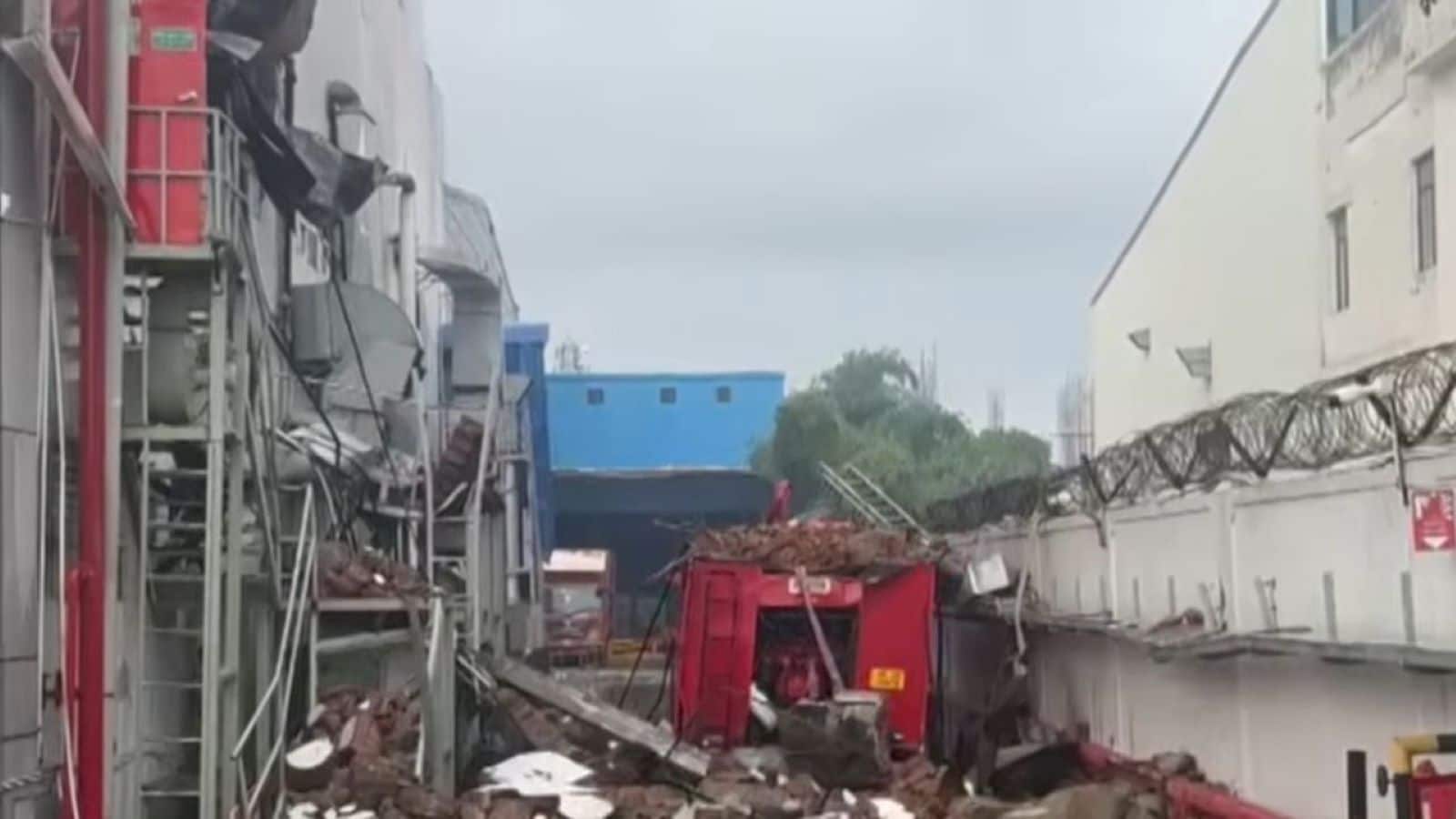
Electronic-chip factory fire in Greater Noida, India
- Event
- CNBC-TV18 reported that a massive fire broke out at an electronic-chip manufacturing unit in Greater Noida's Ecotech-3 industrial area. Two firefighters died and three others were injured when a wall and iron beam collapsed during firefighting operations.
- Risk signal
- The suspected cause was a short circuit, still under investigation. Electrical heat inside a worker-occupied manufacturing building can escalate into smoke, structural damage, and responder exposure before the source is safe to reach.
- Business impact
- Firefighter fatalities, injuries, factory damage, investigation, emergency-response scrutiny, and likely restart review around electrical assets, building integrity, access paths, and escalation timing.
Fuel storage tank explosion in Shamsabad, Iran
- Event
- Tasnim News Agency reported that a fuel storage tank caught fire and exploded at an industrial unit in the Shamsabad Industrial Estate south of Tehran, injuring 18 people. Officials ruled out an external strike and said the blast spread fire to other sections of the facility.
- Risk signal
- Fuel and industrial-material storage can move from abnormal heat to vapor, pressure, explosion, and secondary fire spread when ignition is not detected and isolated early.
- Business impact
- Eighteen injuries, emergency medical response, blast damage to a nearby EMS station, expanded fire area, investigation, and likely review of tank monitoring, separation, ventilation, and ignition control.
Paint factory fire in Ulsan, South Korea
- Event
- Seoul Economic Daily reported that a fire at a paint factory in Nam-gu, Ulsan killed one person, seriously injured another, and sent three more people for emergency treatment. Fire officials said full extinguishing would take time because paint-related flammable materials were stored inside the factory.
- Risk signal
- Paint and coating operations combine flammable liquids, stored material, vapors, electrical assets, hot surfaces, and process areas where early heat, gas, smoke, or pressure signals need a trusted response path.
- Business impact
- Fatal worker loss, serious injury, emergency evacuation of nearby residents, black smoke, explosions reported around the site, Level 1 fire response, and investigation before normal operation can resume.
Sulphur warehouse fire in Port Adelaide, Australia
- Event
- Anadolu Agency reported that a major fire at a sulphur storage warehouse in Port Adelaide forced evacuations and shelter guidance as toxic smoke spread. Firefighters rescued one worker and deployed 15 crews with hazardous-materials specialists.
- Risk signal
- Stored sulphur and other reactive or hazardous materials can turn a local heat event into a site-boundary and public-health problem when smoke toxicity, wind direction, and evacuation timing become part of the incident.
- Business impact
- Worker rescue, one-kilometre evacuation zone, road closures, hazmat response, public health warnings, and interruption to surrounding businesses while crews contained the blaze.
Field Note
Heat, Fuel, and Access Need One Map
Mixed industrial sites often review electrical systems, flammable liquids, combustible dust, chemical storage, warehouse layout, and evacuation routes in separate programs. The incident pattern this week shows why they need one operating map. When heat begins near the wrong fuel, the first few minutes decide whether teams isolate a hotspot, manage a tank or vapor hazard, or account for people after smoke, blast pressure, or collapse changes the scene.
Three Risk Signals
Ignition control is a named responsibility
OSHA's fire-prevention-plan rule calls for identifying major fire hazards, hazardous-material storage procedures, ignition sources and controls, combustible-waste accumulation, and safeguards on heat-producing equipment.
Flammable liquids widen the warning picture
OSHA's flammable-liquids rule points to hot surfaces, frictional heat, static, electrical and mechanical sparks, chemical reactions, vapor control, ventilation, and emergency venting. Heat alone may be only one part of the risk signal.
Dust and stored material hide escalation paths
OSHA combustible-dust guidance calls out hidden accumulations, ducts, dust collectors, containers, hot work, friction, bearings, hot surfaces, electrical equipment, and self-heating material as places where a small heat source can become a larger fire or explosion.
Technologies That Close The Gap
- Thermal monitoring over production rooms, warehouses, electrical cabinets, motors, tanks, compressors, textile areas, paint rooms, machinery, and support spaces where abnormal heat can begin outside the main operator view.
- Gas and fire detection layers for fuel, solvent, paint, sulphur, chemical, vapor, dust, compressed-gas, and off-gas areas where heat, LEL, smoke, and flame signals need to work together.
- Smart alarm filtering that separates forklifts, sun, hot process equipment, moving machinery, and normal production heat from persistent or fast-rising hotspots.
- Escalation workflows for nights, weekends, warehouse corners, upper floors, yards, and support buildings where the right responder may not be near the first abnormal signal.
- PLC or equipment-response handoff for zones where abnormal heat should trigger equipment stop, ventilation changes, isolation steps, suppression readiness, or operator action.
What To Do Next
Map the heat source before it meets the wrong fuel.
AVIAN tracks these incidents because the same failure pattern appears across high-risk facilities: **heat usually becomes visible before the emergency becomes obvious.**
AVIAN T100 thermal monitoring watches critical assets, material zones, and high-risk surfaces continuously. It detects abnormal heat, filters routine industrial activity, alerts the right team, and can connect to PLC workflows when a critical threshold needs action.
Prevention Moves
- 1Walk the site as a combined heat, fuel, and access map: electrical rooms, panels, motors, tanks, paint and solvent areas, textile lines, sulphur or chemical storage, cotton and tobacco warehouses, mattress or foam areas, plastics, dust paths, chargers, and support spaces.
- 2Identify which zones still depend on odor, smoke, manual rounds, or a nearby worker instead of continuous abnormal-heat visibility.
- 3Tie high-consequence zones to a written response path so heat, gas, smoke, or equipment state reaches the right person before evacuation, collapse risk, or hazmat exposure becomes the first clear signal.
Questions For Your Site
- Which production or storage zones combine ordinary heat sources with combustible, flammable, reactive, or toxic material?
- Where could smoke, vapor, or blast pressure block the normal access route before the source is confirmed?
- Which night, weekend, warehouse, yard, upper-floor, or support-building areas depend on someone nearby noticing heat?
- Which alarms do teams delay because they cannot separate routine process heat from abnormal conditions?
What's your take?
Which mixed-site heat risk is easiest to miss at your facility: electrical cabinets, tanks, paint or solvent areas, textile lines, warehouse aisles, chemical storage, dust paths, or after-hours support spaces?
This Fire Watch edition is based on reviewed public news and registry entries in AVIAN's incident database. It is not a complete record of every industrial fire.