The Industrial Fire Watch / Jul 3-9, 2026
The Fire Load Around the Line Became the Emergency
A weekly Fire Watch briefing on mixed manufacturing, storage, and process-site fires where combustible inventory, heat, and escape time became the real risk.
What To Know
AVIAN tracked 42 fire and explosion incidents in mixed manufacturing, storage, and process sites from July 3 to July 9, 2026. The focused source set covered 21 countries, with 8 reported injuries and 33 reported fatalities.
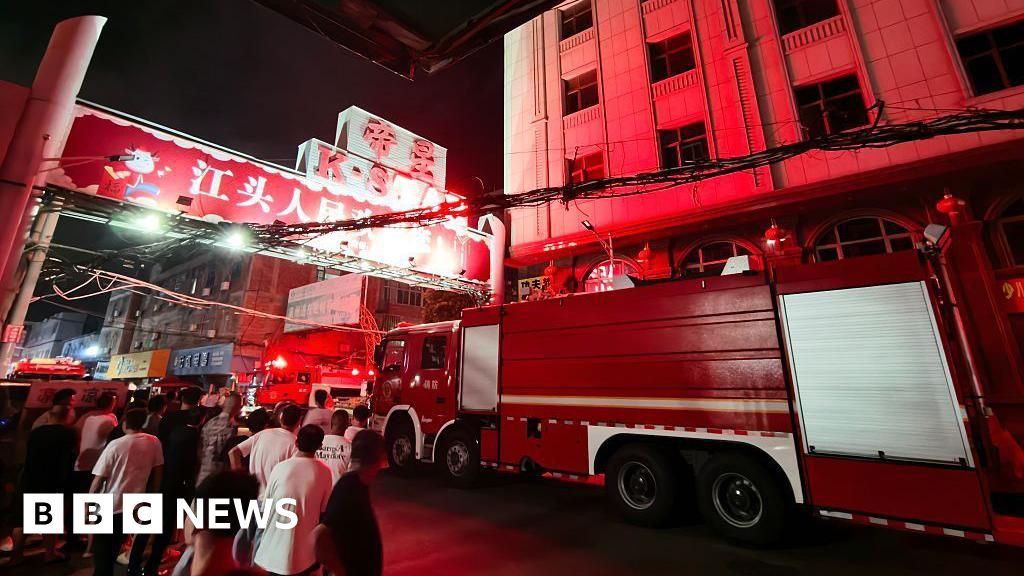
The week was defined by worker-occupied spaces where the fire load around the line mattered as much as the production asset itself: footwear material, plastic and textile storage, paint manufacturing, oxygen cylinders near hot process equipment, fuel storage, warehouses, and industrial support buildings. In the highest-fatality event, BBC News reported that at least 28 people died after a fire broke out at the Huiteng Footwear factory in Jinjiang, China, where preliminary reports pointed to flammable materials stored on the ground floor.
For plant managers, EHS teams, maintenance leaders, and insurers, the practical lesson is direct: combustible inventory, heat-producing equipment, alarm quality, and exit time cannot be reviewed separately. A hotspot that looks small from the floor can become the event that decides whether people have minutes, seconds, or no clear path out.
42
Incidents
21
Countries
8
Injuries
33
Fatalities
Key Incidents
Footwear factory fire in Jinjiang, China
- Event
- BBC News reported that a fire at the Huiteng Footwear factory killed at least 28 people after the blaze broke out around noon at the multistory plant. State media said nearly 240 people were at the factory, 213 were evacuated, and some people appeared trapped on the roof during the response.
- Risk signal
- The cause remained under investigation, but initial reports pointed to flammable shoe materials stored on the ground floor. That combination can turn a local heat source into smoke, vertical spread, trapped workers, and compressed evacuation time.
- Business impact
- Fatal worker loss, rescue operations with more than 500 personnel, accountability action by authorities, frozen company accounts reported by state media, and major scrutiny around fire prevention in a high-output footwear manufacturing region.
Oxygen-cylinder explosion at a pig iron and ferroalloy factory in Raipur, India
- Event
- News18 reported that an oxygen cylinder explosion at 3 D Innovations in Raipur killed three workers and started a fire near the furnace area. Police sealed off the site for investigation.
- Risk signal
- The reported cylinder explosion near hot process equipment points to a short escalation path where gas, pressure, heat, and ignition can move faster than manual confirmation.
- Business impact
- Fatal worker loss, police investigation, process interruption, and restart scrutiny around furnace-adjacent work and compressed-gas handling.
Paint factory fire in Kocaeli, Turkey
- Event
- TRT Haber reported that a fire at the Pamir Boya paint factory killed one worker and sent two people to hospital for smoke inhalation. Firefighters brought the blaze under control after about three hours.
- Risk signal
- The cause was not yet confirmed. Paint and coating operations can combine combustible liquids, process heat, ventilation, electrical assets, and stored material in spaces where early abnormal heat needs a clear response path.
- Business impact
- Fatal worker loss, smoke injuries, firefighting and cooling operations, official site inspections, and likely investigation before normal operation can resume.
Mattress sheet manufacturing unit fire in Hapur, India
- Event
- The Times of India reported that a 4 a.m. fire at a mattress sheet manufacturing unit in Hapur killed one worker who was trapped inside and seriously burned another worker. Six fire tenders brought the blaze under control after several hours.
- Risk signal
- The cause was still under investigation. Mattress, textile, foam, fabric, and packaging materials can create fast smoke and flame spread when ignition occurs during low-staffed or early-morning hours.
- Business impact
- Fatality, serious burn injury, factory loss, police inquiry, neighborhood concern, and extended suppression before crews could enter the gutted building.
Field Note
Fuel Load, Heat, and Escape Time Belong in One Review
This week's mixed-site pattern is a reminder that fire prevention is not only an equipment question. It is also a layout question. Where is combustible material stored? Which equipment can produce heat? Which alarms are trusted? Which route will a worker take if smoke reaches the aisle first?
Three Risk Signals
Combustible material near ordinary heat
OSHA's fire-prevention-plan rule calls for identifying major fire hazards, hazardous-material storage procedures, ignition-source controls, combustible-waste controls, and maintenance of safeguards on heat-producing equipment. Those items belong in one operating review, not separate binders.
Hidden fuel changes the size of the event
OSHA combustible-dust guidance and CSB investigations both point to hazard assessment, housekeeping, ignition control, engineering controls, operating procedures, and worker training as practical controls for manufacturing sites that handle combustible particulate or stored material.
Exit time is part of detection time
OSHA exit-route rules require clear routes, maintained safeguards, and operable employee alarms unless workers can promptly see or smell the hazard in time. In a high-fire-load space, waiting for human senses can be too late.
Technologies That Close The Gap
- Thermal monitoring over production rooms, storage aisles, mezzanines, material staging, motors, furnaces, compressors, electrical cabinets, and roofline assets where abnormal heat can start away from the main operator view.
- Gas and fire detection layers for paint, solvent, compressed-gas, battery, fuel, chemical, refrigeration, or process-vapor areas where heat is only one part of the warning picture.
- Smart alarm filtering that separates normal forklifts, sunlight, hot process equipment, vehicles, and expected production heat from persistent or fast-rising hotspots.
- Escalation workflows for early mornings, nights, weekends, warehouses, and support spaces where the right responder may not be standing near the first abnormal signal.
- PLC or shutdown handoff for zones where abnormal heat should trigger equipment stop, ventilation, isolation, suppression preparation, or operator action.
What To Do Next
Find the heat source before it controls the exit path.
AVIAN tracks these incidents because the same failure pattern appears across high-risk facilities: **heat usually becomes visible before the emergency becomes obvious.**
AVIAN T100 thermal monitoring watches critical assets, material zones, and high-risk surfaces continuously. It detects abnormal heat, filters routine industrial activity, alerts the right team, and can connect to PLC workflows when a critical threshold needs action.
Prevention Moves
- 1Walk the facility as a fire-load map, not only an equipment map: stacked inventory, packaging, dust paths, paint or solvent areas, compressed-gas storage, textiles, foam, plastic, scrap, and warehouse aisles.
- 2Review which heat sources are watched continuously and which are still found by rounds, odor, smoke, or a worker noticing something unusual.
- 3Connect high-consequence zones to a written escalation path so abnormal heat, gas, smoke, or equipment state moves to the right responder before evacuation is the only remaining control.
Questions For Your Site
- Which production or storage areas combine combustible inventory with equipment that can run hot?
- Where could smoke block the normal route before workers understand where the fire started?
- Which early-morning, night, weekend, or low-staffed zones depend on someone being nearby to notice heat?
- Which alarms are ignored because they confuse normal process heat with real abnormal conditions?
What's your take?
Where would a small heat source have the least forgiveness at your site: stored material, process rooms, compressed-gas areas, electrical cabinets, roof spaces, or exit routes?
This Fire Watch edition is based on reviewed public news and registry entries in AVIAN's incident database. It is not a complete record of every industrial fire.