The Industrial Fire Watch / Jun 13-19, 2026
The Battery in the Wrong Load Becomes Everyone's Problem
A weekly Fire Watch briefing on recycling fires where scrap, tires, batteries, conveyors, and piles turned hidden heat into public smoke and long responses.
What To Know
AVIAN tracked 21 Recycling & Waste fire incidents from June 13 to June 19, 2026. The focused source set covered 11 countries and showed no reported injuries or fatalities in the weekly metric fields, but several incidents still created evacuation, roof-collapse, smoke, and extended-response pressure.
The strongest pattern was mixed material under mechanical stress: scrap vehicles, construction debris, tires, waste-to-energy conveyors, shredder areas, batteries, and outdoor piles. In recycling, the dangerous heat source is often not visible at intake. It may be inside a load, beneath the top layer of a pile, or moving quickly toward a shredder, baler, conveyor, or storage bunker.
For recycling operators, EHS leaders, maintenance teams, and insurers, the practical question is whether the site can see abnormal heat while the event is still small enough to isolate. Once the plume is visible from a road, bridge, or neighborhood, the facility is already managing response, cleanup, downtime, and community concern.
21
Incidents
11
Countries
Key Incidents
Scrap-metal recycling yard fire in Erith, United Kingdom
- Event
- KentOnline reported that about 100 tonnes of scrap metal burned at a Landau Way industrial estate in Erith. At the peak, 10 engines and about 70 firefighters responded, and crews used specialist resources including water bowsers, a high-volume pump, a turntable ladder, and a drone.
- Risk signal
- London Fire Brigade said the cause was officially undetermined, but the failure of a lithium-ion battery within the waste was considered probable.
- Business impact
- Long firefighting response, heavy smoke, community window-and-door guidance, specialist-resource deployment, cleanup, and scrutiny of battery risk in scrap streams.
Waste-to-energy facility fire in Rochester, USA
- Event
- CapeCod.com reported that a third-alarm fire at the SEMASS/Covanta waste-to-energy facility started with heavy smoke from the shredder area. Rochester Fire said a conveyor belt system feeding waste into a shredder had broken and spread fire within the facility.
- Risk signal
- Conveyor, shredder, and waste-feed systems can move heat from one zone to another before teams have a clean visual location.
- Business impact
- Mutual-aid response, firefighter heat-exhaustion evaluation, employee medical evaluation, partial roof collapse from intense heat, overhaul work, and interruption around a critical waste-processing asset.
Recycling facility fire in Dettelbach, Germany
- Event
- Radio Gong reported that about 150 responders worked a major fire at a Dettelbach recycling operation. The fire likely began in a scrap vehicle, batteries in the fire repeatedly created new heat sources, and crews pulled apart the scrap to extinguish it properly.
- Risk signal
- Battery-contaminated scrap can keep producing new hotspots after the first visible flames are knocked down.
- Business impact
- Extended emergency response, smoke warning, heavy overhaul, and prevented spread to an adjacent forest and a storage hall containing gas cylinders and other combustible materials.
Tire-recycling facility fire in Cerrillos, Chile
- Event
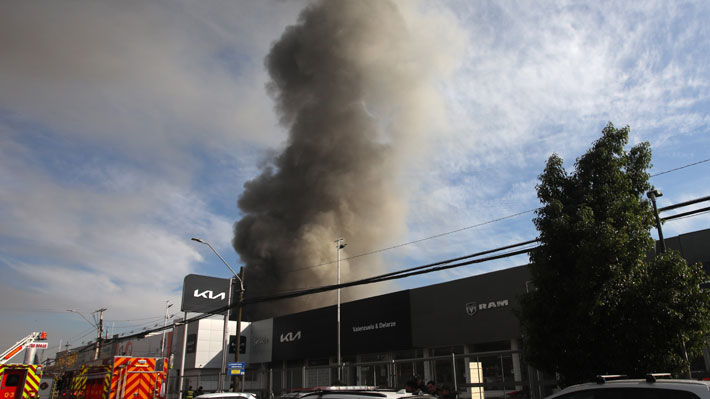
- Emol reported that a structural fire affected a shed and interior yard at Transformaciones Sustentables SPA-TS Chile, a tire-recycling operation in Cerrillos. The fire generated a large smoke column, prompted the preventive evacuation of 21 people, and was later contained without spread to nearby homes.
- Risk signal
- Used tire and yard storage can create dense smoke and difficult overhaul even when the initiating cause is not confirmed.
- Business impact
- Evacuation, road restriction, municipal and emergency-agency response, public smoke concern, and business disruption while the incident remained under investigation.
Field Note
Recycling Fires Start Before the Smoke Column
Recycling facilities handle uncertainty by design. Loads arrive mixed, damaged, wet, compressed, mislabeled, or contaminated. EPA and waste-industry guidance point to the same practical lesson: lithium-ion batteries and other hazardous items need to be identified, isolated, monitored, and built into the site's emergency plan before they reach the equipment or pile where a small heat signal can become a facility event.
Three Risk Signals
Battery heat can be hidden in ordinary material
EPA notes that lithium batteries can be damaged during unloading, tipping-floor movement, conveyor travel, screens, balers, and other mechanical processing. The first useful signal may be heat, not smoke.
Piles and stored loads extend the event
Scrap, tires, cardboard, plastic, construction debris, and mixed waste can hold heat below the surface. Once crews are pulling piles apart, the facility has already moved from prevention into overhaul.
Response quality matters before the alarm
SWANA, NWRA, and ReMA guidance emphasizes written plans, training, battery identification, safe temporary storage, emergency action procedures, and coordination with first responders.
Technologies That Close The Gap
- Thermal monitoring over tipping floors, conveyors, shredder infeed, balers, bunkers, scrap piles, tire storage, and outdoor material yards where abnormal heat can start below normal sight lines.
- Battery-risk detection that turns the first seconds of a battery failure into a targeted operator response window.
- Smart alarm filtering that separates loaders, trucks, sun, hot exhaust, and routine process heat from persistent or fast-rising hotspots in busy recycling zones.
- Escalation and PLC handoff for conveyors, shredders, balers, ventilation, suppression, or isolation steps when a critical heat threshold needs action.
What To Do Next
See the heat while the load is still manageable.
AVIAN tracks these incidents because the same failure pattern appears across high-risk facilities: heat usually becomes visible before the emergency becomes obvious.
AVIAN T100 thermal monitoring watches critical assets, material zones, and high-risk surfaces continuously. It detects abnormal heat, filters routine industrial activity, alerts the right team, and can connect to PLC workflows when a critical threshold needs action.
Prevention Moves
- 1Map the zones where mixed material is compressed, shredded, conveyed, baled, piled, or left unattended, then decide which of those areas cannot rely on manual rounds.
- 2Review whether battery-risk procedures cover detection, quarantine, temporary storage, response ownership, and first-responder coordination.
- 3Treat persistent hotspots after suppression as a restart risk, not only an emergency-scene problem.
Questions For Your Site
- Where can a battery, vape, e-bike pack, tool battery, or damaged device enter your material stream without anyone seeing it?
- Which conveyors, shredders, balers, bunkers, or piles can move heat faster than a person can confirm it?
- What happens after hours if a pile, bale, vehicle, or tire stack starts warming slowly?
- Which alarms do operators distrust because normal loader, truck, weather, or process heat triggers them too often?
What's your take?
Which recycling heat risk is easiest to miss at your site: batteries in the load, conveyors, balers, tire storage, scrap piles, or after-hours material yards?
This Fire Watch edition is based on reviewed public news and registry entries in AVIAN's incident database. It is not a complete record of every industrial fire.