The Industrial Fire Watch / Oct 2-8, 2026
Food Plants Need Heat Visibility Around the Work Order
A weekly Fire Watch briefing on food and beverage facilities where maintenance work, exhaust piping, processing rooms, and warehouses compressed the response window.
What To Know
AVIAN tracked 6 Food & Beverage Manufacturing fire incidents from October 2 to October 8, 2026. The focused source set covered 5 countries, with 2 reported injuries and 1 reported fatality.
The strongest pattern was heat entering ordinary food-plant work: welding on bakery machinery, an exhaust-piping fire inside a cocoa plant, a food manufacturing floor where a worker was burned, a hemp processing building with a partial roof collapse, a brewery with heavy building damage, and a farm shop fire that spread into offices and warehouse space.
For plant managers, EHS teams, maintenance leaders, insurers, and operations executives, the practical question is not whether a work order looks routine. It is whether maintenance areas, exhaust runs, processing rooms, roof spaces, warehouses, and occupied production zones can show abnormal heat before smoke, evacuation, or injury becomes the first clear signal.
6
Incidents
5
Countries
2
Injuries
1
Fatalities
Key Incidents
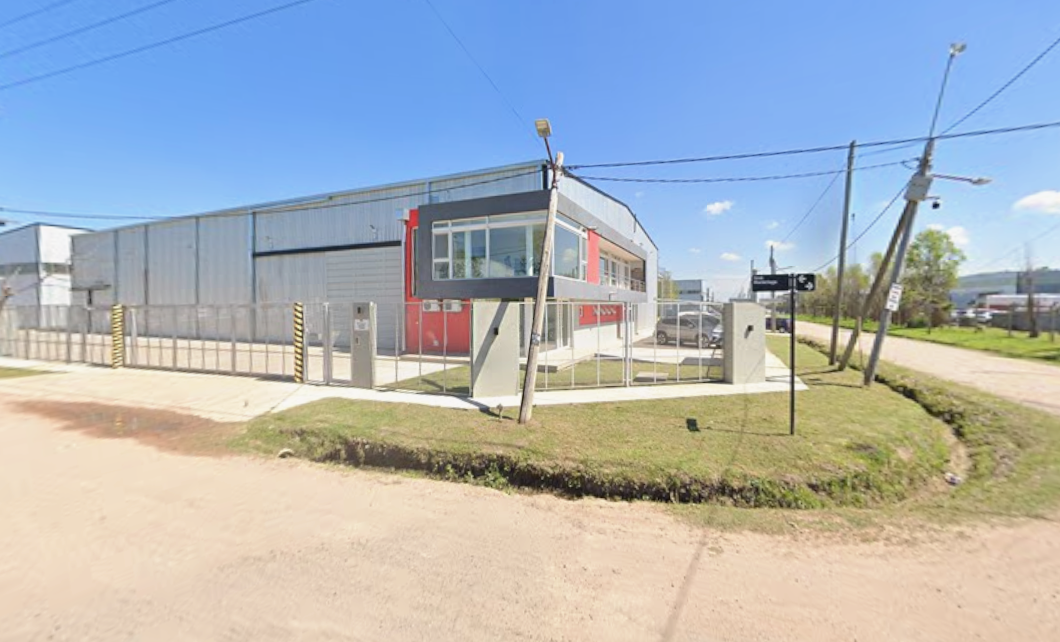
Bakery fire during machinery work in Burzaco, Argentina
- Event
- Infobae reported that a fire broke out around noon on October 6 at Panificadora del Sur in Burzaco's industrial park while workers were welding machinery. Co-owner Ezequiel Faelia died, one person reportedly suffered minor injuries, and more than 20 workers evacuated.
- Risk signal
- Welding work on machinery was the reported activity before the fire. The prevention lesson is hot work near food-plant equipment, packaging, flour or product residue, and occupied space where ignition can outrun manual confirmation.
- Business impact
- One fatality, worker injury and evacuation, emergency response, structural damage, investigation pressure, and likely review of hot-work permits, fire watches, combustible separation, and escalation timing.
Food manufacturing plant fire in Namyangju, South Korea
- Event
- SBS News reported that a fire broke out around 6:10 p.m. on October 7 at a food manufacturing plant in Yangji-ri, Onam-eup, Namyangju. One worker in their 60s was burned, and about 40 firefighters brought the blaze under control in roughly 50 minutes.
- Risk signal
- The reported cause was not yet confirmed. The source-backed pattern was an occupied food manufacturing space where heat reached a worker before the event was fully controlled.
- Business impact
- Worker burn injury, emergency response, production interruption, and likely review of line-side ignition sources, alarm coverage, evacuation timing, and after-hours or late-shift response paths.
Hemp processing building fire in Cornelius, Oregon
- Event
- KPTV reported that firefighters responded to a two-alarm commercial fire before 7 a.m. on October 7 at a hemp processing building that formerly housed blueberry processing. The incident included a partial roof collapse, and one firefighter received minor on-scene treatment.
- Risk signal
- The cause was not yet confirmed. The operational signal was heat inside a processing building where stored agricultural material, equipment, roof structure, and limited early access can hide escalation.
- Business impact
- Partial roof collapse, multi-alarm fire response, firefighter medical treatment, interruption to processing or storage operations, and insurance scrutiny around roof spaces, electrical equipment, drying or processing areas, and hotspot overhaul.
Exhaust-piping fire at a cocoa plant in Newark, Delaware
- Event
- 6abc reported that firefighters responded around 9:30 a.m. on October 8 to a fire in exhaust piping at United Cocoa Processors on Pencader Drive. No injuries were reported.
- Risk signal
- Exhaust piping was the reported fire area. In food plants, ducts and exhaust runs can collect heat, residue, dust, oil, or process byproducts in places that are hard to inspect by sight.
- Business impact
- Emergency response inside an operating food plant, interruption to cocoa processing, inspection and cleaning pressure, and likely review of duct access, heat-source controls, residue management, and monitoring coverage above the normal line of sight.
Field Note
The Work Order Is a Heat Map
Food and beverage plants often treat maintenance, exhaust cleaning, combustible-dust housekeeping, roof access, warehouse storage, and line operations as separate safety routines. This week's incidents show why they need one heat view. A repair, duct run, processing room, or storage corner can become the first abnormal signal while people nearby still see a normal workday.
Three Risk Signals
Hot work changes the risk of nearby equipment
OSHA combustible-dust guidance warns against welding, cutting, or grinding where combustible dusts may create an explosive atmosphere. In food plants, that means work permits need to account for flour, sugar, starch, product residue, packaging, and hidden dust around equipment.
Exhaust and dust paths can carry the problem away from the source
OSHA guidance points to ductwork, dust collectors, cleanout access, bonding, grounding, and adequate conveying velocity because deposits and suspended dust can turn a local ignition source into a system problem.
Processing buildings hide heat above and behind normal sightlines
Roof spaces, ducts, conveyors, dryers, motors, bearings, and electrical panels can heat before smoke is visible from the floor. Human senses are a late-stage detection method in these areas.
Technologies That Close The Gap
- Thermal monitoring over bakery lines, cocoa processing, hemp or agricultural processing rooms, breweries, warehouses, motors, bearings, exhaust runs, and electrical panels where abnormal heat can build before smoke is obvious.
- Duct and enclosed-path heat monitoring for exhaust piping, dust extraction, roof voids, and overhead runs that can hide hot residue, embers, or blocked material from floor-level rounds.
- Smart alarm filtering that separates normal ovens, steam, forklifts, washdown, sun, refrigeration, and maintenance activity from persistent or fast-rising hotspots.
- Escalation workflows for early shifts, contractor work, roof access, unattended warehouses, and processing rooms where the right responder may not be beside the first abnormal signal.
- PLC or equipment-response handoff for zones where abnormal heat should pause a conveyor, stop exhaust equipment, isolate a process step, or route an operator before evacuation pressure builds.
What To Do Next
Treat every work order as a heat-visibility question.
AVIAN tracks these incidents because the same failure pattern appears across high-risk facilities: **heat usually becomes visible before the emergency becomes obvious.**
AVIAN T100 thermal monitoring watches critical assets, material zones, and high-risk surfaces continuously. It detects abnormal heat, filters routine industrial activity, alerts the right team, and can connect to PLC workflows when a critical threshold needs action.
Prevention Moves
- 1Walk food and beverage sites by work-order heat exposure: welding, cutting, grinding, exhaust cleaning, duct access, roof work, electrical repairs, motor replacement, warehouse rearrangement, and contractor staging.
- 2Identify which areas still depend on smell, smoke, a nearby operator, a security round, or a contractor call instead of continuous abnormal-heat visibility.
- 3Tie high-consequence zones to a response path so heat can trigger inspection, work stop, equipment isolation, cleaning, or fire-watch escalation before the source is hidden by smoke.
Questions For Your Site
- Which maintenance jobs bring heat near flour, sugar, starch, packaging, pallets, oils, dust collection, or product residue?
- Where could exhaust piping, ducts, roof voids, conveyors, motors, bearings, or electrical panels heat above normal line of sight?
- Which early-shift, contractor, warehouse, or processing areas depend on one person noticing the first abnormal signal?
- Which alarms do teams ignore because normal process, refrigeration, steam, or maintenance heat has trained them to wait?
What's your take?
Which food-plant heat risk is easiest to miss at your facility: hot work, exhaust piping, product dust, roof spaces, electrical panels, conveyors, warehouses, or contractor staging?
This Fire Watch edition is based on reviewed public news and registry entries in AVIAN's incident database. It is not a complete record of every industrial fire.