Ports, Terminals & Bulk Material Handling
Catch heat in remote conveyors and transfer towers before one failure stops the terminal
Avian monitors conveyor galleries, transfer towers, drive stations, and outdoor equipment 24/7 so your team sees abnormal heat before it becomes a belt fire or a stopped material path.
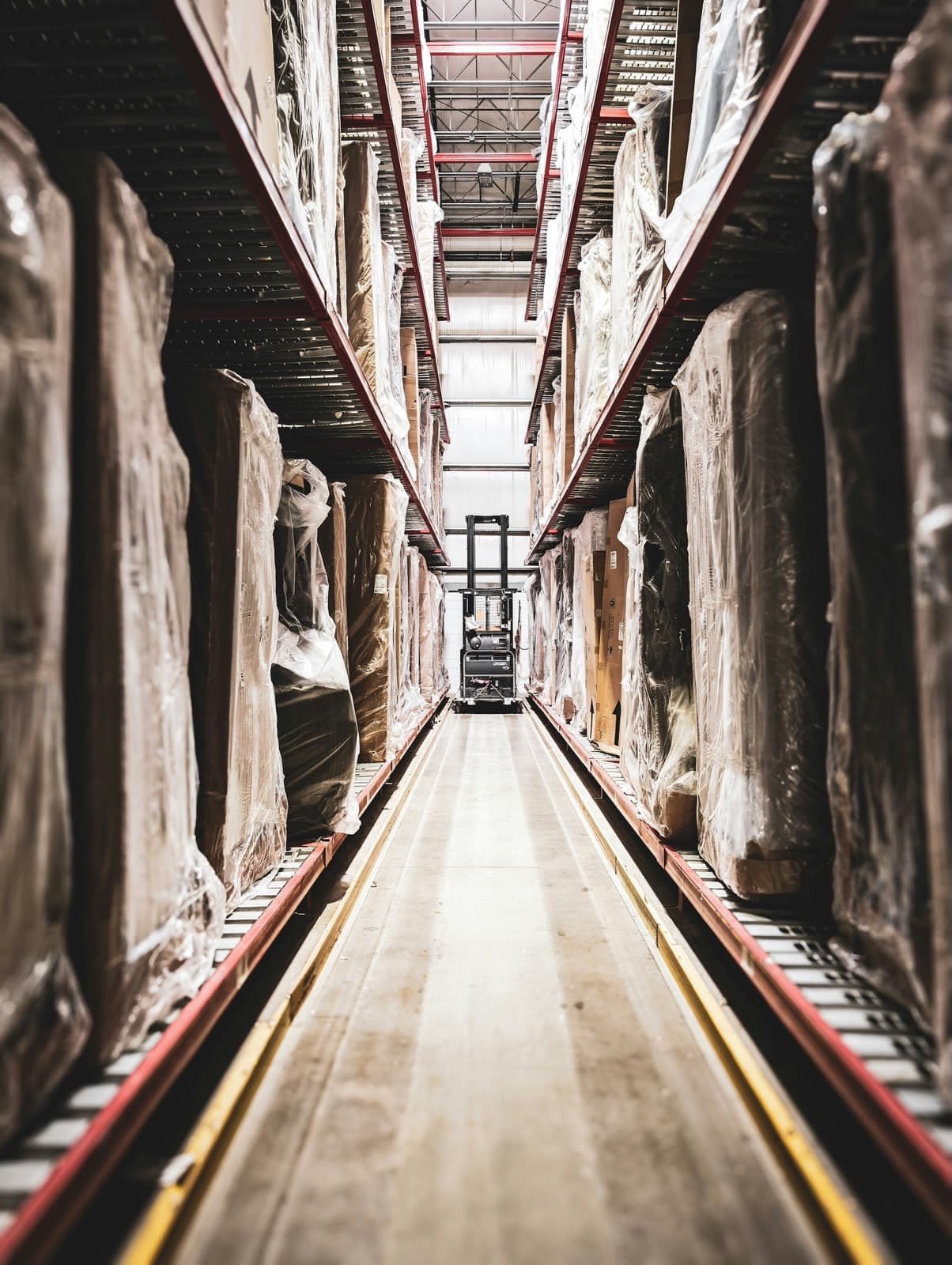
A problem in a remote gallery can stop the whole terminal
Large terminals depend on long conveyor runs that nobody can inspect continuously. When heat builds in a gallery or transfer tower, the lag between failure and response makes the damage worse.
~$8M
average insurance claim for a conveyor belt fire
Where remote equipment turns a small failure into a terminal-wide problem
Bulk handling failures often start far from operators and control rooms. The earlier you see heat in a gallery, tower, or drive station, the better your chance of fixing it before material flow stops.
Conveyor gallery fire risk
Enclosed or partially enclosed conveyor runs trap heat. A friction event that would be caught quickly on the floor can build into a gallery fire before anyone reaches the structure.
Drive and bearing overheating
Motors, gearboxes, and bearings in remote locations can overheat for hours before a manual check finds them. By then, the damage is done.
Transfer towers and choke points
Transfer points concentrate friction, misalignment, and material buildup in compact structures. Heat at a choke point can affect the entire material path downstream.
Outdoor structures and exposed equipment
Wind, weather, darkness, and distance all work against manual inspection. Thermal monitoring keeps watching when nobody is nearby.
Where remote equipment turns a small failure into a terminal-wide problem
Bulk handling failures often start far from operators and control rooms. The earlier you see heat in a gallery, tower, or drive station, the better your chance of fixing it before material flow stops.
Conveyor gallery fire risk
Enclosed or partially enclosed conveyor runs trap heat. A friction event that would be caught quickly on the floor can build into a gallery fire before anyone reaches the structure.
Drive and bearing overheating
Motors, gearboxes, and bearings in remote locations can overheat for hours before a manual check finds them. By then, the damage is done.
Transfer towers and choke points
Transfer points concentrate friction, misalignment, and material buildup in compact structures. Heat at a choke point can affect the entire material path downstream.
Outdoor structures and exposed equipment
Wind, weather, darkness, and distance all work against manual inspection. Thermal monitoring keeps watching when nobody is nearby.
From the field
Recent case studies
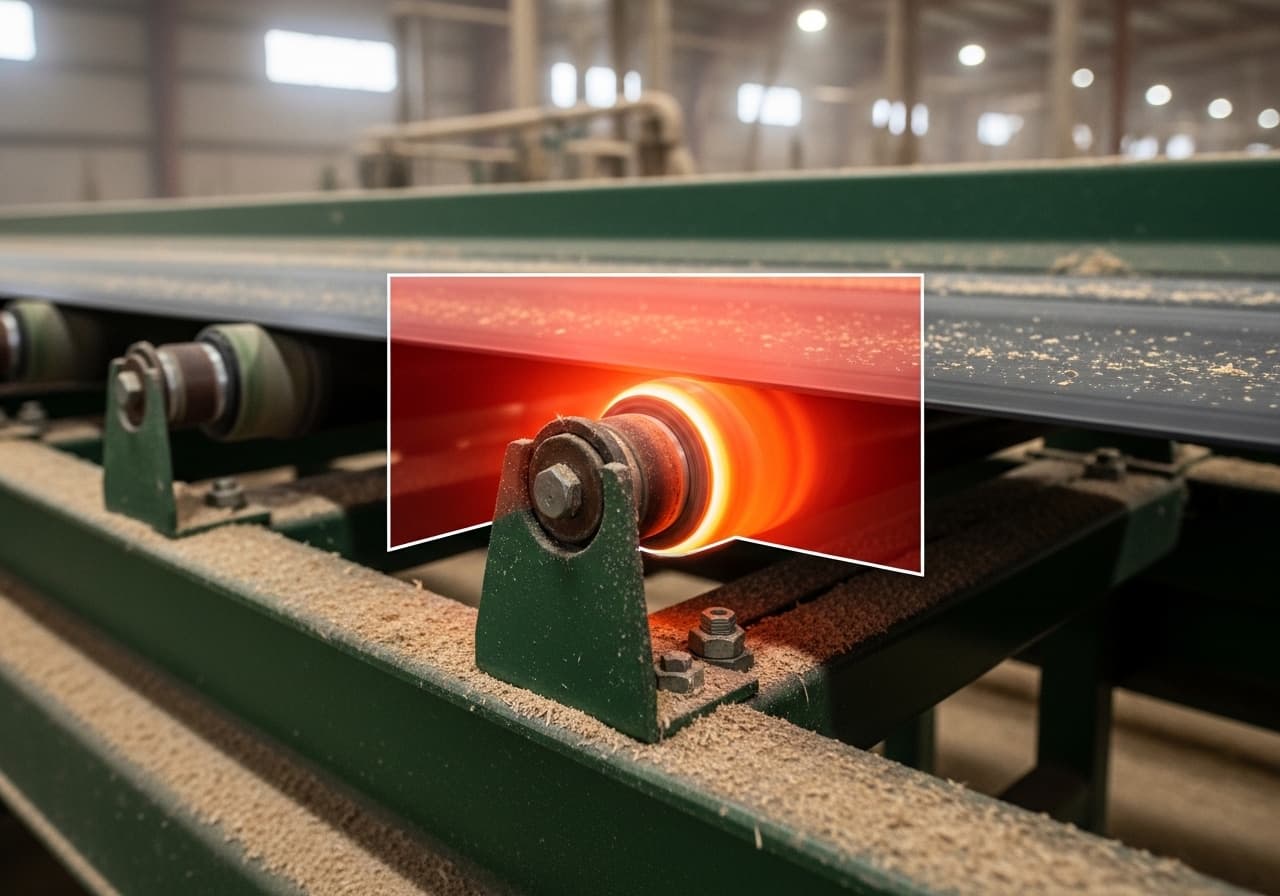
Misaligned Belts Cost Thousands. Infrared Monitoring Catches Rubbing Early
A belt that walks offcenter does not fail all at once. It rubs. Idlers run hot. The edge wears. Then you are buying new belting, paying overtime, and explaining lost output to the people upstairs.
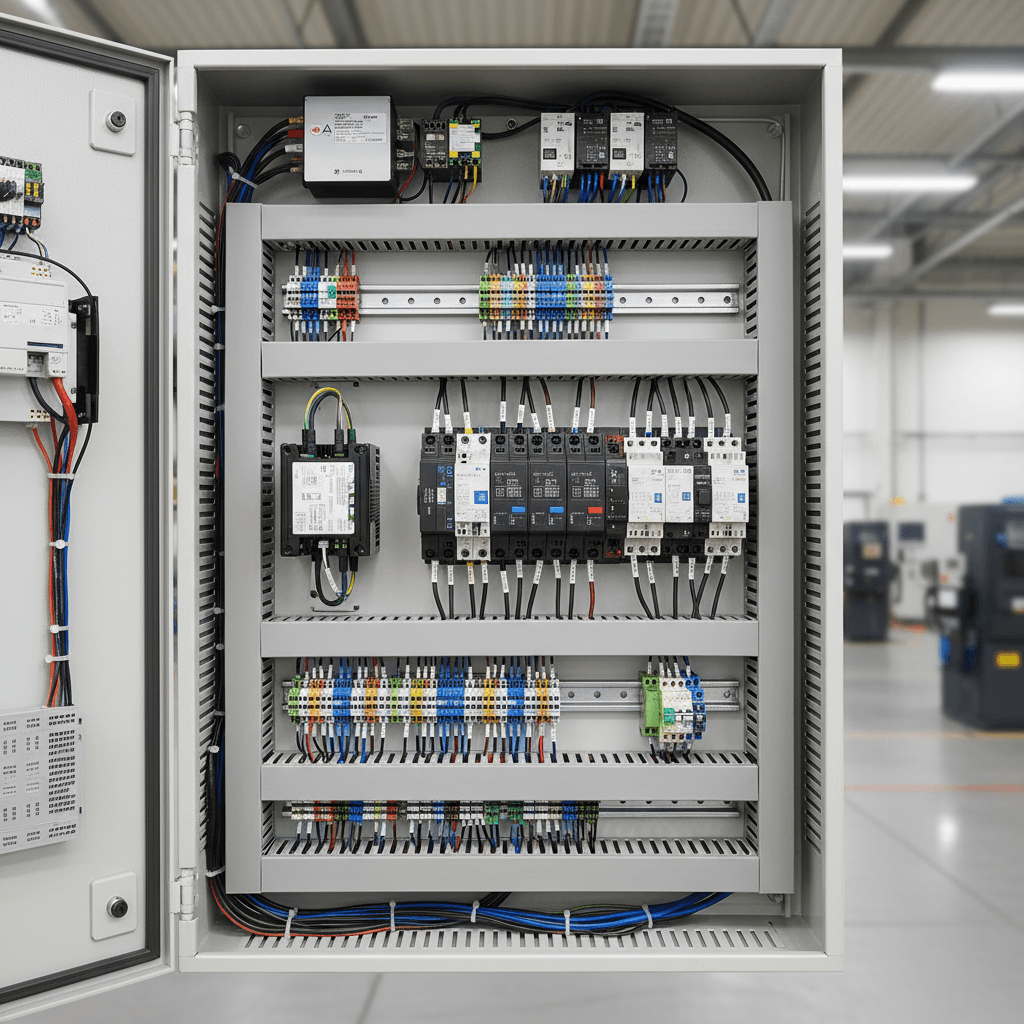
How PLC Auto Stops Work with AVIAN Thermal Cameras
Most autostop conversations start in the wrong place.
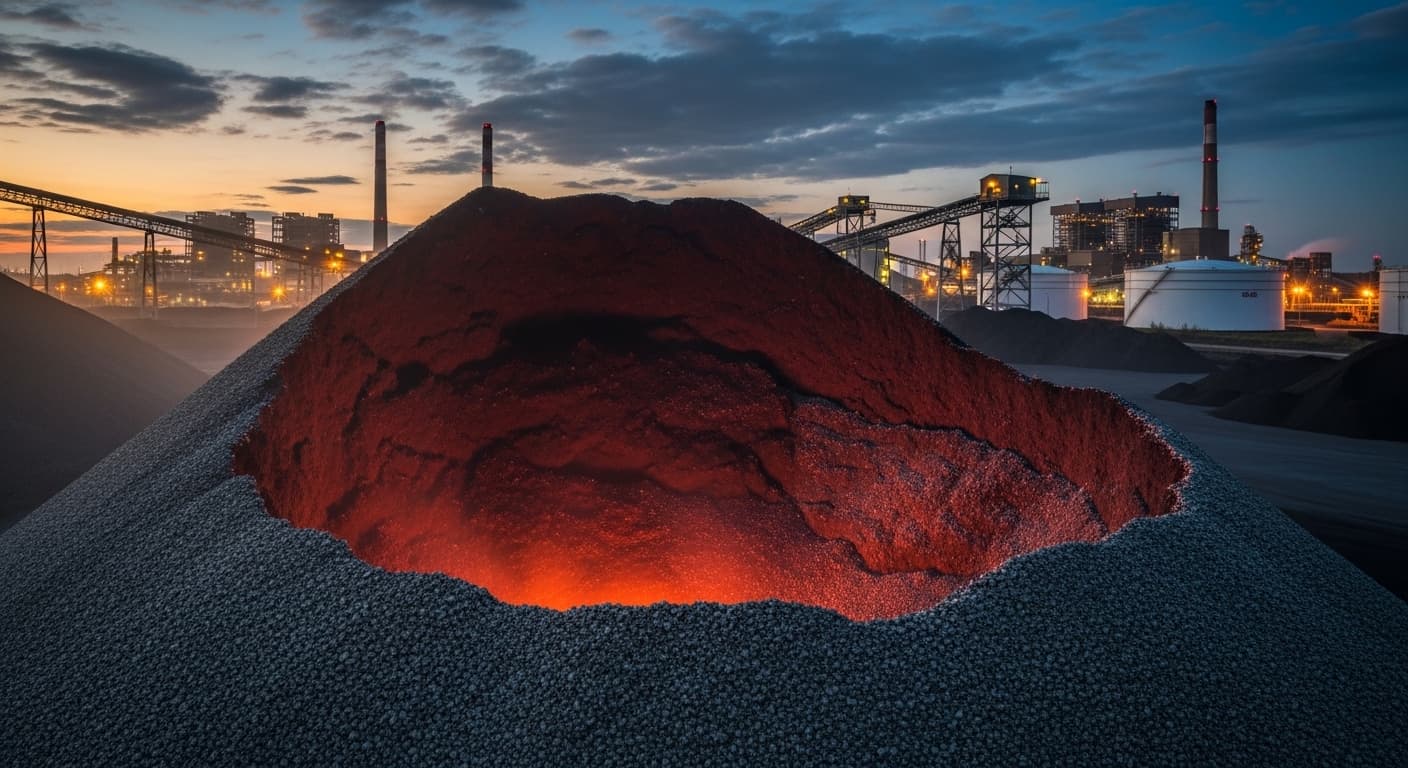
The Pile Is Already Burning
By the time you see smoke, you're already behind.
Our Bulk Handling Package
One system covering galleries, towers, drive stations, and outdoor equipment.
Built for operators who need earlier warning across long conveyor routes, remote structures, and exposed equipment.
Coverage
Watch the remote conveyor structures that are hardest to inspect
Thermal cameras are positioned across conveyor galleries, transfer towers, drive stations, and outdoor equipment so the highest-risk sections stay visible without relying on patrols.
Detection
Catch heat in remote equipment before it stops material flow
Avian tracks thermal behavior so a hot bearing, overloaded drive, or friction event is flagged early enough for your team to isolate it before it becomes a shutdown.
Response
Get alerts before someone has to travel out and confirm the problem
Alerts can be routed to operators and maintenance teams quickly, with a thermal record of the event before anyone reaches the structure in person.