Back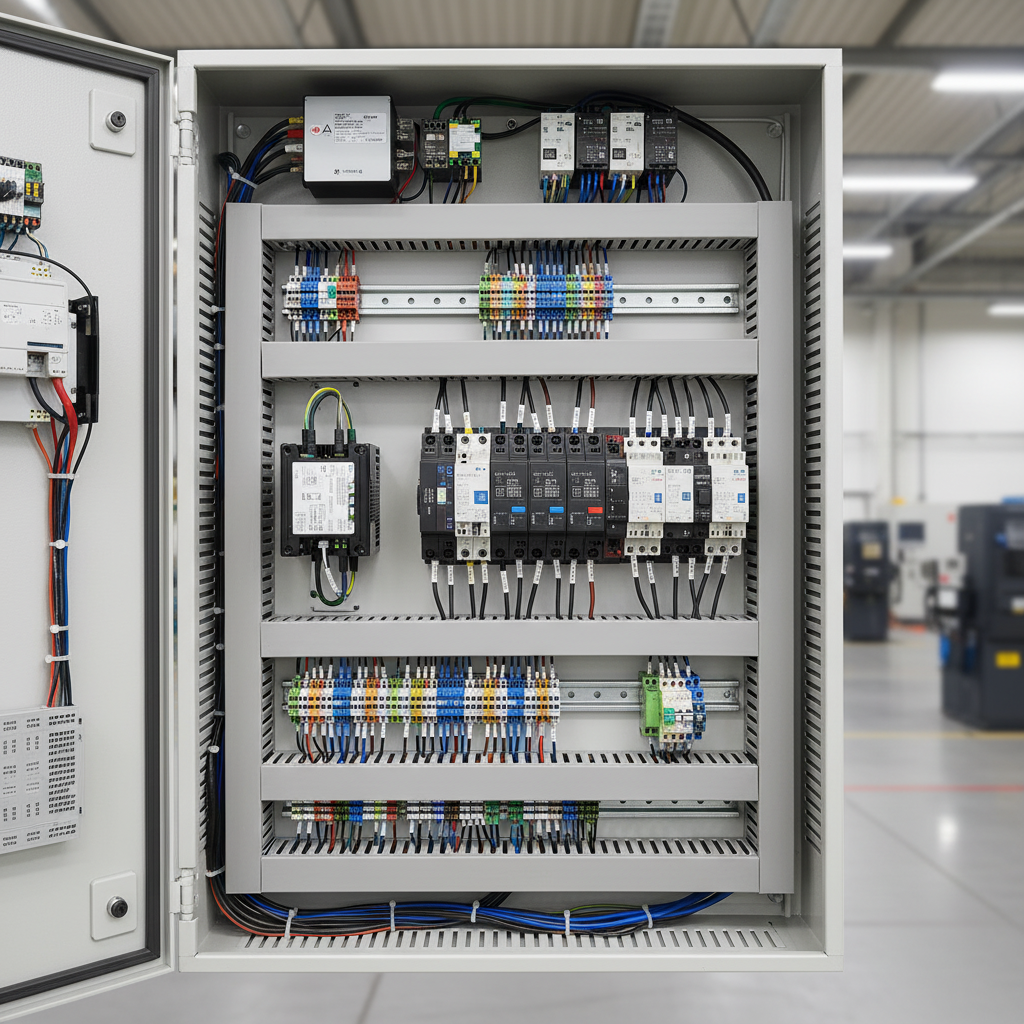
2026-03-04/Drew Hanover
How PLC Auto Stops Work with AVIAN Thermal Cameras
Most auto-stop conversations start in the wrong place.
People ask which bit AVIAN sends to the PLC. That matters. But the better question is this: what should happen after the bit changes state?
If a bearing overheats on a conveyor, the camera can catch it early. The PLC can stop the machine in seconds. The real work is designing the signal path, stop logic, and restart rules so the response is fast without becoming noisy or dangerous.
Here is what a solid PLC auto-stop setup usually looks like.
What the camera should do
AVIAN watches the thermal behavior of the equipment continuously. We are not just looking for a fixed high number. We are looking for temperature rise, persistence, location, and behavior that is abnormal for that zone.
That matters because a useful shutdown system needs two different responses:
- Warning condition: something is trending in the wrong direction and operators need time to respond.
- Critical condition: the process has crossed into a state where the machine should stop automatically.
The camera system decides when those conditions are true. Then it hands a clean signal to the PLC.
What the PLC should do
The PLC should own the site response. That usually includes:
- stopping feeds, drives, or hydraulic motion
- triggering stack lights, sirens, and HMIs
- enforcing interlocks that block restart
- handing restart authority back to operators under normal SOPs
This is why Modbus TCP, digital outputs, and other standard interfaces matter. The camera should not replace the controls system. It should give the controls system the earliest reliable warning possible.
A practical example
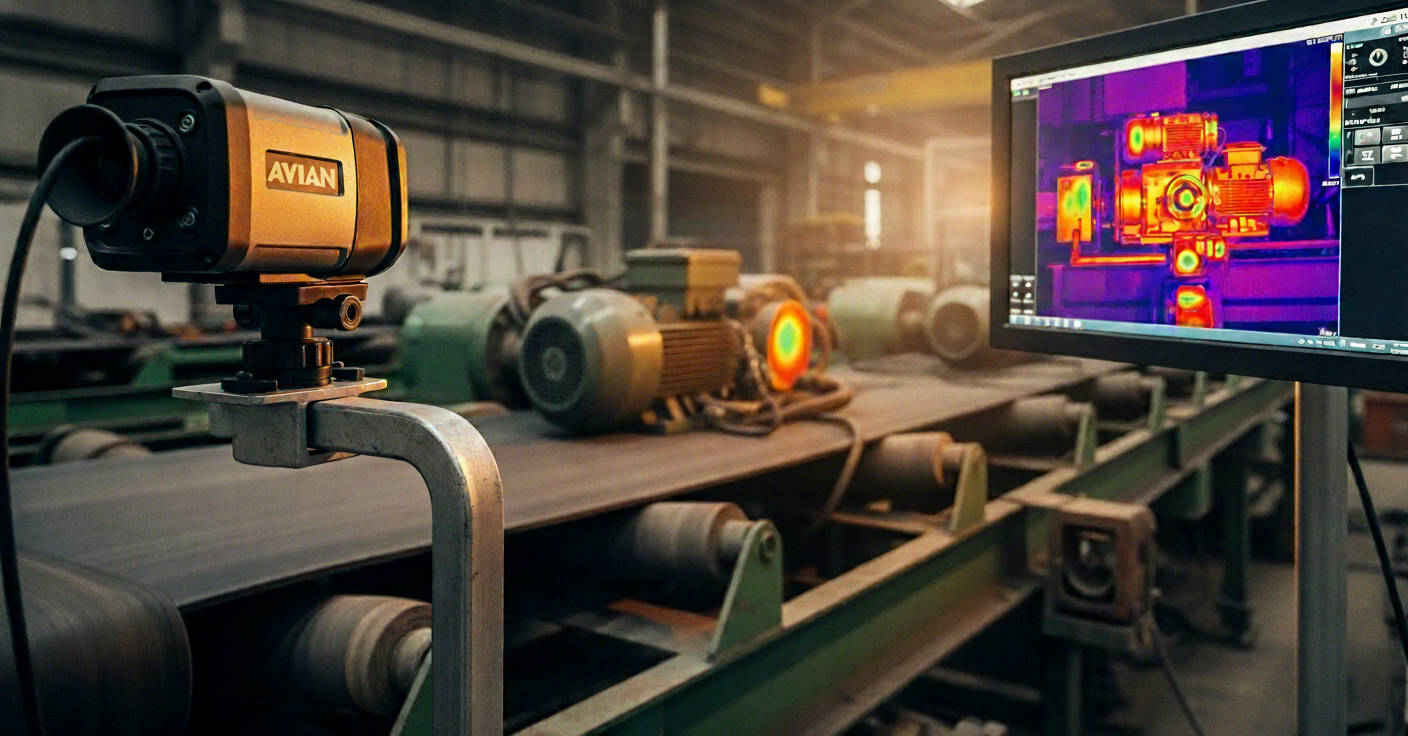
Take an overheating head pulley bearing on a conveyor.
At first, the temperature drifts above its normal range. AVIAN flags a warning. Operators get notified and can inspect the area while production is still under control.
If the temperature keeps climbing, the critical condition goes true. The PLC immediately stops the conveyor, drops the upstream feed, activates the site alarm, and locks the restart sequence until the team investigates.
That sequence is simple to describe, but it only works well when each step has been thought through ahead of time.
Common mistakes
We see the same problems over and over:
- Only one alarm level. If everything is critical, operators get no early chance to respond.
- Static thresholds with no context. A number that is safe under full load may be unsafe during startup or at light load.
- No restart discipline. Auto-stop is useful. Auto-restart after a high-temperature event usually is not.
- No signal validation. If the controls team does not test the full alarm chain, the shutdown logic can fail when it matters most.
What good commissioning looks like
A proper rollout includes more than turning on a bit:
- Define the equipment and failure modes that should trigger warning vs. stop.
- Map the AVIAN outputs into the PLC with clear tag names and alarm states.
- Test the full sequence from thermal event to machine stop.
- Confirm operator messaging, acknowledgment flow, and restart procedure.
- Review the first live events and tighten the logic if needed.
That is where most of the reliability comes from.
The goal
The goal is not to stop machines more often. The goal is to stop them earlier, for the right reasons, before heat turns into damage or fire.
If your team is planning PLC integration, we can help define alarm points, map signals, and validate the shutdown logic so it works on day one. If you want a related example of early detection preventing a worse outcome, read Beyond Human Vision: Detecting Hidden Dangers with Thermal Cameras.