The Industrial Fire Watch / Apr 14-May 13, 2026
The Heat Signal Sawmills Need Before the Chipper, Kiln, or Wood Stack Catches
A sawmill-focused field report on equipment heat, wood-chip systems, drying chambers, and stored timber exposure.
What To Know
AVIAN tracked 14 Sawmills & Planer Mills fire and explosion incidents from April 14 to May 13, 2026. The focused source set did not include reported injuries or fatalities.
Sawmills & Planer Mills accounted for 14 incidents. The strongest pattern was business risk around heat in wood-chip systems, chippers, drying chambers, boiler areas, timber stock, and stored wood.
For sawmill operators, maintenance leaders, EHS teams, and insurers, the practical question is where heat can build before anyone sees smoke: inside a chipper, near a conveyor, in a drying chamber, under a motor, or deep in stored wood.
14
Incidents
10
Countries
Key Incidents
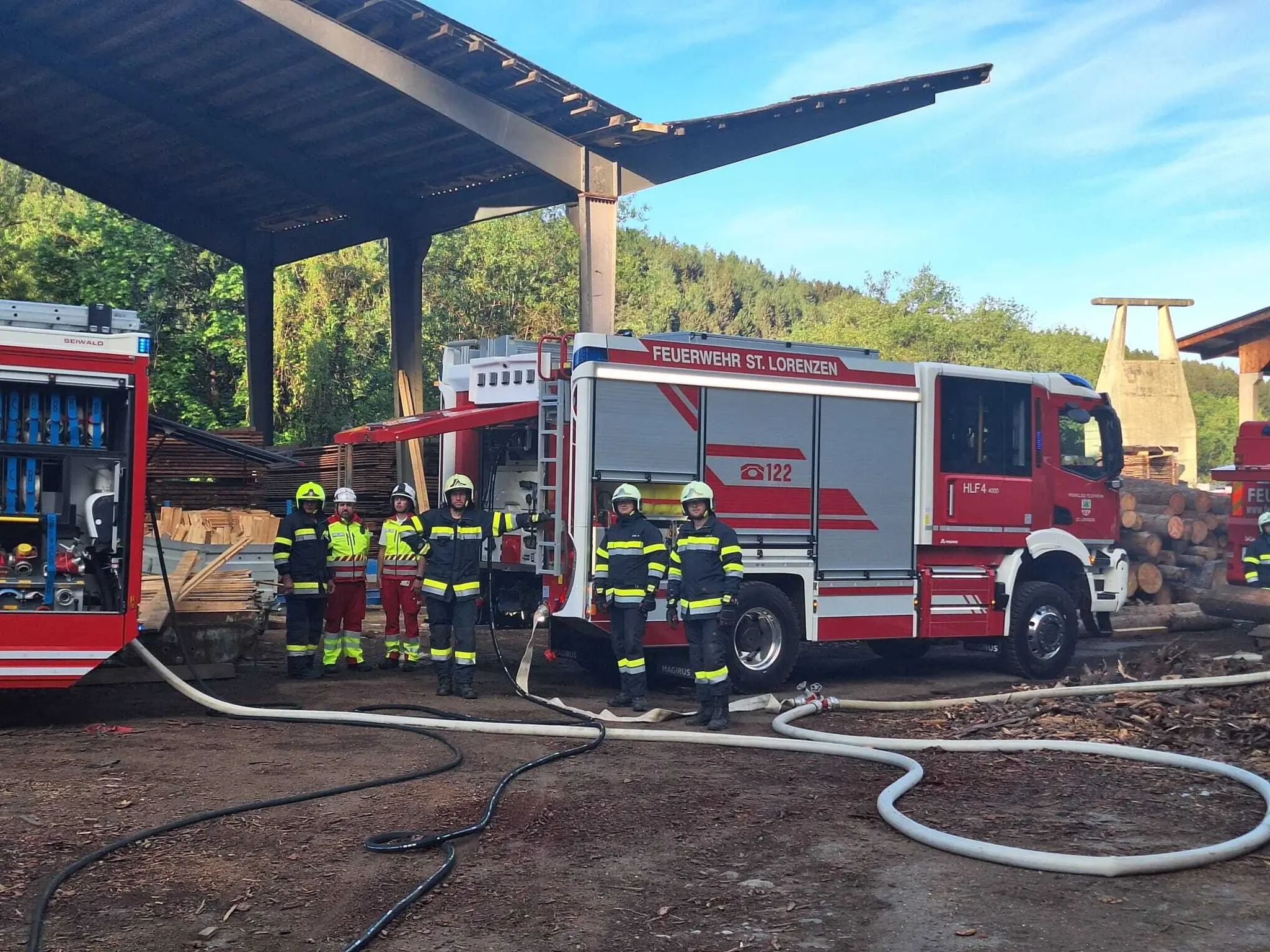
Wood-chip system fire in St. Margarethen, Austria
- Event
- MeinBezirk reported that 42 firefighters from four departments responded around 6:30 a.m. to a sawmill fire in St. Margarethen bei Knittelfeld. The fire started near a wood-chip system and had already spread to parts of an adjacent drying chamber and a wood stack.
- Risk signal
- Wood-chip handling and drying areas sit close to high fuel load, airflow, motors, conveyors, and hot surfaces. The reported cause was not confirmed, but the location shows why small heat signals around chip systems and drying chambers matter.
- Business impact
- Firefighters prevented a larger fire from spreading through the rest of the operation, but the event required breathing apparatus, high-pressure lines, and a dedicated water supply from a nearby stream.
Sawmill destroyed in General Carneiro, Brazil
- Event
- Vvale reported that a large fire destroyed a sawmill in General Carneiro during the early morning. Emergency teams worked to prevent spread to neighboring structures.
- Risk signal
- The article cited sawdust and stored wood as major combustible material at the site. Once fire reaches machinery, raw material, and storage together, the event becomes difficult to contain.
- Business impact
- The report described total destruction of part of the sawmill structure, loss of machinery and raw material, and high economic impact for the business.
Wood chipper fire at Fuqua Sawmill in Ocala, Florida
- Event
- Ocala-News reported that crews responded to Fuqua Sawmill after a large wood chipper caught fire and produced thick smoke visible near I-75.
- Risk signal
- Firefighters faced fuel supply, dry combustible wood chips, and smoldering spots deep inside the chipper discharge chute. The article specifically noted use of thermal imaging and specialized tools to reach hidden hot spots.
- Business impact
- Multi-agency response, hours on scene, traffic control, water-tanker access, and prolonged overhaul around specialized production equipment.
Field fire spreads into a sawmill in Handiaya, India
- Event
- ETV Bharat reported that a nearby wheat-stubble fire spread into Gurmail Singh's sawmill in Handiaya, burning valuable timber stock while eight fire brigade vehicles responded.
- Risk signal
- Outdoor wood storage can turn a nearby ignition source into a sawmill loss when wind, dry stock, and limited early warning line up.
- Business impact
- The owner reported losses in lakhs of rupees, with valuable timber stock consumed and fire still smoldering inside wood during the response.
Field Note
Sawmill Heat Moves Through Equipment, Dust, and Stock
Sawmill fire risk is rarely isolated to one machine. Heat can start in a bearing, motor, chipper, conveyor, boiler area, drying chamber, dust collection path, or outdoor stockpile, then move into sawdust, chips, bark, lumber, or stored timber.
Three Risk Signals
Dust and chips make small heat sources bigger
Aon notes that combustible wood dust risk depends on fuel, ignition, oxygen, dispersion, and confinement. Sawmills need to identify where dust can accumulate, where it can be dispersed, and which ignition sources sit nearby.
Critical equipment creates downtime exposure
Insurer guidance for wood products facilities emphasizes preventative maintenance, service logs, electrical inspections, and equipment reliability because specialized sawmill machinery is expensive and difficult to replace quickly.
Stored material changes fire severity
FM guidance for wood processing and woodworking facilities treats dry kilns, dryers, dust handling, wood waste, and raw material storage as distinct hazards. The same site can have several heat-risk zones that behave differently.
Technologies That Close The Gap
- Thermal monitoring for chipper areas, conveyors, bearings, motors, drying chambers, boiler rooms, electrical cabinets, and wood-chip handling systems.
- Smart filtering that separates routine process heat from abnormal hot spots near sawdust, chips, bark, lumber, and stored timber.
- Escalation workflows for early morning, night, weekend, and outdoor-stock exposures where human detection is weak.
- PLC or equipment-shutdown handoff for conveyors, chippers, and high-consequence machinery when heat crosses a critical threshold.
What To Do Next
Find heat before it becomes smoke.
Heat becomes measurable before smoke becomes obvious.
AVIAN T100 watches critical assets and material zones continuously, filters routine industrial activity, and alerts the right team when abnormal heat needs action.
Prevention Moves
- 1Map the sawmill zones where heat and fuel sit together: chippers, conveyors, bearings, motors, drying chambers, boiler areas, dust collection, wood-chip systems, and stock storage.
- 2Treat maintenance documentation as risk control. Equipment inspections, infrared checks, dust housekeeping, and corrective-action logs matter to uptime and insurability.
- 3Connect early heat detection to action. A useful alarm should tell the right person which zone is heating, whether equipment should stop, and what response path is expected.
Questions For Your Site
- Which chipper, conveyor, bearing, or motor areas are not watched continuously?
- Where can sawdust, chips, bark, or lumber accumulate near heat sources?
- Which drying chamber, boiler, or electrical zones would create the longest downtime if damaged?
- Which outdoor stock or wood-chip areas could heat after hours or during windy conditions?
What's your take?
Which sawmill heat risk is easiest to miss: chippers, conveyors, bearings, drying chambers, dust collection, boiler areas, or outdoor wood stock?
This Fire Watch edition is based on reviewed public news and registry entries in AVIAN's incident database. It is not a complete record of every industrial fire.