The Industrial Fire Watch / Apr 1-30, 2026
When a Recycling Fire Becomes a Multi-Day Response
A 30-day field report focused on recycling and waste fires, lithium-ion battery exposure, and mixed-material heat risk.
What To Know
AVIAN tracked 63 Recycling & Waste fire and explosion incidents from April 1 to April 30, 2026. The focused source set included 1 reported injury and no reported fatalities.
The clearest pattern was Recycling & Waste, with 63 incidents. The April set included recycling warehouses, scrapyards, landfills, e-scrap facilities, battery recycling sites, and mixed-material yards across Brazil, the United States, Germany, the United Kingdom, Canada, France, and Australia.
For facility managers, EHS leaders, maintenance teams, and insurers, the practical question is not whether recycling materials can burn. It is whether the site can see abnormal heat early enough to act before a pile, pallet, conveyor zone, or storage area becomes a days-long emergency response.
63
Incidents
11
Countries
1
Injuries
Key Incidents
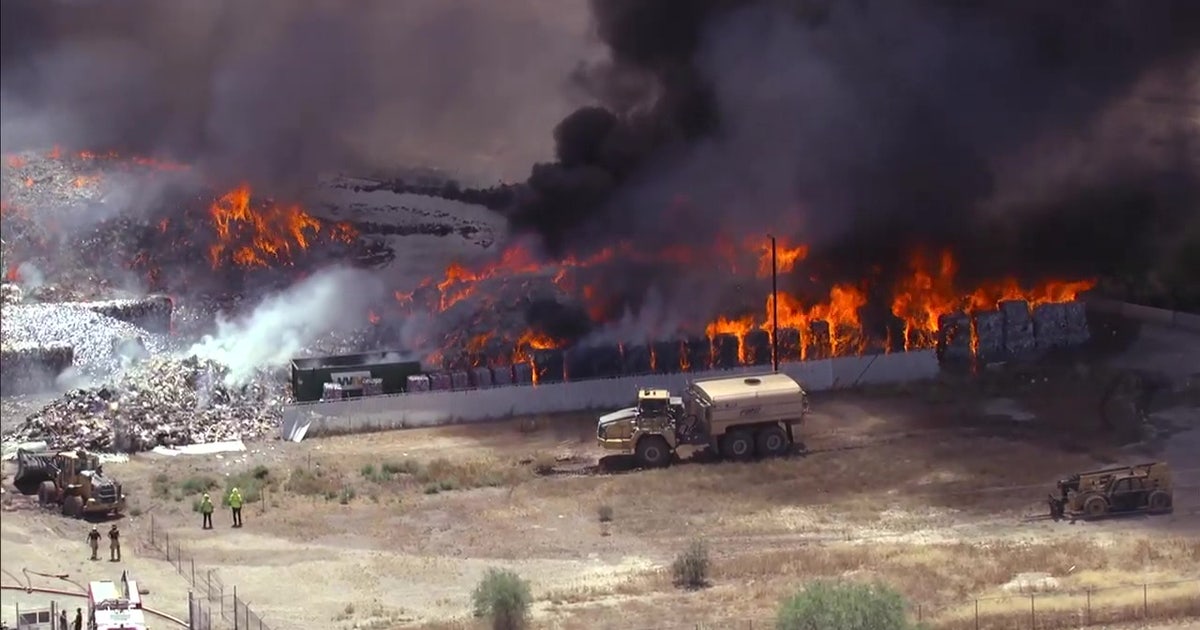
Recycling facility fire in Surprise, Arizona
- Event
- A large fire burned at a recycling facility near Loop 303 in Surprise, Arizona. FOX 10 Phoenix reported that multiple fire departments responded, the recycling area was expected to be closed for an extended and undetermined time, and officials said containment and mop-up could take days.
- Risk signal
- Mixed recyclable material, building collapse, wind, limited water access, and persistent hot spots. The reported cause was still under investigation, so the safer lesson is the operational difficulty of controlling a material-stream fire once it grows.
- Business impact
- Extended closure of the recycling area, multi-agency response, community smoke concerns, and a long hot-spot management period.
Scrapyard fire in Montreal, Quebec
- Event
- Global News reported that an outdoor vehicle-recycling plant fire in Montreal's east end led to an air quality warning and preventive lockdowns of nearby health facilities. The city's fire department dispatched 24 fire trucks and 55 firefighters.
- Risk signal
- Quebec's Environment Department said it thought the fire was caused by a lithium battery and spread to piles of scrap metal. That is exactly the kind of small ignition source that can become a site-wide material-pile event.
- Business impact
- Public health warnings, smoke impact across the city and Montérégie area, emergency response, and heightened regulatory scrutiny.
E-scrap recycling warehouse fire in Houston, Texas
- Event
- ABC13 reported that about 60 Houston firefighters responded after flames started around 1:30 a.m. at a recycling facility on Springer Street. The business was closed at the time, and the building was full of recycled computers.
- Risk signal
- E-scrap storage and after-hours detection risk. Recycled computers can combine plastics, circuit boards, batteries, dust, packaging, and dense storage into a hard-to-read heat profile.
- Business impact
- Overnight emergency response, heavy fire conditions, prolonged suppression, and interruption to the recycling operation.
Battery recycling facility fire in Perth, Australia
- Event
- ABC News reported that a serious fire at a lithium-ion battery recycling facility in Maddington triggered a HAZMAT warning. Fire officials said about 80 tonnes of lithium-ion solid-state batteries were inside the facility.
- Risk signal
- Battery pallet heat and thermal runaway exposure. The article reported that the business owner thought the fire initiated in the middle of a pallet of batteries, and crews shifted to an external attack when an internal attack could not be achieved safely.
- Business impact
- HAZMAT warning, rail and road disruption, one man taken to hospital for suspected smoke inhalation, and reported losses of more than $7 million in goods.
Field Note
Recycling & Waste: Small Heat Sources, Large Material Loads
Recycling facilities do not handle one stable fuel. They handle changing streams of paper, plastic, metal, e-scrap, batteries, residues, packaging, dust, and outdoor piles. That makes the early signal difficult: a normal load, a hot load, a damaged battery, or a warm machine surface may look routine until the heat has already moved into material.
Three Risk Signals
Batteries hide inside normal material
EPA's lithium-ion battery fire analysis found battery-related fires across waste and recycling systems, including material recovery facilities, landfills, scrap yards, electronics recyclers, and trucks. The risk often arrives mixed into ordinary waste or recyclables.
Dense piles delay human detection
Piles, pallets, bales, bins, and e-scrap storage can hold heat internally. By the time smoke is visible from the outside, crews may already be dealing with collapse risk, hazardous smoke, water-access limits, and hours or days of hot-spot work.
The alarm has to separate routine heat from abnormal heat
Forklifts, loaders, sunlight, engines, welding, and normal process equipment all create heat. Monitoring only works if the system filters routine activity while escalating the heat pattern that needs action.
Technologies That Close The Gap
- Thermal monitoring over tipping floors, battery-risk zones, e-scrap storage, conveyors, balers, and outdoor material piles.
- Smart filtering that ignores normal loader, forklift, and vehicle heat without becoming blind to a developing hotspot.
- Escalation workflows for nights, weekends, and unattended storage areas, when an early heat signal is easiest to miss.
- PLC or suppression handoff for zones where abnormal heat needs immediate equipment shutdown, isolation, or targeted response.
What To Do Next
Find heat before it becomes smoke.
Heat becomes measurable before smoke becomes obvious.
AVIAN T100 watches critical assets and material zones continuously, filters routine industrial activity, and alerts the right team when abnormal heat needs action.
Prevention Moves
- 1Treat recycling material as a changing risk profile. Scrap, e-waste, plastics, batteries, paper, pallets, and outdoor piles can all carry heat differently.
- 2Watch the places where heat can hide: tipping floors, conveyors, bales, battery-risk zones, e-scrap areas, motors, bearings, and storage piles.
- 3Connect detection to action. A useful heat alert needs filtering, escalation, and a clear handoff before crews are managing smoke, collapse risk, or a days-long fireground.
Questions For Your Site
- Which material zones are not watched continuously?
- Where could a battery, hot load, or warm bearing heat material after hours?
- Which piles, pallets, conveyors, or e-scrap areas would be hardest to inspect manually?
- Which normal heat sources could make teams wait before responding to an early alarm?
What's your take?
Which recycling heat risk is easiest to miss in your facility: batteries, e-scrap, outdoor piles, bales, conveyors, or after-hours storage?
This Fire Watch edition is based on reviewed public news and registry entries in AVIAN's incident database. It is not a complete record of every industrial fire.