The Industrial Fire Watch / May 16-22, 2026
The Fire Risk Hiding Between Intake and the Pile
A weekly Fire Watch briefing on recycling fires, waste-battery handling, pile hot spots, and conveyor exposure.
What To Know
AVIAN tracked 16 Recycling & Waste fire and explosion incidents from May 16 to May 22, 2026. The focused source set did not include reported injuries or fatalities.
Recycling & Waste accounted for 16 incidents. The repeated pattern was not one material or one country: waste piles, scrap yards, transfer stations, paper processing, e-scrap, and waste-battery handling all appeared in the same week.
For recycling operators, EHS teams, maintenance leaders, and insurers, the practical question is where abnormal heat first becomes visible: at intake, inside a machine, on a conveyor, in a battery-risk area, or deep in a pile that can keep reigniting after the first response.
16
Incidents
11
Countries
Key Incidents
Reclamation facility fire in White County, Arkansas
- Event
- FOX16 reported that a large fire at the Arkansas Reclamation building burned for more than 10 hours after crews responded around 3 a.m. Fire officials said nearly 100,000 gallons of water were used while trash piles continued to burn and reignite because of wind and hot spots.
- Risk signal
- The cause remained under investigation, but security footage indicated the fire may have started in a trash can and burned for hours before crews arrived. That sequence shows why after-hours heat in small containers, piles, or work areas can become a facility-scale response.
- Business impact
- Nine fire departments responded, heavy smoke affected the area near Highway 67, nearby workers and residents raised air-quality concerns, and crews stayed on site into the afternoon for smoldering material.
Waste-battery handling factory fire in Gumi, South Korea
- Event
- Yonhap reported that a fire broke out at a waste-battery handling factory in Gumi. Fire crews brought the main fire under control in about one hour, treated burning waste batteries with dry sand and expanded vermiculite, and the city checked for hazardous-material releases.
- Risk signal
- Waste batteries are not normal mixed material. Once cells are damaged, heated, or involved in fire, response shifts from water-on-combustibles to isolation, specialist media, ventilation, and environmental checks.
- Business impact
- Forty-three personnel and 18 pieces of equipment responded, roof removal was needed for overhaul, full extinguishment was expected to take time, and operations faced hazardous-material scrutiny.
Paper-processing fire at Bongaerts Recycling in Belgium
- Event
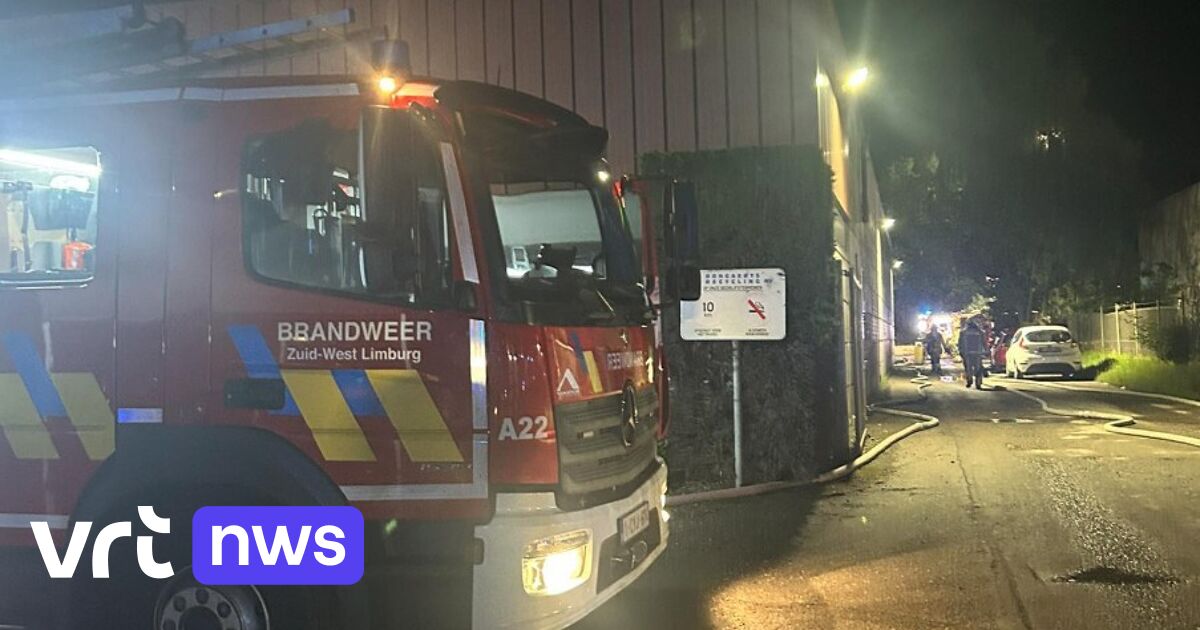
- VRT NWS reported that a heavy fire broke out shortly before 22:00 in a paper storage and processing hall at Bongaerts Recycling. Firefighters removed about 100 tons of paper over roughly eight hours to extinguish the fire.
- Risk signal
- The fire involved a paper-processing area with a large conveyor, a paper bunker, motors, and difficult-to-reach burning material. The fire service also warned that batteries mixed into old paper can ignite when damaged by processing equipment.
- Business impact
- The conveyor, paper bunker, and motors were destroyed, about 45 firefighters responded, the municipality said it would review processes with environmental inspectors, and officials discussed whether additional temperature sensors or storage changes were needed.
Recycling transfer-station fire in Phoenix, Arizona
- Event
- Arizona's Family reported that Phoenix firefighters responded around 2:30 a.m. to a first-alarm fire at a recycling transfer station near 51st Avenue and Lower Buckeye Road. Crews used ladder trucks and worked with site staff to extinguish debris-pile hot spots while heavy smoke remained visible.
- Risk signal
- Transfer stations concentrate mixed material, vehicle movement, pile depth, and after-hours exposure. A pile can look controlled from the outside while heat remains inside the debris.
- Business impact
- Fire crews coordinated with facility staff, smoke was visible in the area, and the response focused on persistent hot spots rather than a single open flame.
Field Note
Recycling Heat Often Starts Before the Pile Looks Dangerous
The weekly pattern points to a familiar recycling problem: small heat sources can be hidden by normal material flow. Batteries, paper, scrap, plastic, trash, conveyors, loaders, and piles all move through the same operating envelope, but they do not create the same fire behavior.
Three Risk Signals
The first damage can happen at intake
The Association of Plastic Recyclers notes that lithium-ion batteries can be crushed or physically damaged when loaders, metering bins, conveyors, or sorting equipment move material at the start of the recycling process.
A pile can keep the event alive
EPA warns that batteries in trash or municipal recycling can be damaged during transport or processing, creating a fire hazard. Once heat reaches paper, cardboard, trash, or mixed recyclables, the fuel load can keep burning and reigniting.
Response needs a planned handoff
SWANA guidance for material recovery facilities emphasizes written battery-fire management practices, worker training, emergency action plans, and coordination with outside responders. The plan has to exist before the 2 a.m. alarm.
Technologies That Close The Gap
- Thermal monitoring over tipping floors, metering bins, conveyors, balers, battery-risk zones, and outdoor material piles.
- Smart alarm filtering that separates normal loader, forklift, sun, engine, and process heat from abnormal hot spots.
- Escalation workflows for nights, weekends, and unattended storage areas where a small hot spot can burn for hours before discovery.
- PLC or equipment-shutdown handoff for conveyors, shredders, and material-handling equipment when heat crosses a critical threshold.
What To Do Next
See heat before it moves from intake to the pile.
Heat becomes measurable before smoke becomes obvious.
AVIAN T100 watches critical assets and material zones continuously, filters routine industrial activity, and alerts the right team when abnormal heat needs action.
Prevention Moves
- 1Map the recycling zones where material is crushed, dropped, dragged, conveyed, baled, or stored: intake, metering bins, conveyors, bunkers, sort lines, battery-risk areas, and outdoor piles.
- 2Treat persistent hot spots as a workflow problem, not only a fire-service problem. The useful question is who sees abnormal heat first, who gets the alarm, and what equipment should stop.
- 3Separate battery-handling procedures from general housekeeping. Damaged or suspect batteries need trained handling, safe storage, and a response plan that does not rely on improvisation.
Questions For Your Site
- Which intake, tipping-floor, conveyor, or baler zones are not watched continuously?
- Where can a damaged battery, hot motor, or smoldering item enter the material stream unnoticed?
- Which pile, bunker, or container could hold heat after crews think the visible flame is out?
- Which alarms are ignored today because normal loaders, sun, engines, or process heat create too much noise?
What's your take?
Which recycling heat risk is easiest to miss at your site: intake, conveyors, batteries, balers, outdoor piles, or after-hours storage?
This Fire Watch edition is based on reviewed public news and registry entries in AVIAN's incident database. It is not a complete record of every industrial fire.