Molten Lithium Fire Detection on Recycling Belts
Operator was alerted immediately and contained the belt fire risk
View the full alarm caseFire Rover alternative for recycling
AVIAN monitors the risk zones your team already worries about and sends clear alarm context to the people on site, on the devices they already use. From first call to installed and protecting your facility in 30 days.
Alarm routing
Reach the crew already on site
Notify operators, supervisors, and on-call teams.
Open alarm context from the floor or control room.
Expose alarm data for deluge, shutdown, or control logic.
Operators see the alarm, live context, history, and escalation details together. The useful difference is not just one device. It is a system built to get the right evidence to the right person quickly.
When AVIAN fits
If you do not need remote firefighters operating suppression, AVIAN gives your team alarm evidence, phone and tablet alerts, and PLC-ready response paths they can own.
Use AVIAN when your crew needs an early alarm, clear evidence, and a response path they control.
AVIAN sends the alarm package to operators, supervisors, and control workflows so the people closest to the risk can move.
Cover belts, bunkers, piles, tipping floors, electrical rooms, and charging areas first. Expand after the highest-risk areas are monitored.
What the site needs to know
That is usually what matters on the floor: where the camera goes, who gets notified, what they see, and whether the alarm can tie into the response path the site already trusts.
Operators can receive AVIAN alarms on the devices they already use, including iPhone, iPad, browser access, and control-room workflows.
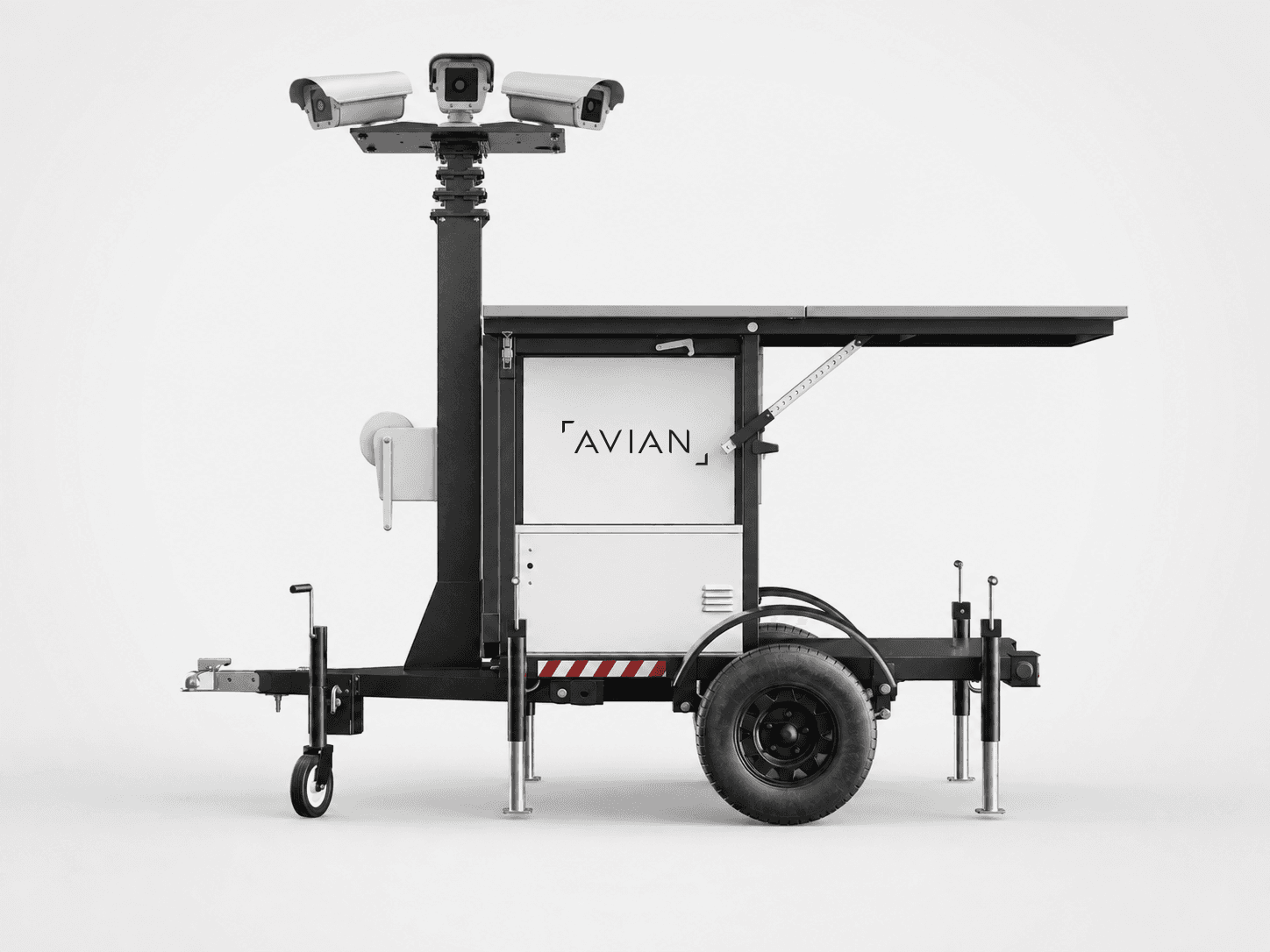
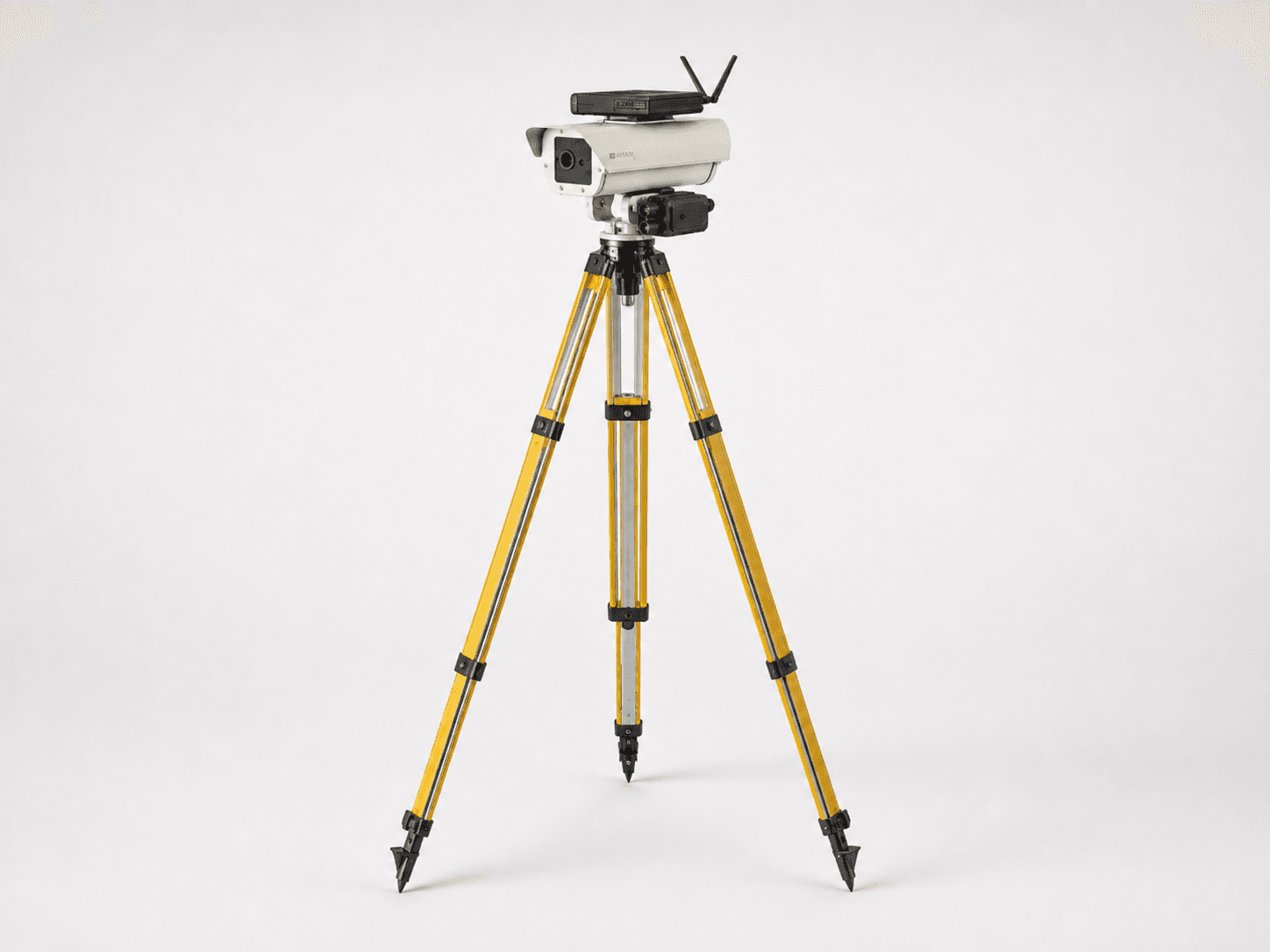
AVIAN handles the coverage plan, camera setup, detection logic, alert routing, and response workflow instead of leaving your team with a custom sensor project.
From the first call to installed coverage, AVIAN is built to get high-risk belts, bunkers, piles, and charging areas protected in 30 days.
A simpler deployment means fewer duplicated devices, fewer tuning handoffs, and less budget tied up before the first alarm reaches an operator.
Proof behind the promise
The same AVIAN platform used for recycling fire prevention is trusted across high-risk mills and industrial sites for continuous monitoring, alerting, and response workflows.


End-to-end stack
AVIAN owns the full system. That matters when operators need a clear alarm, not a pile of integrations to troubleshoot during an event.
AVIAN designs the camera system around industrial monitoring, not a generic camera feed that still needs a separate software project.
The firmware is built from the ground up to detect, package, and send useful alarm context quickly to people in the field.
Coverage planning, alert routing, event history, dashboards, tuning, and support are handled end to end by one team.
Fast path to monitoring
Instead of waiting for a large, multi-sensor fire project to clear the queue, AVIAN lets recycling teams cover the highest risk zones first and expand from there.
We review conveyors, tipping floors, bunkers, piles, storage, and electrical areas to recommend camera placement.
Each camera is placed around a clear coverage target, with alert logic configured for the equipment, material flow, and response path.
Operators receive alarms on phones, tablets, and browser dashboards, with optional integration into PLC, deluge, or shutdown workflows.
Comparison
Real recycling alarms
These examples come from the AVIAN alarm cases library. They show battery and conveyor events where early thermal detection gave operators a chance to stop escalation before a larger facility fire.
Operator was alerted immediately and contained the belt fire risk
View the full alarm caseOperator was alerted fast enough to stop the belt and intervene
View the full alarm caseAVIAN alerted the customer and triggered deluge through PLC integration
View the full alarm caseBuilt for response
AVIAN firmware and cloud software are built around the alarm workflow: package the evidence, route it fast, and give operators a clear path to response.
Operator FAQ
Then AVIAN may be the better fit. You get operator alerts, alarm evidence, and PLC-ready response workflows without committing to a remote-operated suppression system.
No. Existing fire alarms, sprinklers, deluge systems, and suppression equipment stay in place. AVIAN adds an earlier detection and response layer that can alert people or integrate with PLC-controlled actions where the site design calls for it.
Yes. AVIAN alarms can reach operators and supervisors on phones, tablets, browser dashboards, and other escalation paths, depending on how the site wants alerts routed.
Your team owns the default response path. For sites that want an added review layer, AVIAN can provide managed alarm review as an optional service. We define the escalation rules with your team so reviews support the site response instead of slowing it down.
Yes. AVIAN can expose alarm and temperature data for PLC-oriented workflows, including deluge, shutdown, or escalation logic. Your controls team remains in charge of the final control design.
Share your equipment or process area. We’ll map likely failure points, provide a coverage recommendation, and show how early anomalies would be detected at your site.
I can be anywhere in the mill, or even sitting at home and get an alert from AVIAN and I know it’s time to act immediately.
Fire Rover alternative for recycling
AVIAN monitors the risk zones your team already worries about and sends clear alarm context to the people on site, on the devices they already use. From first call to installed and protecting your facility in 30 days.
Alarm routing
Reach the crew already on site
Notify operators, supervisors, and on-call teams.
Open alarm context from the floor or control room.
Expose alarm data for deluge, shutdown, or control logic.
Operators see the alarm, live context, history, and escalation details together. The useful difference is not just one device. It is a system built to get the right evidence to the right person quickly.
When AVIAN fits
If you do not need remote firefighters operating suppression, AVIAN gives your team alarm evidence, phone and tablet alerts, and PLC-ready response paths they can own.
Use AVIAN when your crew needs an early alarm, clear evidence, and a response path they control.
AVIAN sends the alarm package to operators, supervisors, and control workflows so the people closest to the risk can move.
Cover belts, bunkers, piles, tipping floors, electrical rooms, and charging areas first. Expand after the highest-risk areas are monitored.
What the site needs to know
That is usually what matters on the floor: where the camera goes, who gets notified, what they see, and whether the alarm can tie into the response path the site already trusts.
Operators can receive AVIAN alarms on the devices they already use, including iPhone, iPad, browser access, and control-room workflows.
AVIAN handles the coverage plan, camera setup, detection logic, alert routing, and response workflow instead of leaving your team with a custom sensor project.
From the first call to installed coverage, AVIAN is built to get high-risk belts, bunkers, piles, and charging areas protected in 30 days.
A simpler deployment means fewer duplicated devices, fewer tuning handoffs, and less budget tied up before the first alarm reaches an operator.
Proof behind the promise
The same AVIAN platform used for recycling fire prevention is trusted across high-risk mills and industrial sites for continuous monitoring, alerting, and response workflows.


End-to-end stack
AVIAN owns the full system. That matters when operators need a clear alarm, not a pile of integrations to troubleshoot during an event.
AVIAN designs the camera system around industrial monitoring, not a generic camera feed that still needs a separate software project.
The firmware is built from the ground up to detect, package, and send useful alarm context quickly to people in the field.
Coverage planning, alert routing, event history, dashboards, tuning, and support are handled end to end by one team.
Fast path to monitoring
Instead of waiting for a large, multi-sensor fire project to clear the queue, AVIAN lets recycling teams cover the highest risk zones first and expand from there.
We review conveyors, tipping floors, bunkers, piles, storage, and electrical areas to recommend camera placement.
Each camera is placed around a clear coverage target, with alert logic configured for the equipment, material flow, and response path.
Operators receive alarms on phones, tablets, and browser dashboards, with optional integration into PLC, deluge, or shutdown workflows.
Comparison
Real recycling alarms
These examples come from the AVIAN alarm cases library. They show battery and conveyor events where early thermal detection gave operators a chance to stop escalation before a larger facility fire.
Operator was alerted immediately and contained the belt fire risk
View the full alarm caseOperator was alerted fast enough to stop the belt and intervene
View the full alarm caseAVIAN alerted the customer and triggered deluge through PLC integration
View the full alarm caseBuilt for response
AVIAN firmware and cloud software are built around the alarm workflow: package the evidence, route it fast, and give operators a clear path to response.
Operator FAQ
Then AVIAN may be the better fit. You get operator alerts, alarm evidence, and PLC-ready response workflows without committing to a remote-operated suppression system.
No. Existing fire alarms, sprinklers, deluge systems, and suppression equipment stay in place. AVIAN adds an earlier detection and response layer that can alert people or integrate with PLC-controlled actions where the site design calls for it.
Yes. AVIAN alarms can reach operators and supervisors on phones, tablets, browser dashboards, and other escalation paths, depending on how the site wants alerts routed.
Your team owns the default response path. For sites that want an added review layer, AVIAN can provide managed alarm review as an optional service. We define the escalation rules with your team so reviews support the site response instead of slowing it down.
Yes. AVIAN can expose alarm and temperature data for PLC-oriented workflows, including deluge, shutdown, or escalation logic. Your controls team remains in charge of the final control design.
Share your equipment or process area. We’ll map likely failure points, provide a coverage recommendation, and show how early anomalies would be detected at your site.
I can be anywhere in the mill, or even sitting at home and get an alert from AVIAN and I know it’s time to act immediately.