Back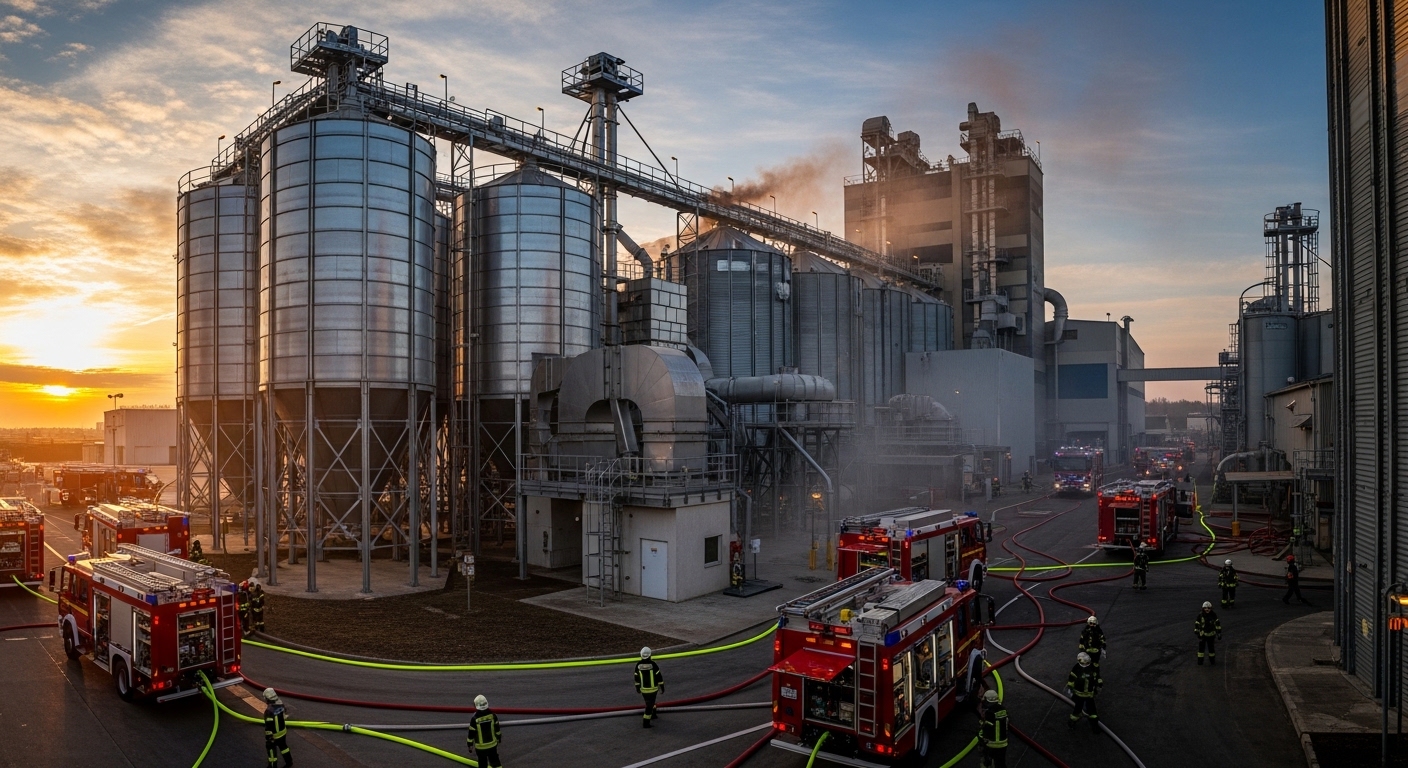
2026-04-07/Drew Hanover
Silos, Cyclones, and the Fire Nobody Saw Coming
Three days ago, Weyerhaeuser's MDF plant in Columbia Falls, Montana was shaken by another explosion. It happened at 6:40 a.m. on April 4, 2026. Heavy smoke poured from the west side of the building. Five fire departments responded. They cleared the scene at 2:46 p.m.
Nobody was hurt. They got lucky again.
It was the second major explosion at that same plant in just over a year. In February 2025, an electrical arc in the power distribution center sent a fireball 200 feet into the air, blew out walls, and tore garage doors off their hinges. The surge was so large that Flathead Electric Co-op noticed it on the grid. That incident kept fire crews on scene until 4 p.m.
Between those two headline events, a seized oil pump also caught fire at the same facility in April 2025.
Three incidents in fourteen months at one plant.
Columbia Falls is not an outlier. It is a pattern.
What MDF Plants and Dust Systems Actually Do
Medium-density fiberboard is made from wood fiber ground to dust. Sawdust, fine shavings, and particulate are collected, transported, dried, and compressed under heat and adhesive into panels. Every step of that process generates combustible dust in large volumes.
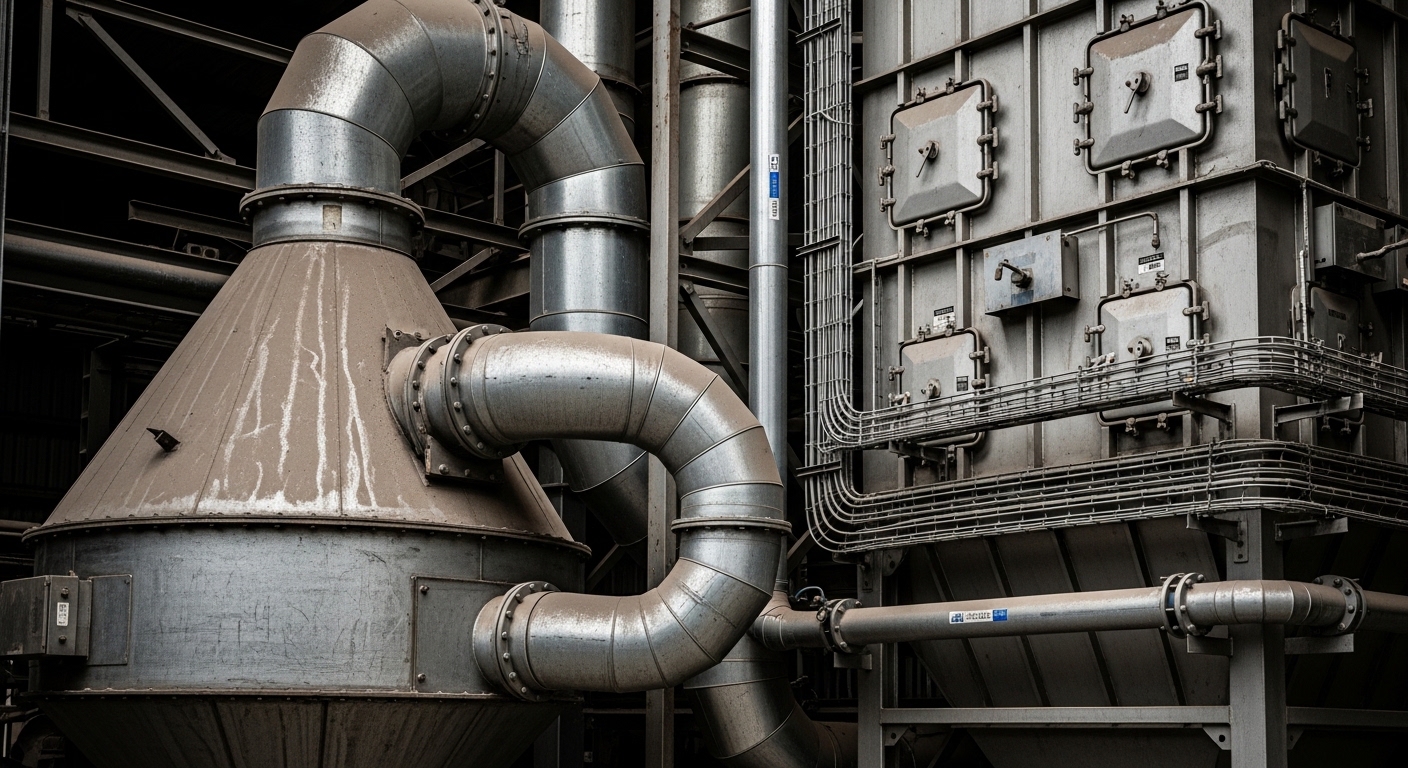
The infrastructure that moves that dust is a system of ducts, cyclones, bag houses, blowers, and silos. Each element plays a role:
- Cyclone separators use centrifugal force to spin heavy particles out of the airstream before they reach the filter
- Bag houses (also called fabric filter collectors) capture fine dust that cyclones miss
- Silos store the separated material for disposal or reuse
- Auxiliary blowers maintain airflow through the entire system
These systems run continuously. They process enormous volumes of dry, combustible material every hour. And they depend on a chain of components to prevent any spark, ember, or heat source from reaching the accumulated dust.
When that chain breaks, the result can be catastrophic.
Spark Arrestors: The Last Line of Defense That Fails
Spark arrestors sit upstream of cyclones, bag houses, and silos. Their job is to intercept sparks and embers traveling through ductwork before they reach accumulated dust.
They work until they don't.
Arrestors become ineffective when they are worn, clogged, or bypassed. Perforated plate designs accumulate material over time and reduce their ability to intercept sparks. A separator that hasn't been serviced on schedule is not a safety device. It is a false sense of security with a sheet metal exterior.
The consequences follow a predictable sequence:
- A spark or ember is generated upstream (from a saw, grinder, dryer, or friction point)
- The arrestor fails to stop it
- The ember enters the cyclone or bag house carrying combustible dust
- Ignition occurs inside the collector
- Pressure builds. The explosion vents. It propagates into connected silos.
OSHA's investigation into a New Hampshire wood pellet plant explosion found exactly this chain. Sparks from a hammer mill traveled through unprotected ductwork into the bag house. The explosion vented directly into adjacent storage silos. The silos went up too.
We have seen versions of this at customer facilities. Caught one in the duct system, 50 meters from a camera, at 75 degrees Celsius before it reached the bag house.
The 45-minute gap between "it's under control" and "call mutual aid" is shorter than most people think.
What Infrared Cannot Do (And What It Actually Can)
We need to be honest about a limitation. Infrared cameras cannot see through steel walls. A cyclone separator, a silo, a bag house housing: the thermal camera sees the outside. It does not see the burning material inside.
That boundary matters and it's important not to oversell what thermal imaging does.
But here is what infrared monitoring does extraordinarily well in these environments.
It watches the equipment that keeps the system from failing.
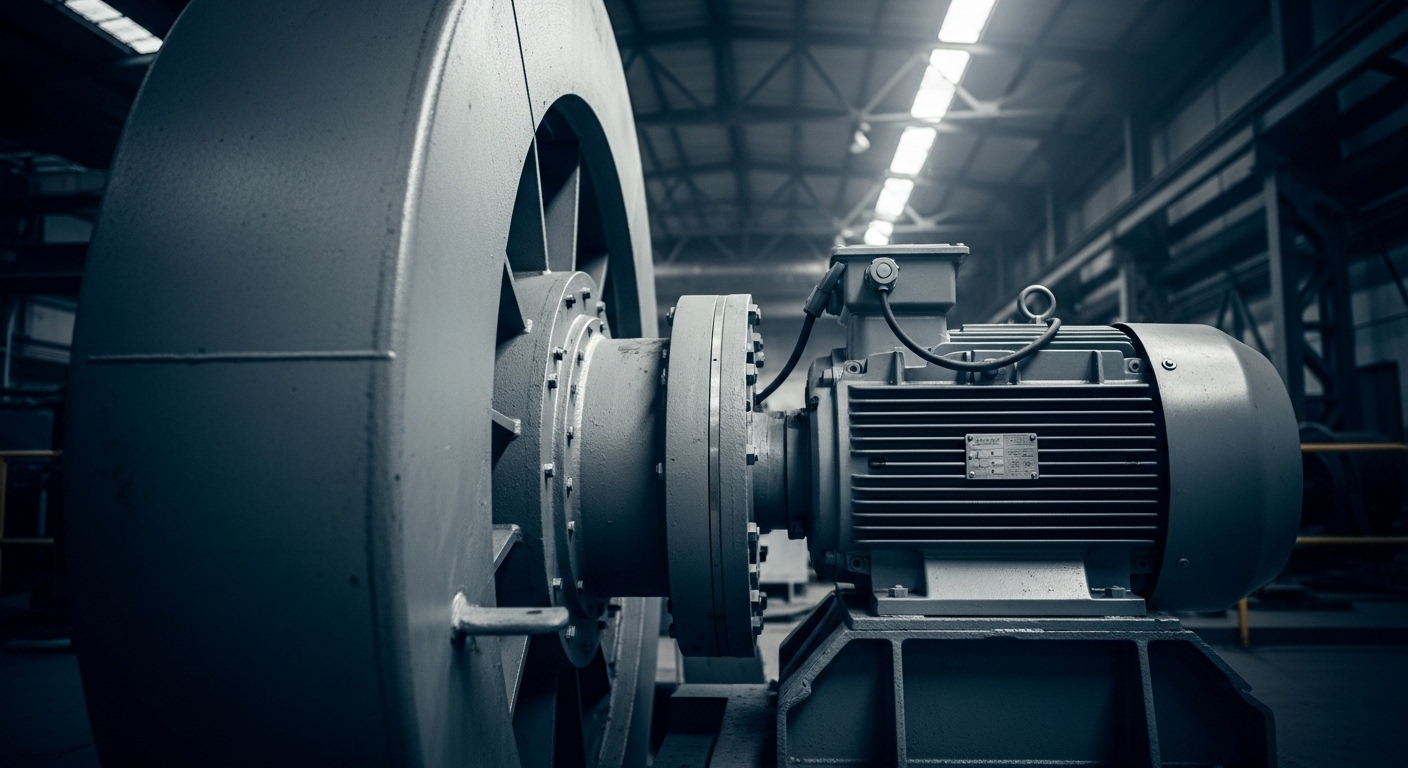
Every cyclone and bag house is served by an auxiliary blower. That blower maintains the negative pressure that keeps material moving through the ductwork. If the blower starts failing, flow drops, material accumulates in ducts and transitional zones, and the risk profile changes dramatically.
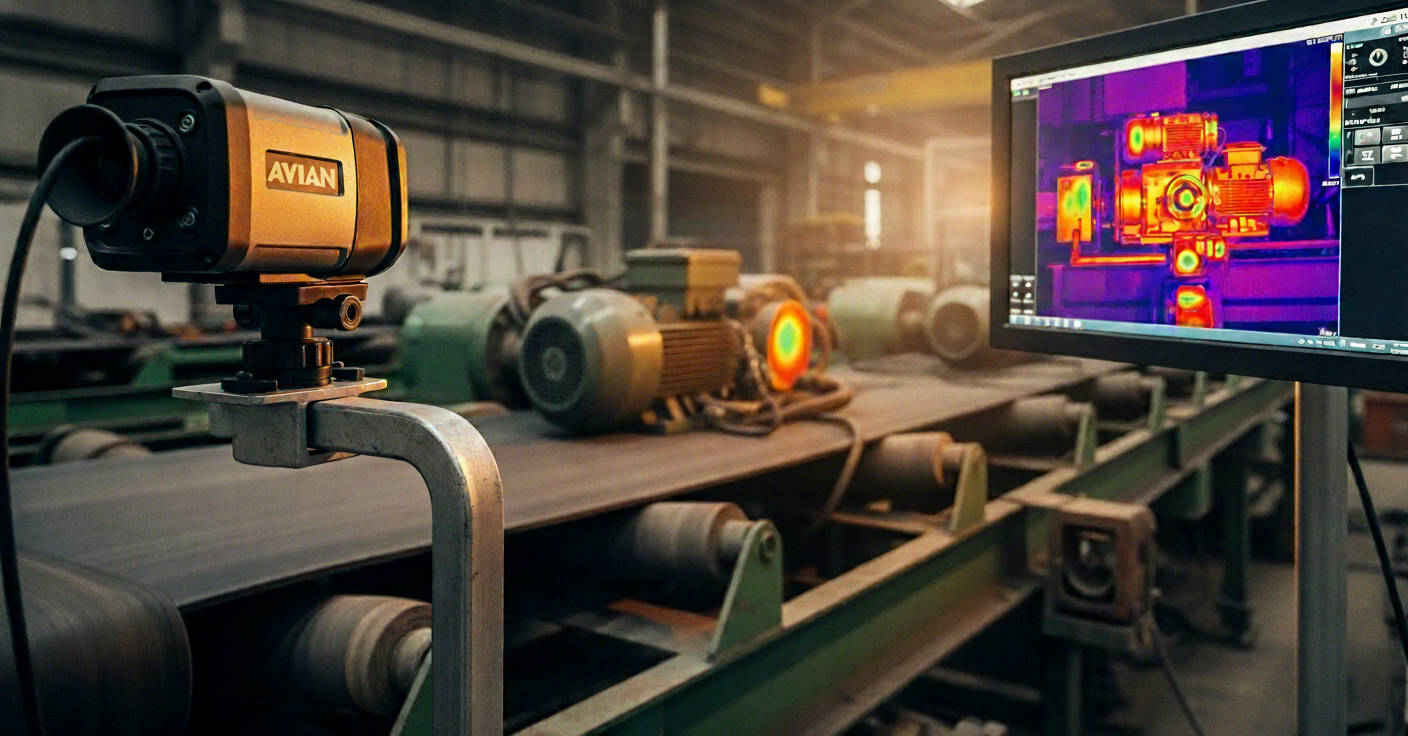
A failing blower bearing does not announce itself. It generates heat. That heat is measurable from outside the housing, continuously, without any human having to be near the equipment. A thermal camera watching the blower motor and bearing housing will see the temperature climb before any vibration sensor triggers or any audible sign appears.
We have caught bearing failures in the first week of installation. A new camera goes up, and within days the system flags a drive or motor running hotter than its baseline. The customer investigates. The bearing is failing. They schedule a replacement rather than a disaster.
What You Can Monitor with Thermal Cameras Around Dust Systems
Even without seeing inside a vessel, the surrounding infrastructure tells a clear thermal story:
Blower and fan motors: Bearing degradation shows as localized heat on the housing. A motor running outside its normal thermal range is a maintenance signal before it becomes a failure.
Belt drives and couplings: Slipping belts, misaligned couplings, and seized components all radiate heat. Visible from distance without contact or shutdown.
Ductwork skin temperatures: Hot material accumulating inside a duct section will show as an elevated surface temperature on the metal exterior. Not always, but when the thermal mass is sufficient, you see it.
Silo exterior surfaces: A smoldering event inside a silo can warm the outer walls before any smoke appears. This is not guaranteed detection, but it is an additional data point running continuously at no added cost once the system is deployed.
Rotary airlocks and screw conveyors: These components are critical isolation points. When they seize or begin to fail, they generate friction heat. That is catchable.
Control panels and electrical distribution: The April 2025 Weyerhaeuser incident was electrical. Hot spots in electrical panels are among the most consistent and reliable detections thermal cameras make. A failing conductor or loose termination shows up clearly.
The common thread: all of these failures generate heat before they generate fire. That window is where prevention lives.
The Pattern at Facilities Like Columbia Falls
The Weyerhaeuser plant in Columbia Falls processes fine wood fiber continuously. It is a large electrical user. It has an extensive suppression system. It has, by all accounts, a serious approach to fire safety.
It has still had three incidents in fourteen months.
That is not a failure of intention. It is a reflection of how many ignition pathways exist in a facility that processes combustible dust at industrial scale. The February 2025 explosion was electrical. The April 2025 fire was a seized oil pump bearing. The April 2026 explosion is still under investigation.
Different causes. Same outcome: fire departments from five or six agencies, hours on scene, smoke across the valley, and workers who went home that day because nobody was standing in the wrong place at the wrong moment.
The facilities that shift that risk profile are the ones that watch continuously and catch the heat before it becomes a fire.
The Argument for Always-On Thermal Monitoring
Scheduled inspections don't catch what happens at 6:40 a.m. on a Saturday.
A blower bearing that starts failing at 11 p.m. on a Friday won't announce itself to the maintenance team on Monday morning. It will shed material, generate heat, and create conditions that either trigger a failure outright or degrade the system in ways that increase the probability of something else going wrong.
Thermal monitoring running around the clock sees that bearing condition. It sends an alert. Someone makes a call. The bearing gets replaced on a schedule rather than responding to a fire that started because of it.
That is the shift: from reactive to predictive. From investigating the cause after the explosion to catching the failing component before it contributes to one.
The wood products industry has a fire problem. Silos, cyclones, bag houses, and the systems that serve them are high-risk environments with known failure modes. Most of those failure modes generate heat first.
The question is whether you are watching for it.
If you operate a facility with dust collection, bag houses, or silo storage and want to understand what continuous thermal monitoring would look like in your specific environment, reach out to our team. We will walk through the system together.
Drew Hanover
CTO & Co-Founder